
Canada Prepares Contingency Plans Amid U.S. Diesel Export Ban Debate
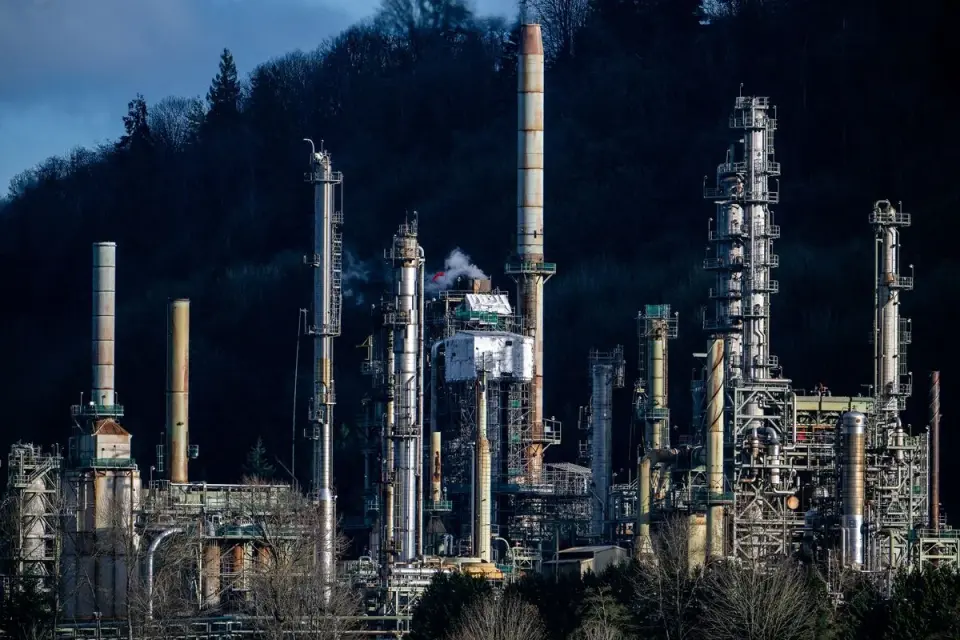
Canada has developed backup plans in case the U.S. implements a diesel export ban, according to Bloomberg. This contingency strategy comes as President Trump seriously considers restricting U.S. diesel exports to lower domestic prices ahead of November midterms, despite warnings from industry and allies that such a move could exacerbate global supply shortages.
Key points
- Canada has formulated backup plans to mitigate the impact of a potential U.S. diesel export ban, as reported by Bloomberg.
- President Trump is seriously considering a U.S. diesel export ban or restriction to address record-high domestic diesel prices, which reached $6.53 per gallon on September 22, 2026.
- The U.S. Energy Secretary, Chris Wright, has indicated the White House is weighing restrictions rather than an outright ban, while Politico reported a potential 90-day ban plan.
- The White House is exploring alternative measures, such as asking European governments to release diesel from strategic reserves, to avoid a full export ban, according to Politico.
- Morgan Stanley analysts warn that a U.S. export restriction could initially lower U.S. diesel prices but lead to adverse downstream effects, including higher global prices and feedback loops affecting U.S. gasoline prices.
Background
This development follows a series of reports in late September 2026 regarding Trump's shifting stance on diesel exports. On September 22, Trump signaled support for blocking exports to keep supply domestic, a stance echoed by some GOP allies but opposed by industry groups. By September 24, major U.S. business groups and the European Union warned against a 90-day ban, arguing it would raise fuel prices. On September 28, Trump was reported to be seriously considering the ban as U.S. diesel prices hit record highs, driven by global supply disruptions from conflicts in Ukraine and the Middle East. The current news adds the dimension of Canada's preparedness for such a scenario.
How outlets are covering it
Bloomberg highlights Canada's proactive stance in preparing backup plans, suggesting a direct impact on Canadian energy markets. CNBC emphasizes the political pressure on Trump from soaring fuel prices ahead of midterms and the industry pushback against a ban, noting that the U.S. is a major supplier of marginal diesel supply. Morgan Stanley analysts, cited by CNBC, warn that a U.S. restriction could backfire by raising global prices and affecting U.S. gasoline prices. Politico focuses on the internal White House and industry efforts to find less disruptive alternatives, such as European reserve releases, to avoid a full ban. Argus Media's Benedict George, cited by CNBC, notes that a U.S. restriction could send European diesel prices to unprecedented levels, as the U.S. has supplied about half of Europe's diesel imports recently. The American Petroleum Institute (API) CEO, Mike Sommers, opposes the ban, arguing it would compound refining challenges and hurt consumers.
Why it matters
The potential U.S. diesel export ban or restriction has significant implications for global energy markets, particularly for Canada and Europe, which rely on U.S. diesel supplies. It could exacerbate the global fuel crisis, raise prices worldwide, and impact U.S. gasoline prices through refinery adjustments. The decision also has political ramifications for Trump ahead of the November midterms, as high fuel prices affect voters, particularly in agricultural states. Canada's backup plans indicate the severity of the potential disruption and the need for contingency measures in energy supply chains.
What to watch
The next steps will likely involve a decision by the Trump administration on whether to implement a diesel export ban or restriction, or to pursue alternative measures such as European reserve releases. Canada's backup plans will be monitored for activation if the U.S. proceeds with a ban. The impact on global diesel prices and U.S. gasoline prices will be closely watched, as well as the political fallout from the decision ahead of the November midterms. The resolution of conflicts in Ukraine and the Middle East, which are driving supply disruptions, will also influence the duration and severity of the diesel supply crunch.
- Canada Has ‘Backup Plans’ in Case Trump Bans Diesel Exports Bloomberg.com
- These Republicans Have Called on Trump to Ban Diesel Exports The New York Times
- White House weighs red-dyed diesel tax relief to lower fuel prices Reuters
- Trump ‘very seriously’ considering diesel export ban as global supply crunch worsens CNBC
- White House looking to Europe to release diesel from strategic reserves politico.com
Want the full story? Read the original reporting
Read on Bloomberg.com