
Diesel Futures Spike 5% as Market Rejects Trump's Russian Fuel Deal
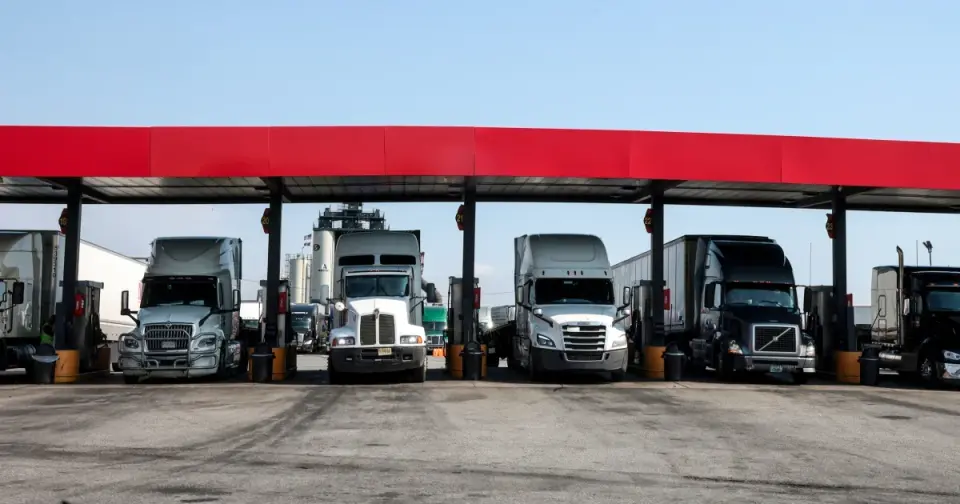
US diesel futures jumped 5% on Tuesday, signaling continued price hikes despite President Trump's recent efforts to lower costs. The market has rejected the administration's deal with Russia to release sanctioned diesel reserves, with analysts noting the supply boost is negligible compared to US demand. While diesel prices have risen 70% since the US-Israel conflict with Iran began in February, the administration's attempts to ease costs through G7 reserve releases and tax waivers have failed to provide lasting relief. With midterm elections approaching in November, high fuel costs are intensifying political pressure, yet experts warn that geopolitical conflicts in the Middle East and Ukraine will keep prices elevated for months.
Key points
- US diesel futures rose 5% on Tuesday, reaching their highest level in weeks, while European diesel futures increased by 3.8%.
- The average nationwide diesel price has increased by 70% since the US and Israel attacked Iran on February 28, 2026.
- Analysts estimate that the Russian diesel deal announced by Trump amounts to less than two weeks of US demand, failing to offset supply shortages.
- The administration suspended sanctions on Russian energy purchases until April to facilitate the deal, a move that drew widespread backlash domestically and internationally.
- Trump’s executive order allowing tax-exempt 'red-dye' diesel on public roads has not yet impacted domestic prices, and industry groups warn of potential fines for misuse.
- Gasoline prices have risen by more than 45% since February, with the national average reaching $4.36 per gallon as of October 11.
Background
This development follows a series of failed attempts by the Trump administration to lower fuel costs ahead of the November 3 midterm elections. Previous measures included pressuring G7 allies to release 100 million barrels of oil reserves and an executive order allowing tax-exempt diesel on highways. Despite these moves, diesel prices remained near record highs at $6.28 per gallon in early October. The current spike in futures markets indicates that these administrative levers are insufficient to counteract the structural supply constraints caused by ongoing geopolitical conflicts.
How outlets are covering it
NBC News emphasizes the market's rejection of the Russian deal, citing analyst Tom Kloza's description of 'absolutely stunning' price spikes and noting that the deal's supply is negligible. Business Insider highlights the broader geopolitical instability, pointing to recent attacks on Saudi infrastructure and the Strait of Hormuz as reasons why prices will not drop before the midterms. BBC focuses on the political implications, noting that Trump's approval rating has fallen to 32% due to economic concerns, and that his policies have failed to provide meaningful relief. While all sources agree that prices remain high, NBC and BBC focus on the failure of specific policy levers, whereas Business Insider stresses the external geopolitical factors that limit the administration's control.
Why it matters
The inability to lower fuel prices threatens to impact the November midterm elections, as high costs are squeezing household budgets and increasing inflation. The failure of the Russian diesel deal and other administrative measures suggests that without a resolution to the conflicts in the Middle East and Ukraine, Americans will continue to face elevated energy costs for the foreseeable future, potentially affecting political outcomes and economic stability.
What to watch
Traders will monitor whether diesel futures continue to rise, which could push retail prices above the current record of $6.53 per gallon. The administration may face further backlash over the suspension of Russian sanctions, while analysts expect prices to remain elevated for at least four to six months due to damage to Middle Eastern facilities. The outcome of the midterm elections may be influenced by voter dissatisfaction with the administration's inability to control fuel costs.
- Diesel futures jump, signaling higher prices to come despite Trump’s Russia deal NBC News
- Trump's quest to bring down gas prices ahead of the midterms is not going great Business Insider
- Trump wants to reduce the cost of fuel as the midterms loom - will it work? BBC
- The diesel crisis is testing the limits of globalisation Financial Times
- Brace Yourself For The Midterms, I'm Raising Cash (SP500) Seeking Alpha
Want the full story? Read the original reporting
Read on NBC News