
Diesie Export Ban Debate: Domestic Relief vs. Global Supply Risks
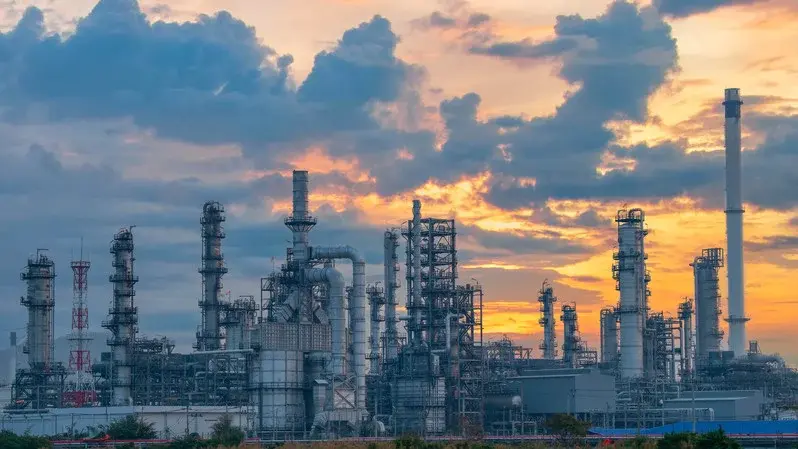
President Donald Trump is considering a ban on U.S. diesel exports to lower domestic prices, but analysts warn it could reduce refinery output and raise gasoline costs. While the move aims to help farmers, it risks increasing global fuel prices and feeding back into U.S. food costs. The White House has not finalized a decision, with Energy Secretary Chris Wright suggesting restrictions rather than a total ban.
Key points
- U.S. diesel exports average 1.5 million barrels per day in 2026, with Mexico as the largest destination.
- S&P Global CERA estimates a ban could force U.S. refiners to cut crude processing by 1.9 million barrels per day (12% of throughput).
- Goldman Sachs warns a ban could add 30 cents per gallon to U.S. gasoline prices due to reduced refinery runs.
- The EU is mobilizing to prevent an energy crunch, with the European Commission urging member states to cut gas and electricity consumption.
- Farm-state Republicans support the ban to lower input costs, while refiners oppose it due to lost export markets and potential margin compression.
Background
U.S. diesel prices hit a record $6.53 per gallon in late September 2026, driven by global supply disruptions from conflicts in Ukraine and the Middle East. The spike has prompted farm-state lawmakers to push for export restrictions, while industry groups warn of backfiring effects. Prior coverage noted that diesel prices are roughly 74% higher than last year, threatening inflation across trucking, farming, and everyday goods.
How outlets are covering it
OilPrice.com emphasizes the trade-offs of a ban, noting that while it could lower domestic diesel prices, it would reduce refinery output and raise gasoline and jet fuel costs. Goldman Sachs (via Yahoo Finance) warns that a ban could add 30 cents per gallon to U.S. gasoline prices. The Washington Post highlights European fears of an energy crunch, with the EU Commission urging member states to cut consumption. Farm-state Republicans support the ban to help farmers, while refiners oppose it due to lost export markets and potential margin compression.
Why it matters
A diesel export ban could provide short-term relief for U.S. farmers and truckers but risks raising global fuel prices, increasing U.S. food costs, and tightening domestic gasoline and jet fuel supplies. The decision could also strain U.S.-EU relations and affect global energy markets, with the EU already mobilizing to prevent an energy crunch.
What to watch
The White House is expected to finalize a decision on diesel export restrictions in the coming weeks, with Energy Secretary Chris Wright suggesting restrictions rather than a total ban. The EU is likely to continue urging member states to cut energy consumption, and U.S. refiners may adjust production levels in response to potential export limits.
- The Hidden Tradeoffs of a U.S. Diesel Export Ban Crude Oil Prices Today | OilPrice.com
- These Republicans Have Called on Trump to Ban U.S. Diesel Exports The New York Times
- Trump's diesel export ban could cut diesel prices at first — then add 30 cents per gallon to gas, Goldman Sachs warns Yahoo Finance
- White House weighs red-dyed diesel tax relief to lower fuel prices Reuters
- Trump’s proposed diesel export ban spurs fear of energy crunch in Europe The Washington Post
Want the full story? Read the original reporting
Read on Crude Oil Prices Today | OilPrice.com