
G7 Agrees to Release 100 Million Barrels of Diesel After Trump Threatens Export Ban
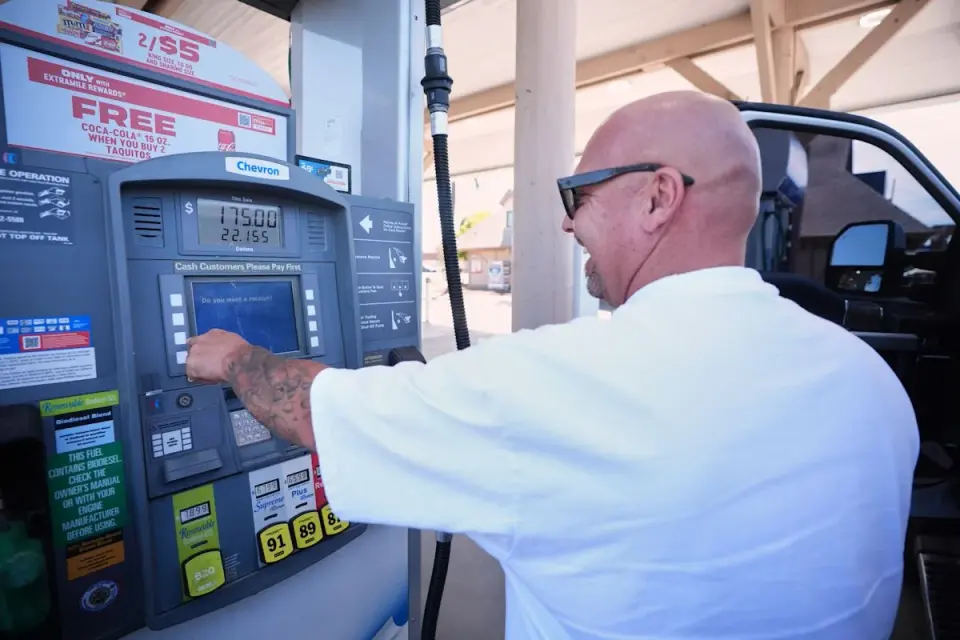
G7 nations agreed to release 100 million barrels of diesel and crude oil from strategic reserves over four months, ending a standoff with the U.S. administration. The decision followed intense pressure from Washington, which threatened to ban diesel exports to lower domestic prices. European leaders privately criticized the move as 'blackmail,' but ultimately conceded to avoid a U.S. export ban that could have disrupted global supply chains. Diesel prices had reached record highs due to conflicts in the Middle East and Ukraine, prompting the U.S. to seek immediate relief for domestic consumers ahead of midterm elections.
Key points
- G7 countries announced the release of 100 million barrels of diesel and crude oil from strategic reserves over the next four months.
- The U.S. administration threatened to ban diesel exports if European nations did not release their stockpiles, a move European diplomats privately called 'blackmail.'
- U.S. Energy Secretary Chris Wright and Treasury Secretary Scott Bessent opposed the export ban, arguing it would raise prices, but Trump maintained the threat to pressure allies.
- European leaders, including French President Emmanuel Macron, insisted the negotiations were 'constructive' and not coercive, while some EU officials viewed the release as a reaffirmation of a previous March commitment.
- The U.S. bypassed the International Energy Agency, pressing European governments bilaterally and through oil industry executives to force a rapid release of fuel.
Background
This development follows weeks of escalating tensions over diesel prices, which hit a record $6.53 per gallon in the U.S. in late September 2026. The price spike was driven by supply disruptions from the U.S.-Iran conflict and the Russia-Ukraine war, which damaged refineries in the Middle East and Europe. In late September, Trump signaled support for a 90-day export ban to lower domestic prices, a stance that drew warnings from business groups and the EU that such a move would backfire by raising global costs. The current agreement resolves the immediate standoff but leaves questions about the long-term impact on global fuel markets and U.S.-European relations.
How outlets are covering it
The U.S. administration, including White House spokesperson Taylor Rogers, framed the release as a successful negotiation that serves American interests by increasing supply and lowering prices. Kevin Hassett, director of the National Economic Council, argued that Europe had 'room' to help the global economy. In contrast, European officials and diplomats described the U.S. tactics as 'blackmail' and 'messy,' criticizing the bypassing of the International Energy Agency and the use of bilateral pressure. French President Emmanuel Macron publicly defended the negotiations as 'constructive,' while some EU diplomats privately called the release 'fake,' arguing it merely reaffirmed a previous March commitment that had not fully materialized. ClearView Energy Partners noted ambiguity in the G7 statement, suggesting some of the 100 million barrels might reflect previously pledged but undelivered volumes.
Why it matters
The resolution of the diesel standoff prevents a potential U.S. export ban that could have disrupted global fuel supply chains and raised prices in Europe and Latin America. The release of 100 million barrels aims to stabilize markets and lower domestic U.S. prices ahead of the November midterm elections. However, the episode highlights growing tensions between the U.S. and its European allies over energy policy and the use of economic leverage in diplomatic negotiations. The outcome also raises questions about the effectiveness of strategic reserve releases in addressing structural supply issues caused by geopolitical conflicts.
What to watch
The G7 will monitor the implementation of the 100 million barrel release over the next four months, with the U.S. expecting partners to act quickly if additional diesel is needed. Market analysts will watch for price movements in diesel and crude oil to assess the impact of the release. European governments may continue to push for coordinated action through the International Energy Agency in the future, while the U.S. administration will likely maintain its stance on energy policy to protect domestic consumers. The outcome of the November midterm elections could also influence future U.S. energy decisions, as high fuel prices remain a key issue for voters.
- Trump rules out diesel export ban after Europe agrees to tap stockpiles Yahoo
- ‘Blackmail’: Europe fumes against White House demand for more diesel Politico
- Europe to release ‘massive amount of diesel’ after Trump’s supply threat The Independent
- G7 nations will release 100 million barrels of oil and diesel fuel after prices soar AP News
- G7 to release 100 million barrels of diesel and other reserves through IEA Reuters
Want the full story? Read the original reporting
Read on Yahoo