
Global and domestic stakeholders warn Trump against diesel export ban as prices spike
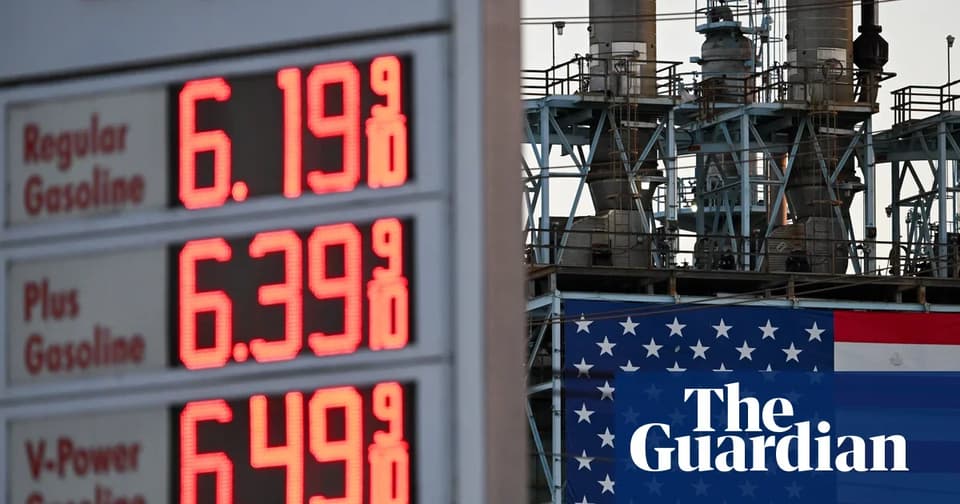
The Trump administration is weighing a 90-day ban on US diesel exports to lower domestic prices ahead of midterm elections, but the move faces strong opposition from the EU, US business groups, and administration officials who warn it would backfire by raising costs and disrupting global supply chains.
Key points
- US diesel prices hit a record $6.52 per gallon, driving political pressure from farm-state Republicans to act before the midterms.
- The EU warned that a US export ban would 'negatively impact both sides,' as the US supplied about half of Europe's diesel imports by August.
- Major US business groups, including the Chamber of Commerce and American Petroleum Institute, warned in a joint letter that a ban would raise fuel prices, not lower them.
- Energy Secretary Chris Wright and other administration officials opposed a full ban, calling it a 'blunt tool' that could harm US refining and gasoline prices.
- The White House is reportedly examining a 90-day ban, but officials say the decision is still being weighed, with some suggesting a voluntary approach instead.
Background
Diesel prices have surged due to conflicts in the Middle East and Ukraine, which have damaged refineries and constrained exports. The US is the world's largest diesel exporter, and its exports have become critical for Europe, which has seen record-high fuel prices in Germany, the Netherlands, and the UK. The debate over an export ban has intensified in the lead-up to the US midterm elections, with political and economic stakes high for both domestic and global markets.
How outlets are covering it
The EU and US business groups argue that a ban would worsen global supply shortages and raise prices, while Trump and some Republican lawmakers see it as a necessary short-term measure to ease domestic costs. Administration officials, including Energy Secretary Chris Wright, warn that a ban could backfire by reducing refining output and increasing gasoline and jet fuel prices. The debate highlights a tension between political pressure and economic pragmatism, with some officials suggesting a voluntary approach instead of a full ban.
Why it matters
A US diesel export ban could have significant global implications, affecting fuel prices in Europe and other regions that rely on US supplies. It could also impact US refining capacity and energy markets, with potential long-term consequences for investment and infrastructure development. The decision will be closely watched as a test of the administration's approach to energy policy and its ability to balance domestic and international interests.
What to watch
The White House is expected to make a decision on the diesel export ban in the coming days, with some officials suggesting a voluntary approach instead of a full ban. The EU and US business groups are likely to continue lobbying against the ban, while political pressure from farm-state Republicans may push for a more decisive action. The outcome will depend on the administration's assessment of the economic and political risks, as well as the feasibility of a full or partial ban.
- EU says Trump plan to ban US diesel exports would ‘negatively impact both sides’ The Guardian
- Big business warns Trump against diesel export ban in joint letter cnbc.com
- ‘Dammit, something has to happen’: White House preparing plan for 90-day diesel exports ban politico.com
- ‘Makes very little economic sense’: Ex-Trump energy secretary warns Trump against diesel export ban CNN
- A Trump-Backed US Diesel Export Ban Would Cut Prices, at Least Initially Bloomberg.com
Want the full story? Read the original reporting
Read on The Guardian