
Qatar's 2054 U.S. LNG Deal Highlights Post-Iran War Energy Shift
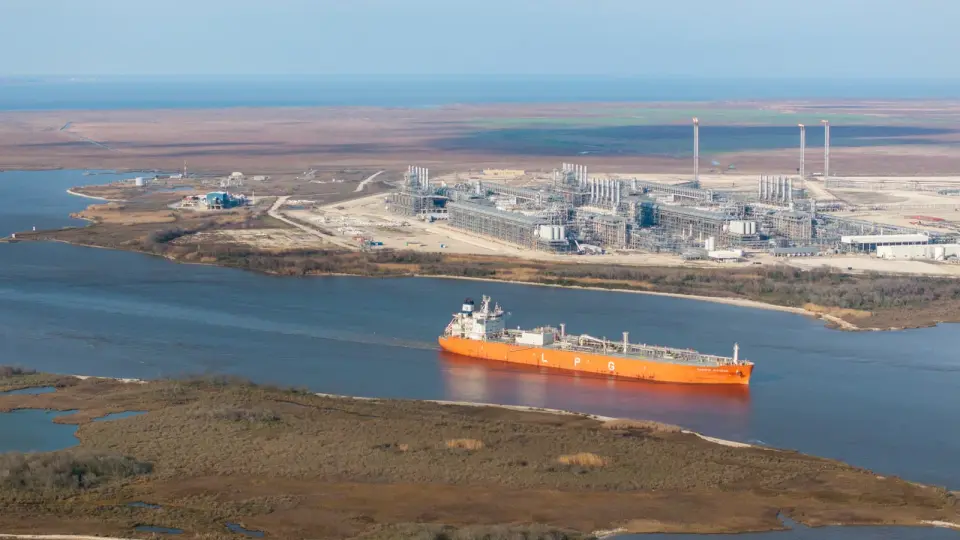
QatarEnergy signed a 30-year deal with Cheniere Energy to buy 4 million metric tons of LNG annually through 2054, reflecting the collapse of its own exports after Iran damaged its Ras Laffan facility in March 2026. The agreement, priced off the U.S. Henry Hub index, signals that Doha expects continued restrictions on the Strait of Hormuz. While the volume is less than 1% of global trade, it cements U.S. dominance in the LNG market and boosts confidence in American exporters like Cheniere and Venture Global, whose shares have risen significantly since the conflict began.
Key points
- QatarEnergy and Cheniere Energy agreed to a long-term contract for 4 million metric tons of LNG per year, with deliveries starting in the 2030s and extending through 2054.
- The deal is priced based on the U.S. Henry Hub price plus a fixed fee, marking a strategic shift for Qatar, which was previously the world's second-largest LNG exporter.
- Iran's March 2026 attack on the Ras Laffan facility destroyed 17% of Qatar's export capacity, and repairs are expected to take three years, forcing Doha to seek alternative supply routes.
- Qatar's energy minister stated that freedom of navigation through the Strait of Hormuz remains uncertain, making seaborne LNG exports from its own facilities nearly impossible for the near term.
- Venture Global is in advanced talks to supply 3 million metric tons annually to QatarEnergy, a move that could further solidify U.S. market share and support expansion plans for CP2.
Background
The closure of the Strait of Hormuz in February 2026 triggered severe energy crises, including record heating oil prices in the U.S. Northeast and depleted gas reserves in Europe. While political polls suggest voters remain unconvinced by potential policy victories regarding the war, the energy sector is reacting to immediate supply shocks. This latest deal follows a period of high volatility and economic strain across the Eurozone and the U.S. Northeast, where infrastructure opposition is being reconsidered due to rising costs.
How outlets are covering it
CNBC emphasizes the geopolitical significance of the deal, framing it as a permanent shift in global energy markets that benefits U.S. exporters and signals that Qatar views Hormuz as permanently compromised. TIKR focuses on the financial implications for Venture Global, noting that while the stock is trading at a discount to its historical average, the potential for a major long-term customer could justify the valuation. Both sources agree that the U.S. is becoming disproportionately large in the global LNG market, but CNBC highlights the 'force majeure' declarations by Qatar, while TIKR notes that Venture Global has already contracted 91% of its 2026 cargos, making the new deal a long-term visibility play rather than an immediate revenue boost.
Why it matters
The deal illustrates how the Iran war has fundamentally altered the global energy landscape, turning a former major exporter into a buyer of its former competitor's product. It validates the expansion of U.S. LNG capacity and suggests that geopolitical instability in the Middle East will continue to drive long-term supply contracts away from the region and toward North America, potentially influencing energy prices and infrastructure investment for decades.
What to watch
Investors will watch for the formalization of the Venture Global talks and the impact on Cheniere's stock price, which has a UBS target of $340. QatarEnergy may secure additional U.S. LNG via a $3 billion loan from Chinese banks to honor existing international commitments. The next major test for Venture Global will be its third-quarter report, which will reveal the financial impact of its ongoing expansion and any new long-term contracts.
- Qatar deal to buy U.S. natural gas shows how Iran war has redrawn global energy markets CNBC
- Top LNG exporter QatarEnergy in talks to buy US LNG from Woodside's Louisiana plant Reuters
- Qatar Agrees to Buy US LNG to 2054 as War Disrupts Own Supply Bloomberg.com
- Cheniere Energy signs huge LNG deal with Qatar after country faces damage during Iran war The Business Journals
- Venture Global Soars 6% on Reported QatarEnergy Talks for Long-Term LNG Supply Deal TIKR.com
Want the full story? Read the original reporting
Read on CNBC