Tag

Energy Security

All articles tagged with #energy security

Rubio’s India visit signals a reset in US-India ties ahead of Quad talks
world3 days ago

Rubio’s India visit signals a reset in US-India ties ahead of Quad talks

U.S. Secretary of State Marco Rubio visits India for three days (Kolkata, Agra, Jaipur, Delhi) to discuss energy security, trade and defense with Indian officials ahead of the Quad foreign ministers meeting, seen as an effort to repair tense Modi-Trump-era ties and reaffirm Indo-Pacific commitments; the backdrop includes the DOJ dropping charges against Adani and a 30-day extension of a Russian oil waiver, moves viewed as boosting India relations amid ongoing energy and regional tensions (including India-Pakistan dynamics).

IEA Warns of Looming Oil Crunch as Iran Crisis Tightens Global Supplies
business4 days ago

IEA Warns of Looming Oil Crunch as Iran Crisis Tightens Global Supplies

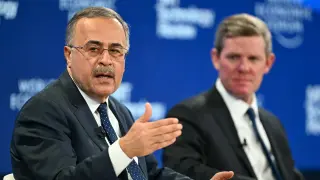
The IEA’s Fatih Birol warned oil stocks are declining and no fresh exports are coming from the Middle East, with markets potentially entering a red zone by July–August unless supply improves; he emphasized the critical role of a full reopening of the Strait of Hormuz, and said the IEA is ready to release more strategic reserves to stabilize prices, while geopolitics and inflation are reshaping energy strategy toward diversifying sources such as renewables and nuclear.

IEA Warns Oil Markets Could Enter a Red Zone This Summer
business5 days ago

IEA Warns Oil Markets Could Enter a Red Zone This Summer

IEA chief Fatih Birol warned that with global stocks shrinking and summer demand rising amid the Iran war, oil markets could enter a 'red zone' by July or August unless the Strait of Hormuz reopens and Middle East supply returns; the IEA has already coordinated a record 400 million-barrel reserve release and stands ready to act further, with the biggest impacts expected in developing Asia and Africa as prices climb.

Ukraine Drones Shut Moscow and Ryazan Refineries
world5 days ago

Ukraine Drones Shut Moscow and Ryazan Refineries

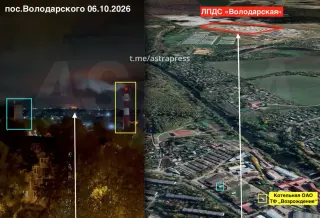
Ukrainian drone strikes forced Moscow’s Gazpromneft oil refinery to halt processing after May 17 and shut down Ryazan’s major refinery after May 15, with officials saying operations were suspended to mitigate risks and could take days to restart. The attacks targeted Russia’s energy and military-linked facilities, and other oil infrastructure nearby was affected; injuries were reported in Moscow and the broader campaign underscores the impact of drone strikes on Russia’s fuel supply network.

UK Quietly Grants Licenses for Russian-Oil Fuels and LNG Transport
world6 days ago

UK Quietly Grants Licenses for Russian-Oil Fuels and LNG Transport

The UK on May 19 issued two licenses: one allowing imports of diesel and jet fuel refined from sanctioned Russian oil if processed in a third country, and another permitting maritime transport of LNG from Russia’s Sakhalin-2 or Yamal terminals; the licenses take effect soon and run for a defined period, reflecting a cautious stance amid energy-market pressures and renewed U.S. waivers, with critics saying they undercut Ukraine support whileaiming to protect supply chains and market stability.

China Tests Megawatt Hydrogen Turboprop, Paving Oil-Free Flight Path
technology10 days ago

China Tests Megawatt Hydrogen Turboprop, Paving Oil-Free Flight Path

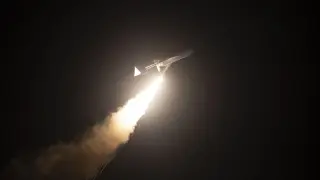
China’s Aero Engine Corporation flew a megawatt-class hydrogen-turboprop on a 7.5-tonne unmanned cargo aircraft in Zhuzhou, marking the first test of direct-hydrogen combustion at this power level: a 300-meter climb, 36-kilometer leg at 220 km/h, and a safe 16-minute return. The AEP100 burns liquid hydrogen directly in a turbine, offering higher power density than hydrogen fuel cells but raising cryogenic storage and durability questions. Beijing outlines a phased hydrogen-aviation roadmap—tech validation by 2028, regional aircraft by 2035, and mainline use by 2050—with initial service anticipated in low-altitude cargo routes where infrastructure can be controlled. The test aligns with energy-security aims amid oil-market tensions and contrasts with Airbus’s fuel-cell approach, though passenger certification remains years away.

Trump’s Iran dilemma deepens as diplomacy stalls
world13 days ago

Trump’s Iran dilemma deepens as diplomacy stalls

Diplomacy between the US and Iran stalls, leaving Trump with a tight set of bad options: escalate military pressure, accept concessions on Tehran’s nuclear program, or strike a fragile deal that still leaves Iran’s leverage over the Strait of Hormuz intact; Tehran demands sanctions relief and recognition of its influence in the waterway and refuses to dismantle its nuclear program, while domestic politics and rising energy costs complicate any path forward.

King's Speech maps sweeping UK policy agenda: digital IDs, housing reform and energy security
politics13 days ago

King's Speech maps sweeping UK policy agenda: digital IDs, housing reform and energy security

Live coverage of the King's Speech details the government's broad programme: non-compulsory digital ID, investment in social housing and leasehold reform, energy security through renewables and nuclear, strengthened security laws, reform of police/NHS/justice, expanded infrastructure, continued support for Ukraine and EU ties, with a Commons debate scheduled later.

Beijing Charts a Calculated Course in the Iran War
world14 days ago

Beijing Charts a Calculated Course in the Iran War

China has steered a cautious, diplomacy-first course in the Iran war, offering to lower tensions, back international law, and push for the reopening of the Strait of Hormuz while stopping short of military backing for Iran. The approach serves Beijing’s energy interests and its desire to be seen as a responsible great power, aligning with Gulf states and away from direct confrontation with Washington. Domestically, Xi’s power consolidation tempers adventurous foreign moves, keeping risk low on Taiwan while the Belt and Road strategy leans into renewable energy and regional trade. Overall, the war has reinforced China’s role as a stabilizing, law-based mediator rather than an aggressor, even as U.S. policy remains in flux.

Iran Conflict Might Quietly Reshape the Global Economy for the Better
economy14 days ago

Iran Conflict Might Quietly Reshape the Global Economy for the Better

Some economists say the Iran war could have a long-term positive effect on the global economy: it would push diversification and hardening of energy supplies, spur pipelines that bypass the Strait of Hormuz, potentially shrink OPEC, accelerate the shift to renewables, and boost U.S. natural-gas exports—mitigating price shocks even as the conflict causes immediate hardship.