
Chemours, DuPont, Corteva Agree to $455M North Carolina PFAS Settlement
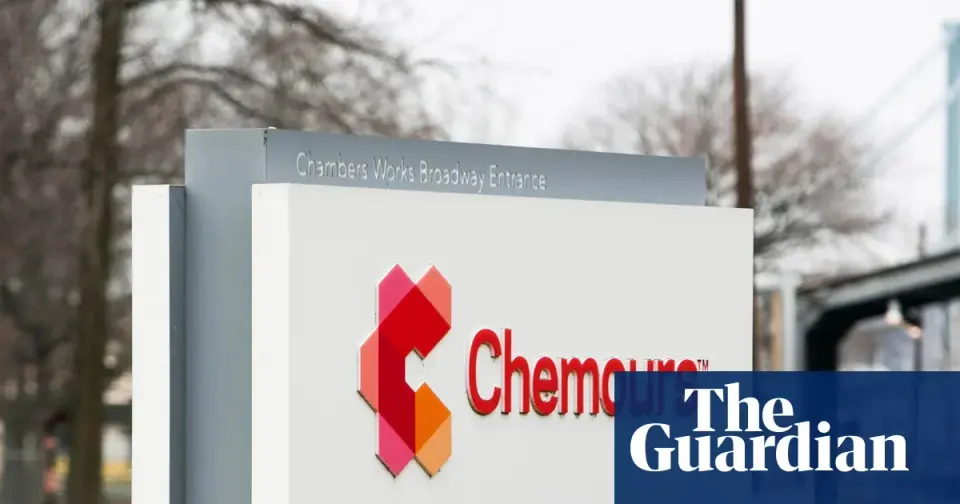
Chemours, DuPont, and Corteva have agreed to pay $455 million to North Carolina and 11 local entities to resolve lawsuits over PFAS contamination from the Fayetteville Works plant. The largest environmental damage payment in state history will be paid over 15 years, with Chemours covering 50% of the cost. The agreement includes a $135 million reserve fund to ensure cleanup continues if Chemours faces financial instability, addressing concerns about the company's long-term viability.
Key points
- The $455 million settlement resolves state and local lawsuits over PFAS contamination from Chemours' Fayetteville Works plant and other historical discharges.
- Payments will be made over 15 years, beginning within 30 days, with Chemours expected to pay approximately $50 million in the first year.
- Chemours will bear 50% of the settlement cost, while DuPont and Corteva will split the remainder, consistent with a 2021 agreement among the companies.
- The settlement includes a $135 million reserve fund, managed by DuPont and Corteva, to protect cleanup efforts if Chemours becomes unable to continue payments.
- North Carolina Attorney General Jeff Jackson valued the total agreement at $590 million, including the reserve fund, calling it the largest environmental damage payment in state history.
Background
This settlement follows years of litigation and public scrutiny over PFAS contamination in North Carolina, particularly in the Cape Fear River basin. In 2017, the EPA found that Chemours had illegally dumped PFAS into the river, which supplies drinking water to over 500,000 residents. A 2019 consent order required Chemours to reduce emissions and implement cleanup measures, including installing treatment systems and sampling nearly 27,500 wells. The 2024 national settlement with public water providers excluded many local entities, leading to this separate state-level agreement. Recent studies have also explored blood filtration techniques to reduce PFAS levels in the body, though prevention remains the primary solution.
How outlets are covering it
The Guardian and Inside Climate News emphasize the settlement's role in holding Chemours accountable for decades of pollution, with Jackson criticizing the EPA's earlier $450 million federal settlement as insufficient for North Carolina. ABC11 News highlights community concerns, with residents questioning how the funds will translate into clean water and safe infrastructure. WRAL focuses on the practical aspects of the settlement, including the $135 million reserve fund and the ongoing efforts to expand public water access in affected areas like Gray's Creek. All sources agree on the settlement's significance but differ in their emphasis: The Guardian and ICN focus on corporate accountability, ABC11 on community impact, and WRAL on the financial safeguards and future cleanup efforts.
Why it matters
The settlement addresses a critical public health issue, as approximately 3.5 million North Carolinians, or one in three, drink water with PFAS levels above federal health standards. PFAS exposure is linked to increased risks of cancer, thyroid disease, and reproductive problems. The agreement ensures that affected communities receive funds for water system improvements and cleanup, while the reserve fund protects against potential financial instability of Chemours. This case sets a precedent for holding chemical companies accountable for environmental damage and may influence future regulations on PFAS emissions and discharges.
What to watch
Payments will begin within 30 days of the agreement's execution, with Chemours expected to pay approximately $50 million in the first year. Local entities will use their shares of the $380 million to fund water system improvements and cleanup efforts. The state will monitor Chemours' compliance with the 2019 consent order and may take legal action if the company violates the agreement. Ongoing lawsuits, including a case by the Cape Fear Public Utility Authority and six cases against PFAS-containing firefighting foam manufacturers, remain unaffected by this settlement. A town hall meeting in Cumberland County is scheduled to address community concerns and discuss the use of settlement funds.
- Chemical companies reach $455m settlement with North Carolina over ‘forever chemicals’ claims The Guardian
- Chemours accused of illegally dumping PFAS chemicals in Cape Fear River, other NC water settles for millions ABC11 News
- Chemours to Pay $455 Million for Fayetteville Works Contamination Inside Climate News
- North Carolina reaches $455 million PFAS settlement with Chemours, DuPont and Corteva WRAL
- NC Attorney General Jeff Jackson announces historic settlement with Chemours WECT
Want the full story? Read the original reporting
Read on The Guardian