
The Environmental and Economic Costs of Bitcoin Mining
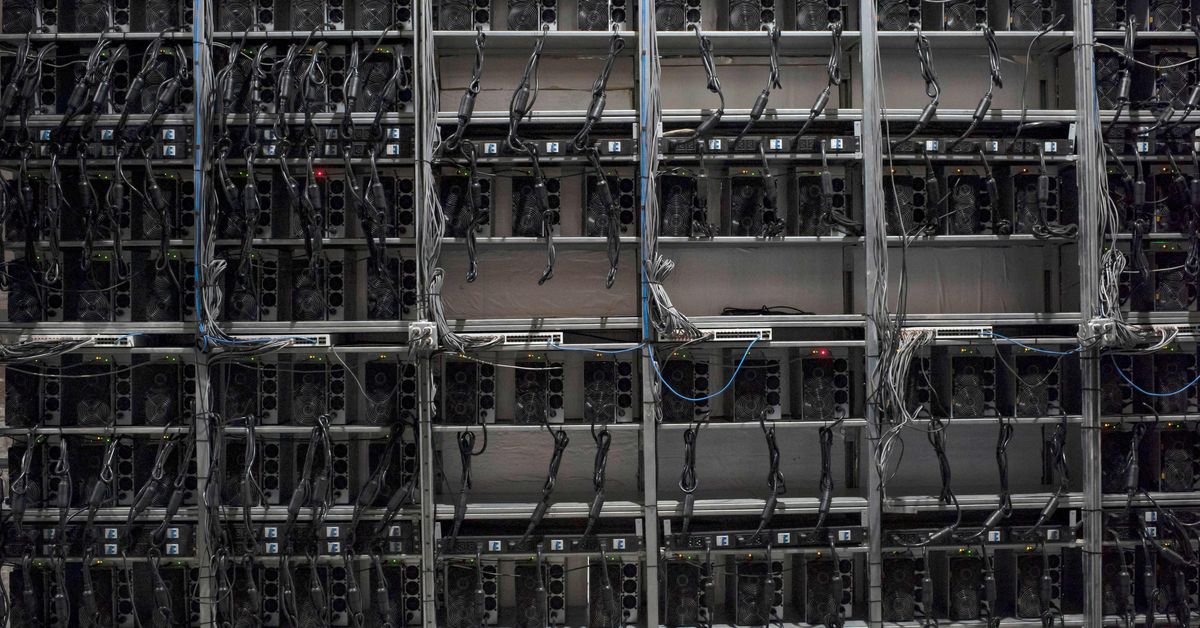
Bitcoin mines in the US are using vastly more electricity than the communities surrounding them, driving up pollution from coal and gas power plants and making electricity bills more expensive for their neighbors. The expansion of the industry in the US has been swift, adding stress to US power grids. The amount of energy needed to validate transactions and generate new tokens dissuades bad actors from messing with the ledger, but it requires more sophisticated software that eats up more electricity in the process. Coal and gas plants meet about 85 percent of the demand Bitcoin mining adds to power grids, and pollution stemming from the added energy demand of Bitcoin mines is about as much as the annual emissions from 3.5 million new gas-guzzling cars.
- Bitcoin's insatiable appetite for energy is driving up pollution and costs for Americans, report finds The Verge
- Bitcoin proponents respond to New York Times’ BTC mining report Cointelegraph
- Bitcoin’s Energy Transparency Is a Double-Edged Sword: Hut 8 Mining CEO Decrypt
- Debate Over the Environmental Impact of Bitcoin Mining Escalates CoinDesk
- Bitcoin Miners Consume Fossil Fuels Equivalent to 3.5 Million Cars: NY Times U.Today
Reading Insights
1
8
3 min
vs 4 min read
83%
751 → 126 words
Want the full story? Read the original article
Read on The Verge