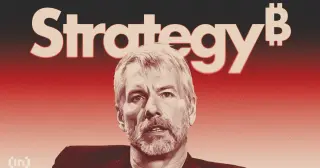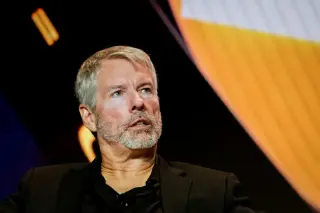
The New York Times reports that British cryptographer Adam Back is the strongest publicly identified candidate for Satoshi Nakamoto after examining emails and stylistic cues, but the case remains circumstantial and Back denies being the Bitcoin creator.
A New York Times investigation reignites the Satoshi Nakamoto mystery by suggesting Adam Back could be Bitcoin’s creator; Back denies the claim, calling it confirmation bias and noting similarities in cryptography work are common among experts. The true identity remains unknown, a fact many in the crypto world regard as part of Bitcoin’s enduring lore.
Adam Back publicly denied a new report claiming he is Satoshi Nakamoto, the elusive creator of Bitcoin. He says the claim is false and unsupported by credible evidence, as speculation about Satoshi’s identity persists without verifiable proof.
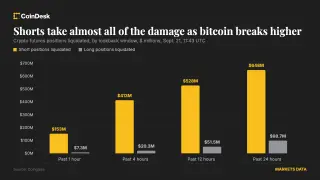
The New York Times reports that Adam Back, Blockstream’s CEO, is the strongest candidate to be Bitcoin’s creator Satoshi Nakamoto, a claim Back denies. Investigative journalist John Carreyrou points to circumstantial similarities in language and timelines and Back’s early Hashcash work as supportive clues, but offers no definitive proof. The crypto community argues that identifying Nakamoto isn’t materially important to Bitcoin’s fundamentals, which have operated for over a decade, while markets nudged higher as bitcoin hovered around $71,700.
The New York Times, in a report by John Carreyrou, argues that Adam Back is Satoshi Nakamoto based on writing quirks, Hashcash links, and Cypherpunks-era posts; Back refutes the claim, saying the similarities are coincidental and that Satoshi’s anonymity may benefit Bitcoin.
Google Research warns that the quantum resources needed to break ECDLP-256 have fallen roughly 20-fold, potentially enabling on-spend attacks against Bitcoin within its 10-minute block window and prompting a 2029 migration to post-quantum cryptography; the industry, including Coinbase and the Ethereum Foundation, is coordinating on the transition, though the risk remains years away.
Google has announced a 2029 deadline to migrate its systems to post-quantum cryptography, citing growing quantum hardware capabilities that could undermine current encryption and digital signatures. While Bitcoin faces long-term cryptographic risk from quantum attacks like Shor’s algorithm, upgrading Bitcoin is a decentralized, multi-stakeholder effort that won’t happen overnight. Initiatives such as BIP 360 introducing Pay-to-Merkle-Root are beginning to prepare for quantum-resistant signatures, and some estimates suggest a sizable portion of Bitcoin addresses could be vulnerable in a future quantum era—though exact timelines for practical quantum attacks remain uncertain.
Bitcoin sits near $68,000 and has fallen less than broad stock indices as oil prices surge on Strait of Hormuz tensions, signaling resilience from prior deleveraging and ongoing institutional demand. While the S&P 500 and Nasdaq slide and energy leads gains in a risk-off environment, macro data and oil moves are likely to shape the next move for risk assets, with some analysts suggesting Bitcoin’s fair value could be well above current levels.
Investors are left puzzled as the Iran conflict drives crude higher and yields rise, while gold and stocks fall only modestly and Bitcoin climbs, signaling mixed signals about inflation, policy paths, and the war’s broader impact on financial markets.
Bank of America’s note says the Fed would likely hike rates only if Powell’s tenure lasts longer than expected, unemployment stays below 4.5%, and energy-price spillovers push broader inflation; higher energy and shipping costs could lift prices. Analysts warn a rate rise would pressure Bitcoin and stocks in the near term, but the crypto could later benefit as a currency-debasement hedge, with Bitcoin hovering around $70,000 after a spike toward the mid-$70,000s.
Bitcoin rose above $75,000 and pressed a key resistance as traders brace for the February PPI print and the Federal Reserve’s rate decision and projections, with oil-driven geopolitical tensions underpinning a renewed “digital safe haven” narrative and a macro backdrop that could dictate whether the rally extends or fades as inflation signals and policy guidance unfold.
The piece spotlights five leading crypto casinos—Bets.io, Lucky Rebel, Thunderpick, BitStarz, and BetWhale—focusing on their large game libraries, generous welcome bonuses, and fast crypto withdrawals. Bets.io offers 17,000+ games and a 225% bonus up to 1 BTC, while Lucky Rebel welcomes new players with 200% up to $2,500 plus 50 free spins. Thunderpick emphasizes rapid deposits and fast payouts, BitStarz supports 500+ cryptocurrencies with instant BTC withdrawals, and BetWhale combines a 250% welcome bonus up to $2,500 with a broad sportsbook. The article also covers practical tips on wagering requirements, registration, and using multiple cryptocurrencies for deposits and withdrawals.
A guide ranking five leading crypto casinos for 2026—Bets.io, Lucky Rebel, Thunderpick, BitStarz and BetWhale—focusing on game libraries, crypto payments, and rapid withdrawals. Bets.io offers 17,000+ games with a 225% bonus + 225 free spins up to 1 BTC plus cashback; Lucky Rebel supports BTC withdrawals via the Lightning Network and a 200% match up to $2,500 plus 50 free spins; Thunderpick provides up to €2,000 casino and €600 betting bonuses with fast payouts; BitStarz features 500+ cryptocurrencies, 7,000+ titles and sub-10-minute withdrawals; BetWhale combines a 250% bonus up to $2,500 with a sportsbook and quick sign-up. The piece also includes tips on evaluating promos and a simple crypto-deposit/register workflow.
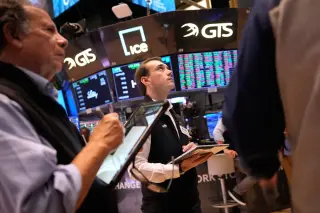
Stock index futures rose as oil neared $100 amid Iran-related tensions, with Meta Platforms rising about 2.6% on reports of layoffs and AI investments. Micron Technology and several gold miners were among notable movers, while gold stocks slipped as higher energy prices fueled concerns about delayed rate cuts and kept the dollar firm.
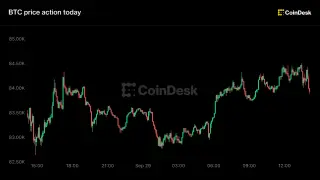
Bitcoin rose about 2% to around $72,500 as oil surged toward $100 a barrel amid Middle East strikes, with traders weighing potential disruptions to energy flows through the Strait of Hormuz and the spillover into broader markets as stock futures edged higher.