
Capital One Confirms Closure of Trump Organization Accounts Following AML Investigation
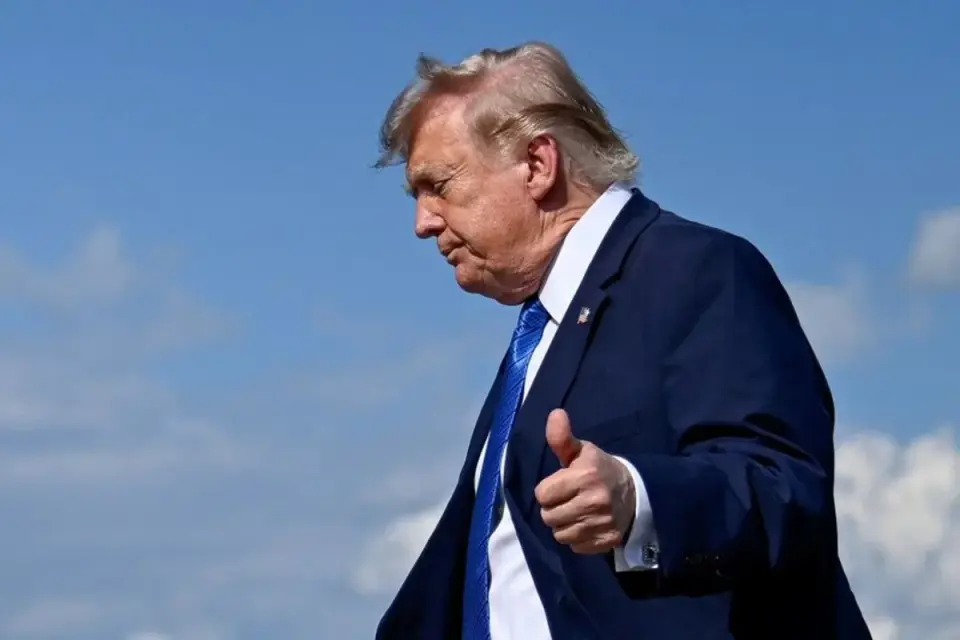
Capital One has confirmed that it closed over 300 accounts associated with the Trump Organization following an internal anti-money laundering (AML) review. The bank asserts that the decision was based on federal compliance guidelines rather than political motivations, directly contradicting claims of 'debanking.' This development follows a period of intense legal and regulatory scrutiny, including a lawsuit filed by the Trump Organization and inquiries from the Senate Banking Committee. While the bank seeks dismissal of the lawsuit, the Trump Organization maintains that the account closures were politically motivated. The situation highlights ongoing tensions between major financial institutions and political entities regarding compliance standards and regulatory oversight.
Key points
- Capital One states it closed more than 300 accounts linked to the Trump Organization after an anti-money laundering review.
- The bank argues the closures were consistent with federal AML guidance, not political bias.
- The Trump Organization claims the action was a politically motivated 'debanking' effort.
- Capital One is seeking dismissal of the lawsuit filed by the Trump Organization.
- The dispute has drawn attention from the Senate Banking Committee and the Consumer Financial Protection Bureau.
Background
This story follows a series of legal and regulatory developments involving Capital One and the Trump Organization. In August 2026, Capital One filed a court document asserting that the account closures were the result of a months-long AML review, seeking to dismiss a lawsuit that accused the bank of political debanking. Earlier in July 2026, Senator Elizabeth Warren questioned Eric Trump about whether the Trump family would re-file the lawsuit by a July deadline, as part of a Senate Banking Committee inquiry into Capital One and CFPB nominee Brian Johnson. The dispute has been characterized by the Trump Organization as politically motivated, while Capital One maintains that its actions were driven by compliance with federal anti-money laundering standards.
Why it matters
The closure of accounts for a high-profile political entity by a major bank underscores the ongoing tensions between financial institutions and political figures regarding compliance and regulatory oversight. It raises questions about the balance between anti-money laundering regulations and potential political bias in banking decisions. The legal and regulatory scrutiny surrounding this case could set precedents for how banks handle accounts associated with political entities and the extent to which they can be held accountable for alleged 'debanking.'
What to watch
The next steps will likely involve the court's decision on Capital One's motion to dismiss the lawsuit. Additionally, the Senate Banking Committee may continue its inquiry into Capital One and the CFPB, potentially leading to further regulatory actions or policy changes. The Trump Organization may also decide whether to re-file the lawsuit or pursue other legal avenues.
Want the full story? Read the original reporting
Read on Yahoo Finance