
Cyclospora Panic Shifts Ohio Produce Demand to Local Markets
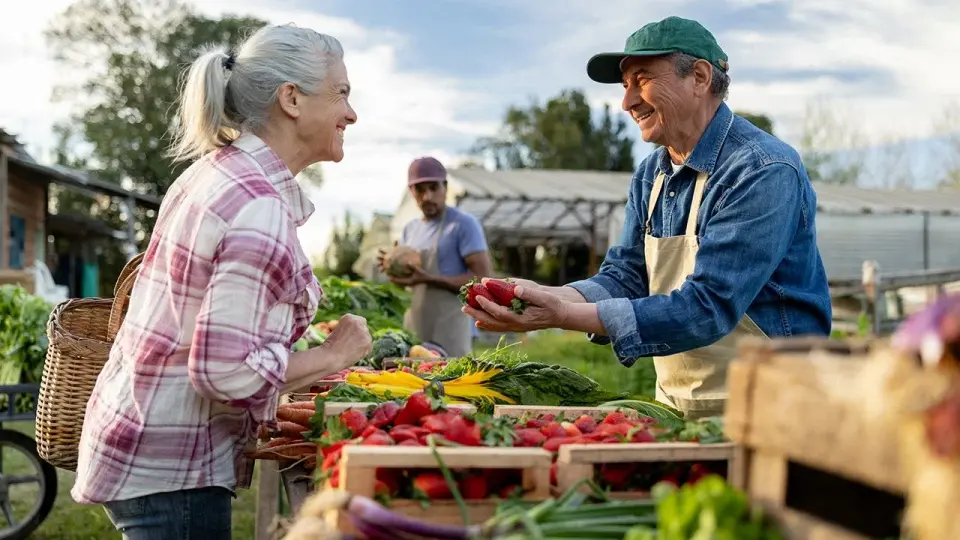
A nationwide Cyclospora outbreak has triggered a consumer shift toward locally sourced produce in Ohio, with farmers market vendors selling out within an hour. While commercial salad sales and restaurant traffic have plummeted, local growers benefit from reduced supply chain risks. Federal officials continue investigating the crisis, which has sickened over 10,000 people, though some states have recently lifted precautionary bans on greens.
Key points
- Ohio farmers market vendors report selling out of lettuce within 30 to 60 minutes as shoppers avoid commercial supply chains.
- The CDC advises thorough washing of produce but notes that this does not guarantee the elimination of the Cyclospora parasite.
- The outbreak has resulted in over 10,000 cases, 278 hospitalizations, and two deaths across 15 states, with symptoms appearing one to two weeks after exposure.
- Taylor Farms recalled iceberg lettuce from central Mexico in July, reaching consumers in at least 27 states.
- Michigan has lifted its precautionary ban on bagged salads as new infections have slowed, allowing residents to resume normal food practices.
Background
This development follows a series of regional spikes in Cyclospora cases across the US in July and early August. Previous reports highlighted surges in North Carolina, Wisconsin, and Kansas, where local farmers markets saw increased traffic as consumers sought minimally handled produce. The current Ohio trend mirrors these earlier patterns, reflecting a broader national shift in consumer behavior during the ongoing outbreak.
How outlets are covering it
Fox News emphasizes the immediate impact on Ohio farmers markets, highlighting how local vendors are benefiting from the consumer shift away from grocery stores. CNBC provides a broader economic perspective, detailing how the outbreak has severely impacted the salad industry, with prepackaged salad sales dropping 14% and chains like Sweetgreen and Chopt experiencing significant traffic declines. While Fox focuses on the local supply chain advantage, CNBC highlights the financial damage to national restaurant chains and the FDA's identification of Taylor Farms' central Mexico facility as the likely culprit.
Why it matters
The shift in consumer behavior highlights the vulnerability of large-scale commercial food supply chains to contamination events. As shoppers prioritize local sourcing to reduce risk, the economic impact on national salad chains and grocery stores is substantial. The outbreak also underscores the importance of food safety protocols, as the CDC notes that washing produce does not guarantee the removal of the parasite, leading to ongoing anxiety among consumers regarding the long incubation period of Cyclosporiasis.
What to watch
Federal health officials will continue investigating the outbreak and monitoring the effectiveness of precautionary measures. As new infections slow in some states, such as Michigan, the focus will shift to assessing the long-term economic impact on the salad and restaurant industries. Consumers are expected to remain cautious, with many continuing to avoid raw greens or opting for cooked foods to mitigate the risk of infection.
- Cyclospora fears are sending shoppers to farmers markets for local produce foxnews.com
- Cyclospora fears lead consumers to lose their appetite for salads CNBC
- Worried About the Lettuce in Your Salad? Some New Yorkers Opt to Buy Local. The New York Times
- Is It Safe to Eat Lettuce Again? Here’s What Food Safety Experts Say Food & Wine
- America’s Cyclospora Outbreak Is Becoming A Retail Problem forbes.com
Want the full story? Read the original reporting
Read on foxnews.com