
FDA Rules Force Skippy to Label Its Product as a Spread
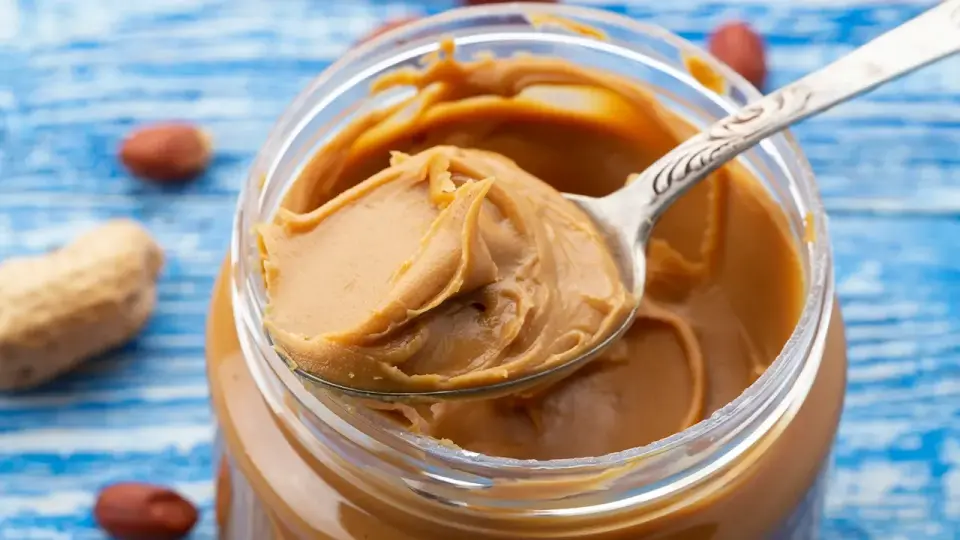
Skippy must label its natural product as a 'spread' rather than 'peanut butter' because it contains palm oil, which lowers the peanut content below the FDA’s 90% threshold. This distinction stems from 1961 regulations that defined peanut butter standards after manufacturers reduced peanut content to cut costs. The FDA requires the term 'spread' for any product with less than 90% peanuts or added oils, even if the product still meets the minimum peanut requirement but includes other ingredients.
Key points
- The U.S. Food and Drug Administration mandates that products with less than 90% peanuts must be labeled as 'spread' rather than 'peanut butter'.
- Skippy’s Natural Peanut Butter Spread contains palm oil, which places it outside the standard definition of peanut butter despite potentially meeting the 90% peanut minimum.
- The 90% peanut standard was established in 1961 after a 20-week public hearing involving Skippy, Jif, and Peter Pan to address cost-cutting measures in the industry.
- In 1959, the FDA noted that some products had reduced peanut content by up to 20% by substituting cheaper hydrogenated or vegetable oils.
- The FDA also set a maximum fat content of 55% for products to qualify as peanut butter under the 1961 standard.
Background
Recent coverage has highlighted the nutritional profile of peanut butter, noting that a standard serving provides about 190 calories, 7g of protein, and 16g of fat. Dietitians advise consumers to choose products with simple ingredients and avoid added oils or sugars to maintain dietary balance. This regulatory context is distinct from broader market trends, such as recent fluctuations in oil prices due to geopolitical tensions, which do not directly impact the FDA’s labeling standards for peanut products.
Why it matters
Understanding FDA labeling standards helps consumers distinguish between pure peanut butter and spreads that contain added oils or sweeteners. This knowledge allows shoppers to make informed choices based on ingredient quality and nutritional content, rather than relying solely on brand names or marketing terms. The strict 90% peanut threshold ensures that products labeled as 'peanut butter' meet a consistent quality standard, protecting consumers from misleading claims about ingredient purity.
What to watch
Consumers should continue to check labels for the term 'spread' to identify products that may contain added oils like palm oil. Manufacturers may continue to innovate with new formulations, but they must adhere to FDA standards to use the term 'peanut butter.' Future regulatory reviews could potentially update these standards, but the 90% peanut threshold remains the current benchmark for classification.
Want the full story? Read the original reporting
Read on Fox News