
Fed Governor Waller Warns of Further Rate Hikes to Combat Persistent Inflation
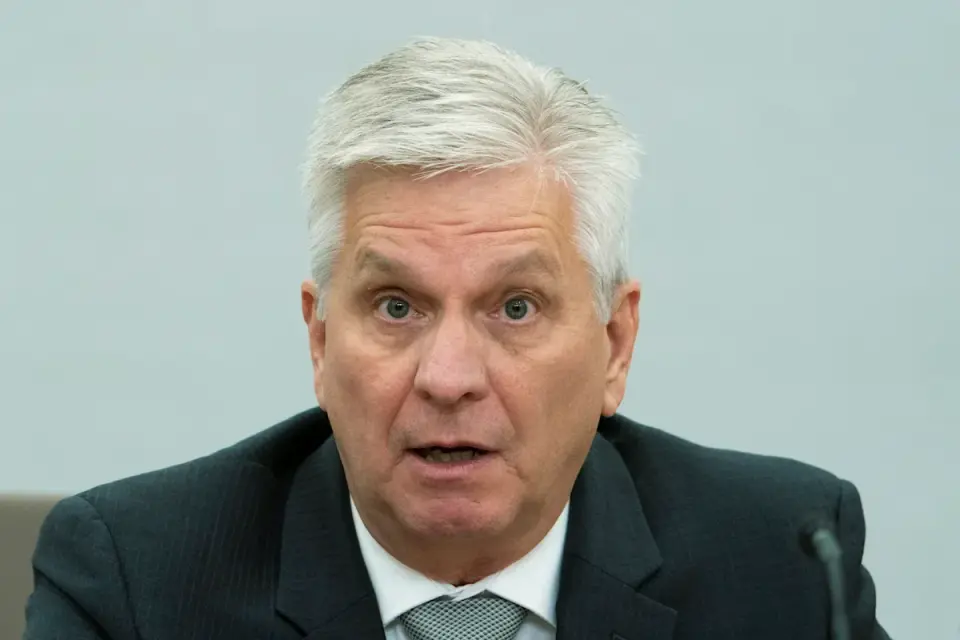
Federal Reserve Governor Chris Waller stated on October 8 that additional interest rate hikes are likely necessary to return inflation to the 2% target. He cited persistent inflationary pressures from high oil prices, AI-driven tech costs, and trade tensions. Waller emphasized that while hikes may not occur at consecutive meetings, they must happen within an acceptable timeframe to prevent inflation expectations from rising. He noted that recent data show a stable labor market but insufficient progress on price stability, suggesting the Fed will prioritize fighting inflation over supporting growth in the near term.
Key points
- Chris Waller expects additional rate hikes if economic data continues to trend as anticipated, aiming for a faster return to the 2% inflation goal.
- Waller identified several factors driving persistent inflation, including high oil prices due to low inventories and damaged infrastructure, rising prices for AI-related high-tech goods, and potential new tariffs from trade conflicts.
- The August inflation report, which came in hot before the September FOMC meeting, confirmed that inflation remains too high and is not progressing sufficiently toward the target.
- Waller expressed concern that the recent acceleration in inflation, which has persisted for over five years above the target, could lead consumers and businesses to revise their future inflation expectations upward.
- He advocated for a middle-ground communication strategy by the Fed, signaling the total amount of rate hikes over a period without specifying the exact pace or size of individual increases.
Background
This statement follows a series of recent Federal Reserve policy shifts. In September 2026, the Fed raised rates to 3.75%-4.00% amid sticky inflation and strong economic growth, marking a significant departure from the ultra-low-rate era. Previous coverage indicated that markets had priced in this hike with high confidence, driven by persistent inflation metrics and rising oil prices. The current stance by Waller suggests that the tightening cycle may continue, as the Fed prioritizes price stability despite a stable labor market and accelerating economic activity in the second half of the year.
Why it matters
Further rate hikes could increase borrowing costs for consumers and businesses, potentially slowing economic growth. The Fed's focus on inflation over growth in the near term may lead to higher mortgage rates and loan costs, impacting household budgets and corporate investments. Additionally, the Fed's communication strategy on rate hikes could influence market volatility and investor expectations, affecting stock and bond markets.
What to watch
Investors and policymakers will closely monitor upcoming economic data, particularly inflation reports and labor market indicators, to assess the likelihood and timing of further rate hikes. The Fed's communication on the pace and size of future hikes will be crucial in managing market expectations and ensuring a smooth transition to a higher-rate environment. The impact of trade policies and oil prices on inflation will also be key factors in determining the Fed's next moves.
Want the full story? Read the original reporting
Read on Yahoo Finance