
Panmure Strategist Forecasts 36% S&P 500 Crash by 2027 as AI Spending Strains Cash Flows
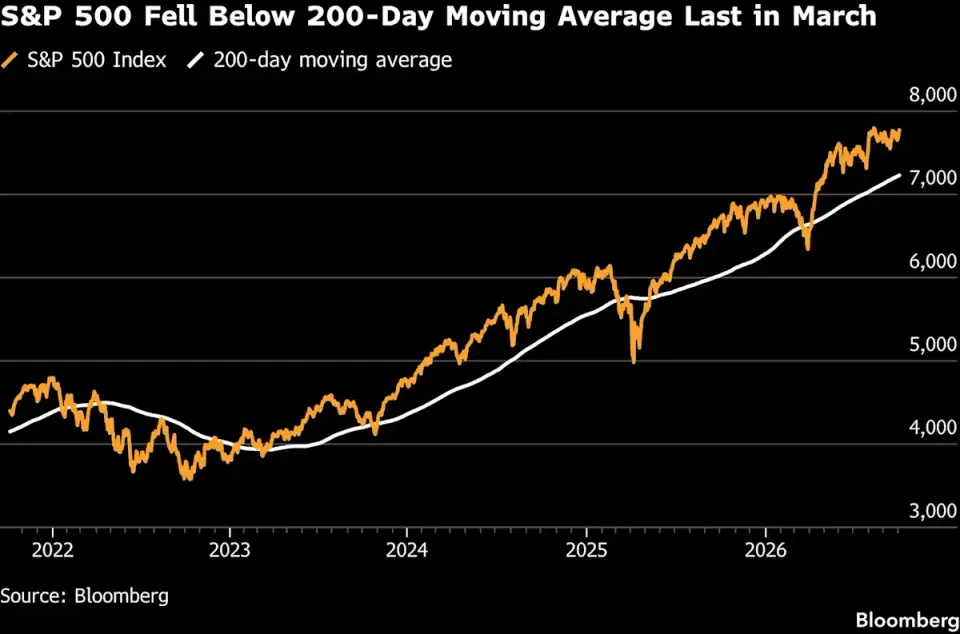
Panmure Liberum head of market strategy Joachim Klement warns that the artificial intelligence trade may collapse as early as 2027, potentially triggering the worst S&P 500 crash since the 2008 financial crisis. He projects a 36% decline in the index, driven by depleted free cash flows and rising debt costs for major technology firms. While acknowledging the risk may be premature, Klement advises investors to prepare contingency plans and shift to defensive sectors if the market breaches key technical support levels.
Key points
- Joachim Klement of Panmure Liberum predicts the AI bubble will burst between 2027 and 2028, citing exhausted free cash flows and prohibitive debt costs for hyperscalers.
- Klement’s year-end 2027 target for the S&P 500 is 5,000 points, representing a 36% drop from current levels, the most bearish forecast among Bloomberg-tracked strategists.
- He expects Europe’s Stoxx 600 to fall more than 30% to 430 points, though he remains bullish for the index through the end of 2026.
- Klement advises clients to develop contingency plans and switch to defensive sectors like food, tobacco, and pharmaceuticals if the S&P 500 falls below its 200-day moving average.
- Data-center capital spending by hyperscalers is projected to reach $713 billion in 2026, more than double the previous year, underpinning current tech earnings projections.
Background
Recent market data shows extreme concentration in AI-driven mega-cap stocks, with Goldman Sachs noting that 45% of S&P 500 constituents have negative three-month beta, a divergence not seen since the dot-com era. While the index hit record highs in early October amid tech-led rallies, bond market stress and skepticism about AI sustainability persist. Earlier warnings from MarketWatch and other strategists have also highlighted potential 35% drops, though some analysts counter that strong profit growth and falling valuations contradict bubble behavior.
Why it matters
The warning highlights a critical shift in market sentiment, moving from broad optimism to concern about the financial sustainability of massive AI infrastructure investments. If the AI trade reverses, it could trigger a severe market correction, impacting global equities and forcing a rapid rebalancing toward defensive sectors. The divergence between current record highs and bearish forecasts underscores the fragility of the current bull run, which relies heavily on continued capital expenditure and favorable borrowing costs.
What to watch
Investors are advised to monitor the S&P 500’s 200-day moving average as a trigger for defensive positioning. Klement suggests preparing contingency plans now, as the potential crash could occur within six to nine months. Market participants will watch for signs of rising debt costs and depleted cash flows among hyperscalers, which could signal the start of a broader market downturn.
Want the full story? Read the original reporting
Read on Yahoo Finance UK