
Maldon Salt Faces Backlash Over Use of German Rock Salt in 'Sea Salt' Production
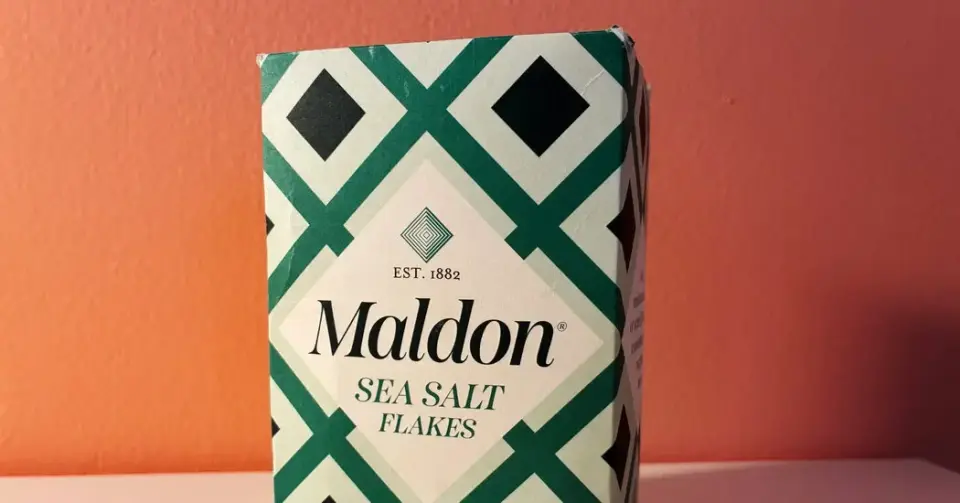
Maldon Salt, a premium British brand, is facing consumer backlash after The Observer revealed it uses imported German rock salt in its production process. While the company claims this 'salt-on-salt' method is traditional and compliant with regulations, critics argue the labeling is misleading. The controversy highlights tensions between artisanal branding and mass production, with some experts noting that chemically, all salt is identical.
Key points
- The Observer investigation found that Maldon Salt imports rock salt from the German company K+S, with approximately 50 tonnes delivered weekly to its Essex plant.
- The company uses a 'salt-on-salt' process, dissolving rock salt in seawater to enrich the brine, which it claims dates back over 100 years.
- Maldon labels its product as '100% sea salt flakes,' arguing that rock salt is technically ancient sea salt, though critics dispute this transparency.
- The Food Standards Agency (FSA) and Essex trading standards have inspected the site and found no regulatory violations, as there is no legal definition distinguishing sea salt from rock salt.
- The controversy has sparked debate among food experts, with some dismissing the issue as trivial since salt is chemically identical regardless of source, while others demand clearer labeling.
Background
Maldon Salt has been a staple in British and global kitchens for over 140 years, known for its distinctive pyramid-shaped flakes. The brand gained significant popularity in the 2000s through endorsements from celebrity chefs like Nigella Lawson and Jamie Oliver. The current controversy follows a similar 2017 incident involving Hebridean Sea Salt, where regulators found that 80% of the product was imported, leading to accusations of consumer deception. This incident underscores ongoing concerns about the transparency of artisanal food products in an era of mass production.
How outlets are covering it
The New York Times frames the issue as a crisis of authenticity for culinary connoisseurs, emphasizing the emotional reaction of fans. The Observer provides detailed investigative evidence, including surveillance footage and delivery logs, highlighting the gap between marketing claims and production reality. The Guardian offers a contrarian view, arguing that the 'scandal' is overblown since salt is chemically identical regardless of origin, and that Maldon’s practice is a reasonable response to high demand. Bon Appétit notes the cultural shock within the food media but predicts Maldon will survive the controversy due to its legacy status. While the Observer and NYT focus on the perceived deception, the Guardian and Bon Appétit emphasize the practical reality that the end product is functionally the same, though they agree that transparency is lacking.
Why it matters
This controversy raises broader questions about food labeling regulations and consumer trust in artisanal products. It highlights the lack of legal definitions for terms like 'sea salt' versus 'rock salt,' allowing companies to use ambiguous marketing language. The incident may prompt regulatory bodies to revisit labeling standards for artisanal foods, ensuring that consumers are fully informed about the provenance and production methods of premium ingredients. It also reflects the tension between traditional craftsmanship and the economic pressures of scaling production to meet global demand.
What to watch
Maldon Salt has updated its website to disclose the 'salt-on-salt' process but maintains that its labeling is accurate. The company may face increased scrutiny from consumers and potentially from regulatory bodies if public pressure mounts. The Food Standards Agency may be prompted to review labeling guidelines for salt products to prevent similar disputes. In the short term, the brand may experience a dip in sales among its most loyal customers, but its widespread availability and legacy status suggest it will likely retain its market position. The debate may also influence other artisanal food producers to be more transparent about their sourcing and production methods.
- Maldon Salt’s Authenticity Is Questioned, Leaving Foodies Shaken The New York Times
- Why I take this posh salt scandal with a pinch of you know what | Thea Everett The Guardian
- Luxury, gourmet, artisanal: it’s all a load of baubles The Times
- Revealed: how Maldon sea salt flakes are made using imported German rock salt The Observer
- The Maldon Salt Scandal, Explained Bon Appétit: Recipes, Cooking, Entertaining, Restaurants | Bon Appétit
Want the full story? Read the original reporting
Read on The New York Times