Tag

Food Labeling

All articles tagged with #food labeling

Federal Suit Challenges Starbucks 'Sugar-Free' Protein Drinks Over High Sugar Content
business4 days ago

Federal Suit Challenges Starbucks 'Sugar-Free' Protein Drinks Over High Sugar Content

A federal class-action lawsuit alleges that Starbucks mislabels eight protein beverages as 'sugar-free' despite containing 13 to 21 grams of sugar per serving. Filed by Hagens Berman on behalf of three consumers, the suit claims the labeling violates federal regulations and misleads health-conscious buyers. Starbucks defends its position, stating the sugar originates from protein-boosted milk rather than added sweeteners, and asserts it clearly discloses nutritional data. The company, which introduced these drinks in September 2025 to compete with rivals like Dutch Bros, intends to vigorously contest the claims of false advertising.


Starbucks Faces Federal Suit Over 'Sugar-Free' Protein Drinks Containing Up to 21 Grams of Sugar
business-and-law4 days ago

Starbucks Faces Federal Suit Over 'Sugar-Free' Protein Drinks Containing Up to 21 Grams of Sugar

A federal lawsuit filed in Seattle alleges that eight Starbucks protein beverages marketed as 'sugar-free' contain significant amounts of sugar, with some versions holding more than a Reese's peanut butter cup. The suit, brought by Hagens Berman on behalf of three consumers, claims the labeling is deceptive and violates federal regulations. Starbucks defends its position by stating the sugar comes from protein-boosted milk, not added sweeteners, and asserts it clearly disclosed nutritional facts. The company, which launched these drinks in September 2025 to compete with rivals like Dutch Bros, intends to vigorously defend against the claims of false advertising.

Tick-bite allergy drives push to classify alpha-gal as major allergen
health2 months ago

Tick-bite allergy drives push to classify alpha-gal as major allergen

Advocates are pushing to classify alpha-gal syndrome — a meat- and dairy-allergy triggered by lone star tick bites — as the 10th major food allergen, a move they say would improve labeling and protections. The effort includes outreach to lawmakers, like Rep. Jake Auchincloss, and personal stories such as Erica Pernell’s about needing to check medications and foods for animal-derived ingredients.

Public health advocates press for sweeping policy on ultra-processed foods
public-health4 months ago

Public health advocates press for sweeping policy on ultra-processed foods

A special issue of the American Journal of Public Health urges policymakers to act on ultra-processed foods, showing cross‑partisan support for safety testing, warning labels, and reducing sugar and salt, while arguing that education alone won’t curb consumption. The pieces discuss defining ultra-processed foods (favoring the Nova system), industry tactics, and strategies like litigation and subsidies to make fruits and vegetables more affordable, plus reallocating subsidies and regulatory tools to counter a powerful food system.

New Blueprint Sets a Science-Based Target for Ultra-Processed Foods and Policy
health4 months ago

New Blueprint Sets a Science-Based Target for Ultra-Processed Foods and Policy

A May 2026 Healthy Eating Research blueprint defines ultra-processed foods by ingredient lists—flagging products with additives not used in home cooking—and reports that over half of American adults’ calories come from UPFs (even more for kids). The panel ranks Tier 1 policies such as targeted taxes on UPFs, school/childcare procurement restrictions, countermarketing, and mandatory front-of-pack labeling, with a focus on equity and alignment with FDA/USDA efforts. UNC data cited show 71% of baby/toddler foods in North Carolina are UPFs, and 72% of U.S. packaged foods analyzed meet the UPF definition. The research links UPF consumption to higher risks of heart disease, diabetes, obesity, depression, and early death, while noting potential processing-related effects on digestion and cravings.

california-politics-and-policy6 months ago

California moves to label not-ultraprocessed foods with a new grocery seal

A California bill would create the nation’s first 'California Certified' seal for non-ultraprocessed foods, with certification starting by 2028 and mandatory display in stores; the measure fits a bipartisan push to curb ultraprocessed foods and follows related state actions on school lunches and dye bans, drawing both public support and industry pushback.

Protein Hype Meets Reality: How Much Do You Really Need?
health8 months ago

Protein Hype Meets Reality: How Much Do You Really Need?

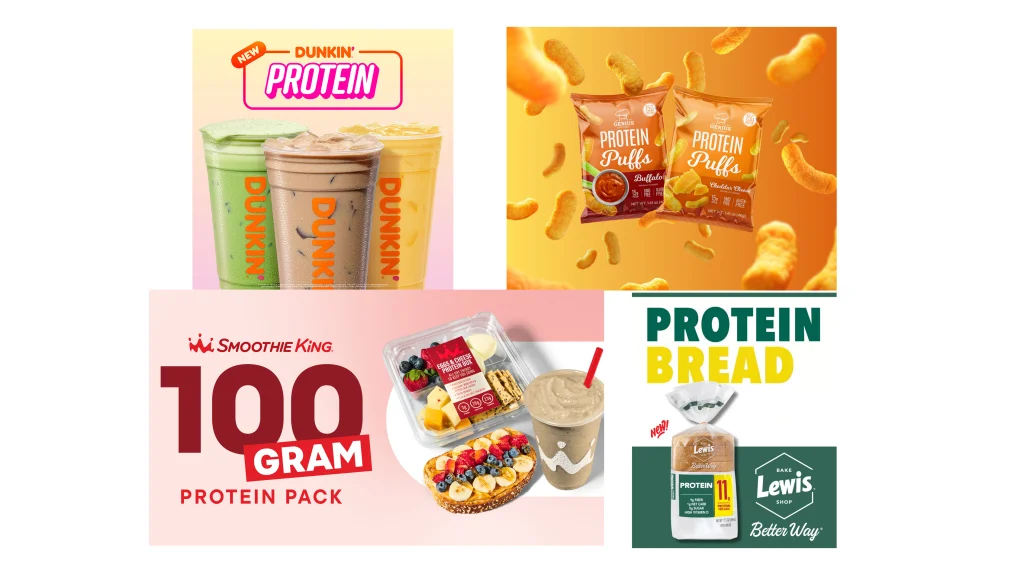
The latest U.S. dietary guidelines raise the recommended daily protein intake by 50% to 100% above prior levels, but most Americans already meet these needs. Experts emphasize choosing high-quality protein sources and maintaining a balanced diet with carbohydrates and fats, while recognizing individual needs based on weight, activity, and health. Food brands are increasingly marketing protein-forward products, which can mislead; consumers should watch for added sugars and additives. Excess protein isn’t risky for healthy people, but could be problematic for kidney or liver disease and may crowd out other nutrients.

California's 2026 Legislation: Environmental, Workplace, and Digital Policy Changes
law-and-policy9 months ago

California's 2026 Legislation: Environmental, Workplace, and Digital Policy Changes

Starting in 2026, California will implement numerous new laws affecting various sectors including environmental policies like a plastic bag ban, consumer protections for food delivery, streaming ad volume regulations, and regulations on artificial intelligence transparency, among others, impacting residents, businesses, and technology use.

health-and-nutrition11 months ago

The Impact of Ultraprocessed Foods on Health and Environment

The article critiques the use of the term 'ultraprocessed foods' (UPF) as a metric for health, arguing that it oversimplifies complex food issues, can be gamed by industry, and may mislead consumers about what constitutes unhealthy food. It emphasizes that focusing on ingredients and contents is more meaningful than broad labels like UPF, and highlights the challenges consumers face in navigating food quality and labeling, especially in the US.

EU Moves to Ban Meat Names for Plant-Based Foods
world1 year ago

EU Moves to Ban Meat Names for Plant-Based Foods

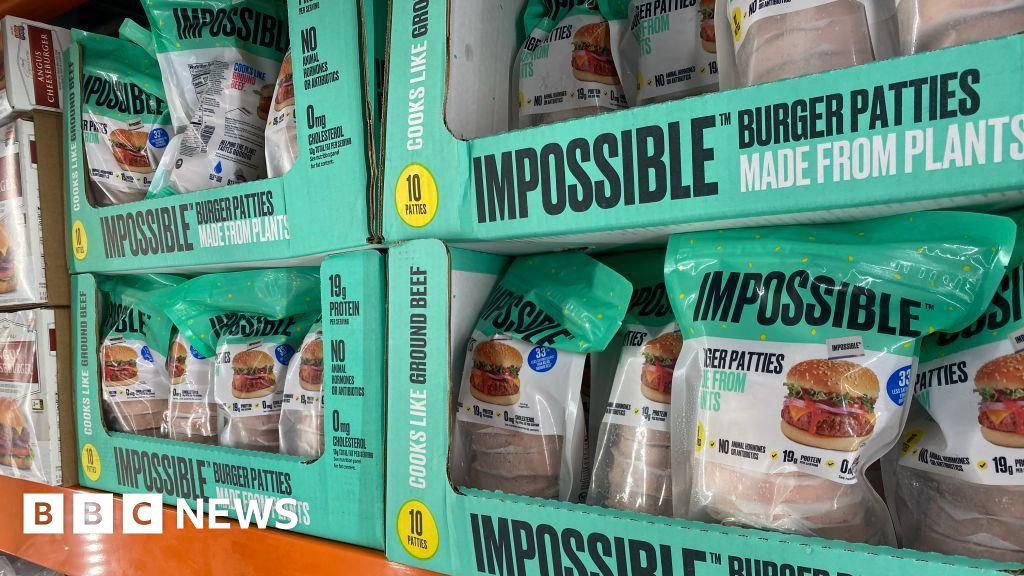
The European Parliament voted to ban the use of traditional meat-related terms like 'burger' and 'steak' for plant-based foods, aiming to prevent consumer confusion, though the full implementation depends on approval from the European Commission and member states. The move has received mixed reactions, with livestock and meat industries supporting it, while environmentalists and parts of the food industry criticize it as unnecessary and potentially misleading for consumers.

The Complex Impact of Ultra-Processed Foods on Health and Diet
health-and-nutrition1 year ago

The Complex Impact of Ultra-Processed Foods on Health and Diet

Research shows that people's beliefs and perceptions about food influence overeating as much as the food's actual nutrients, and classifying foods as ultra-processed adds little predictive value for overeating behavior. The study suggests focusing on food literacy and understanding psychological factors behind eating habits rather than blanket warnings on ultra-processed foods.