
Middle East Oil Flows Near Pre-War Levels, but Prices Stay High Due to Risk Premiums
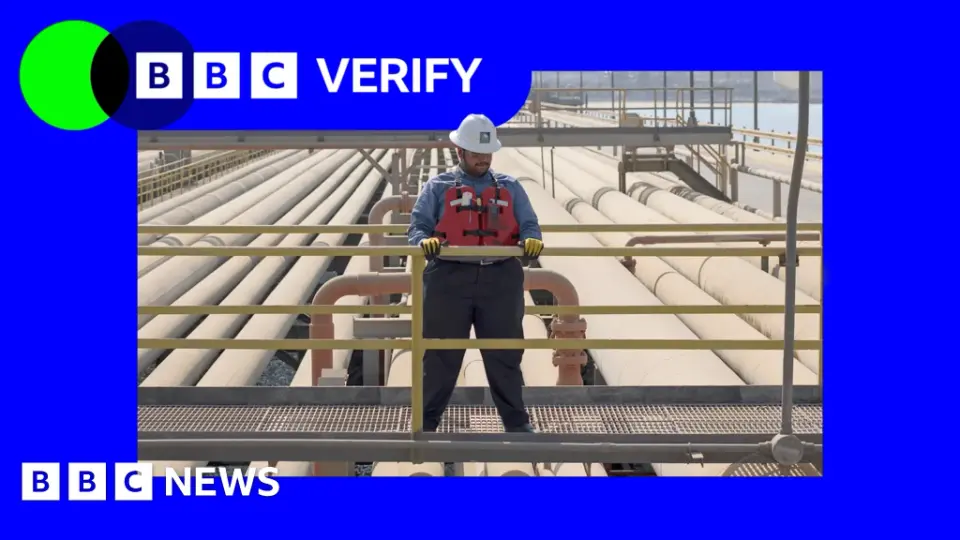
Oil exports from the Middle East have recovered to nearly 92% of pre-war levels, driven by US military escorts, ship-to-ship transfers, and pipeline rerouting. However, Brent crude remains near $100 per barrel due to persistent geopolitical risks, damaged refineries, and depleted global stockpiles.
Key points
- Daily oil flow from the Middle East reached 92% of its pre-war baseline in late September, according to Kpler.
- Approximately 40% of regional oil exports now bypass the Strait of Hormuz via pipelines to Red Sea and Gulf of Oman ports, up from 17% before the conflict.
- US military assistance, including air support and escorting vessels through the southern route, has increased by a third in September compared to August.
- Brent crude prices remain near $100 per barrel despite the supply rebound, as traders price in the risk of renewed hostilities and lower global stockpiles.
- Refined product exports, such as jet fuel and diesel, remain at roughly half of 2025 averages due to damaged refineries and higher transport risks.
Background
This recovery follows a seven-month disruption caused by the US-Israel war with Iran, which effectively closed the Strait of Hormuz. Recent US military buildups, including the deployment of a third carrier strike group, have heightened tensions, while earlier concerns about election timing and Iranian leverage over global energy supplies have shaped market expectations.
How outlets are covering it
BBC Verify and Kpler emphasize the structural shift toward pipeline reliance and shuttle tankers as sustainable workarounds, noting that 40% of exports now bypass the strait. El País highlights the 'great cost' of this recovery, warning that increased traffic does not equate to safety, as attacks on vessels continue. The New York Times focuses on the disconnect between physical supply and price, attributing high costs to depleted stockpiles and trader pessimism regarding a lasting peace. While all sources agree on the volume rebound, they differ on the sustainability of the status quo, with analysts from JP Morgan and Goldman Sachs noting that the current flow is cyclical rather than structural.
Why it matters
The partial restoration of oil flows does not guarantee price stability. The continued risk of Iranian escalation, combined with damaged infrastructure and reduced global buffers, means that energy markets remain vulnerable to sudden spikes, impacting global inflation and economic stability.
What to watch
Analysts expect the increased use of pipelines to become the 'new normal' for Gulf exports. However, the situation remains fragile; any escalation in Iranian attacks or a change in US policy could disrupt the current flow. Investors will closely watch for signs of a lasting peace or renewed conflict, which will determine whether oil prices can finally decline.
- Three reasons Middle East oil is nearly back to pre-Iran war levels BBC
- Middle East Crude Oil Exports Back at Prewar Levels, Analysts Say WSJ
- Tanker transits through Strait of Hormuz approach prewar figures EL PAÍS English
- Oil Is Flowing From the Persian Gulf, but Prices Remain High. Why? The New York Times
- Saudi Arabia Hikes Oil Flow on Key Pipeline to Over 80% Capacity Bloomberg.com
Want the full story? Read the original reporting
Read on BBC