
Record Port Volumes and Order Surges Signal Pre-Summit Trade Rush
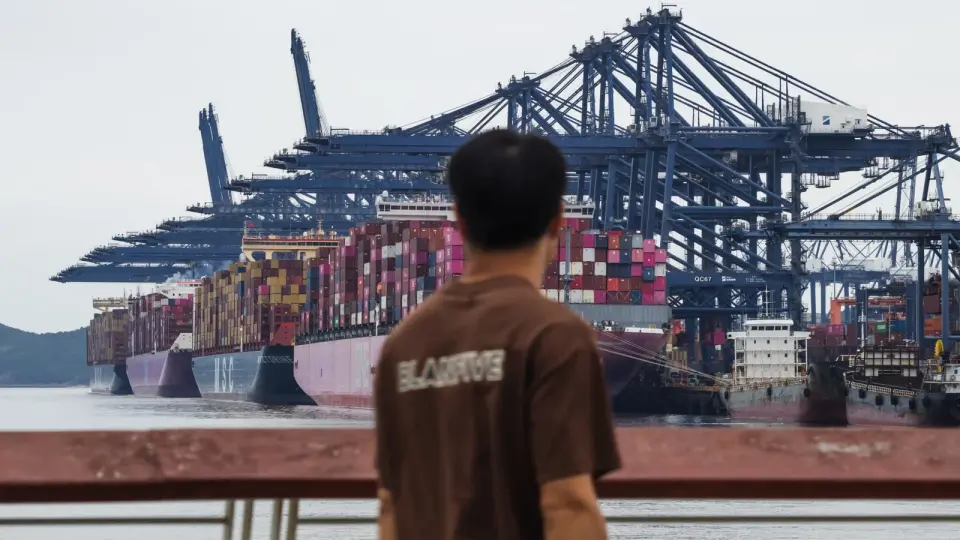
Chinese ports recorded their busiest week ever in late September, driven by a surge in US-bound orders ahead of the Trump-Xi summit. A trade truce extension to January has eased immediate tariff fears, though overall domestic demand remains weak.
Key points
- Chinese ports handled a record 7.3 million containers in the week ending September 20, a 9% increase year-on-year.
- The China Beige Book survey showed US-bound order gauges jumped to 13 in September, up from -12 a year earlier.
- US Treasury Secretary Scott Bessent confirmed a two-month extension of the trade truce, pushing the deadline to January 10.
- The effective US tariff rate on Chinese goods remains around 23%, well above rates for other major partners.
- Eurasia Group raised the odds of continued bilateral stability to the highest level since Trump returned to office.
Background
This surge follows months of volatile trade data, including a strong August trade surplus of $119 billion. Recent diplomatic moves, including Xi’s visits to Egypt and India and Beijing’s engagement with Iran, have preceded this high-stakes US summit. Earlier warnings about potential 'battle' preparations and AI governance disputes underscore the fragile nature of current relations.
How outlets are covering it
CNBC highlights the 'surprise' nature of the order surge, attributing it to positioning for a friendlier summit outcome. The Maritime Executive emphasizes physical volume, noting that US ports like Los Angeles and Long Beach also recorded record August activity, suggesting a broader frontloading trend. Marine Insight points to AI infrastructure demand and higher semiconductor prices as structural drivers, while noting that EU officials are considering protectionist measures due to China’s 40% share of global container exports. While CNBC focuses on the diplomatic truce, The Maritime Executive notes that congestion and typhoons also impacted port operations, complicating the pure trade narrative.
Why it matters
The data indicates that businesses are actively frontloading shipments to avoid potential future tariff hikes, despite the current truce. This temporary boost masks underlying weaknesses in domestic demand and suggests that trade flows are highly sensitive to diplomatic signals. The extension of the truce provides short-term stability but does not resolve the structural issues of industrial overcapacity or the significant tariff differential between China and other US trading partners.
What to watch
The immediate focus is on the outcome of the Trump-Xi summit, where Washington may seek faster rare-earth export approvals and increased US agricultural purchases. The US is expected to delay a report on industrial overcapacity tariffs until after the summit. Future meetings are anticipated at the APEC summit in Shenzhen in November and potentially the G20 in Miami in December, though no bilateral meeting has been confirmed yet.
- China saw 'surprise' jump in U.S. orders ahead of Trump-Xi summit, private survey shows CNBC
- China’s Trade Volumes Hit Record in Week Before Trump-Xi Summit Bloomberg.com
- Chinese Ports Had Busiest Week Ever for Containers, Says Bloomberg The Maritime Executive
- China’s Record Port Traffic Signals Export Rush Ahead Of Xi-Trump Summit Amid Tariff Uncertainty Marine Insight
- Tianjin Executive Breakfast Briefing with Chairman James Zimmerman American Chamber of Commerce in China
Want the full story? Read the original reporting
Read on CNBC