
global-trade6.025 min read
Berlin and Paris propose 'second-strike' tool to cut off EU market access
4 days ago•Source: Financial Times

The latest global trade stories, each synthesized from multiple sources with added background and context.
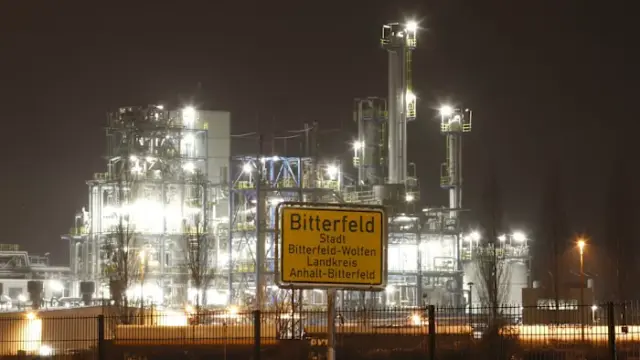
China’s Ministry of Commerce has opened an anti-dumping investigation into European exports of p-nitrotoluene, a chemical used in dyes and pharmaceuticals. This move follows a surge in EU trade actions against Chinese goods and precedes critical talks between EU and Chinese officials in October.
NBC News•11 days ago
Treasury Secretary Scott Bessent confirmed that the United States and China have agreed to extend their bilateral trade truce until January 10, 2026. The extension follows an unscheduled meeting between Bessent and Chinese Vice Premier He Lifeng. This diplomatic move precedes Chinese President Xi Jinping’s state visit to Washington, his first since 2015, where leaders will discuss trade, artificial intelligence, and geopolitical tensions. The agreement aims to stabilize markets and provide a window for further negotiations ahead of the summit.

The US commerce department is proposing a rule to tie exports of Nvidia and AMD AI data-center chips to foreign buyers’ pledges to invest in US AI infrastructure, using a tiered licensing system based on chip computing power. The approach echoes earlier Middle East deals and would not affect China. Nvidia’s Jensen Huang reportedly agreed that 25% of revenues from H200 exports would go to the US government as a licensing condition, and the rule remains under inter‑agency review.
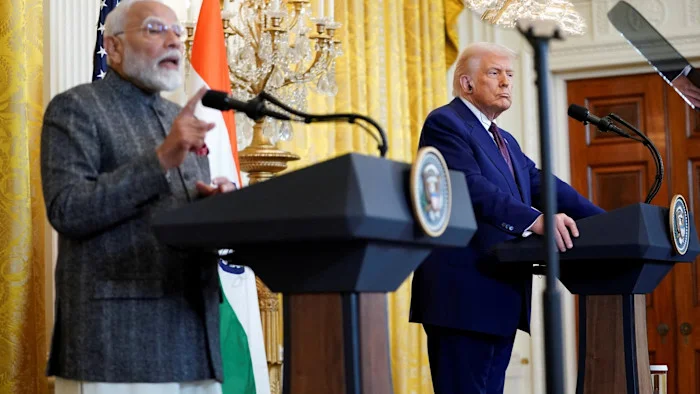
US President Donald Trump said the United States will cut India’s tariffs from 50% to 18% after Narendra Modi allegedly agreed to stop buying Russian oil, a move that also includes a pledge for India to increase purchases of American goods; Modi hinted that Made in India products will face an 18% tariff. Analysts expressed skepticism about the $500 billion Buy American claim and questioned whether India will truly zero its tariffs for US goods, noting India’s still-strong oil ties with Russia and the likelihood that tariff reductions will be more limited in practice.
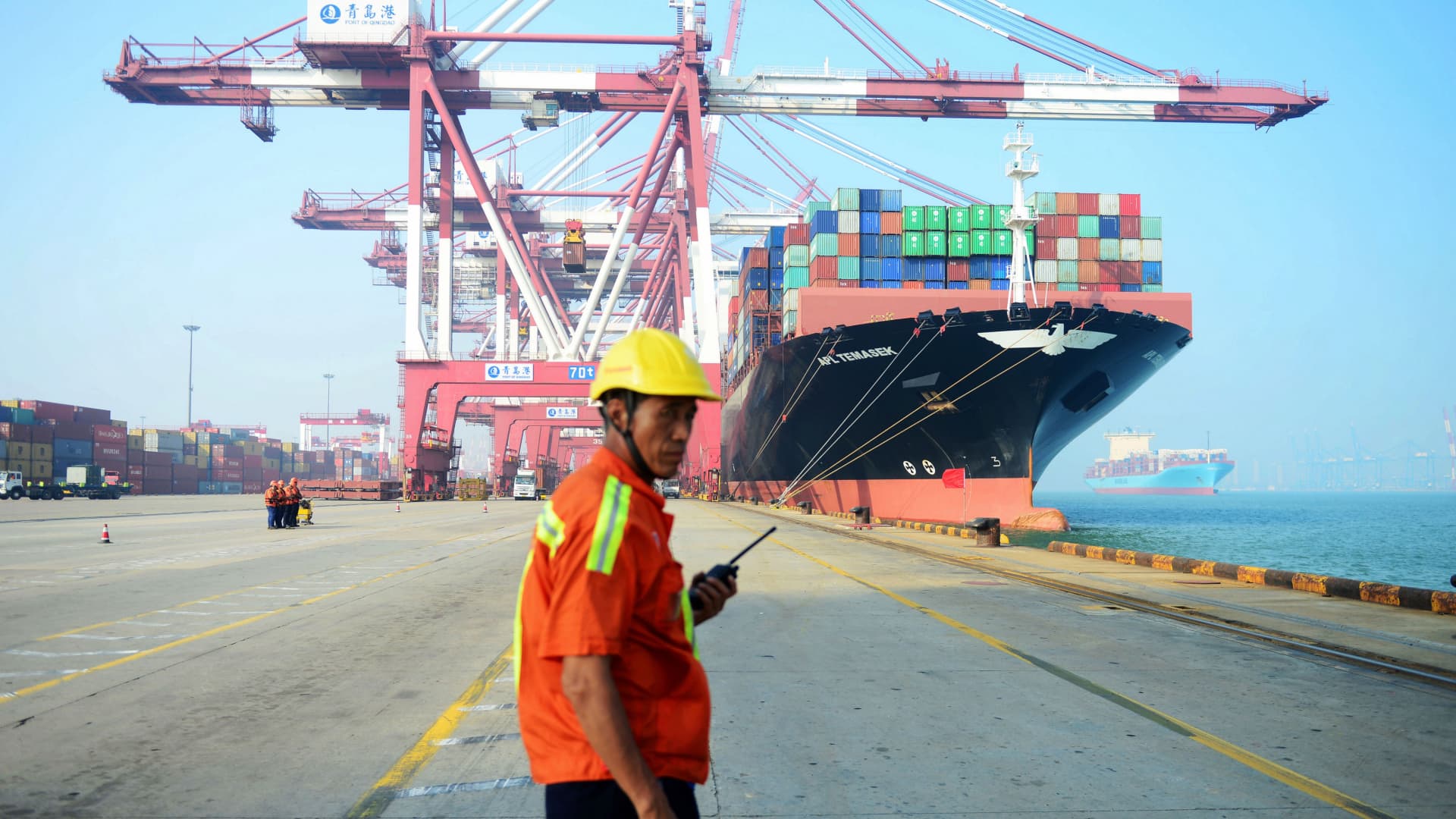
A sudden shortage of shipping containers has caused ocean freight rates to spike dramatically, disrupting global trade. Factors such as peak shipping season, longer transit routes to avoid the Red Sea, and bad weather in Asia have exacerbated the situation. Ocean carriers are skipping ports and reducing port time, leading to fewer empty containers being available. This has resulted in increased costs for shipping consumer goods, with rates expected to rise further. The situation is reminiscent of the supply chain chaos during the COVID-19 pandemic, with logistics providers warning of continued challenges and higher costs being passed on to consumers.
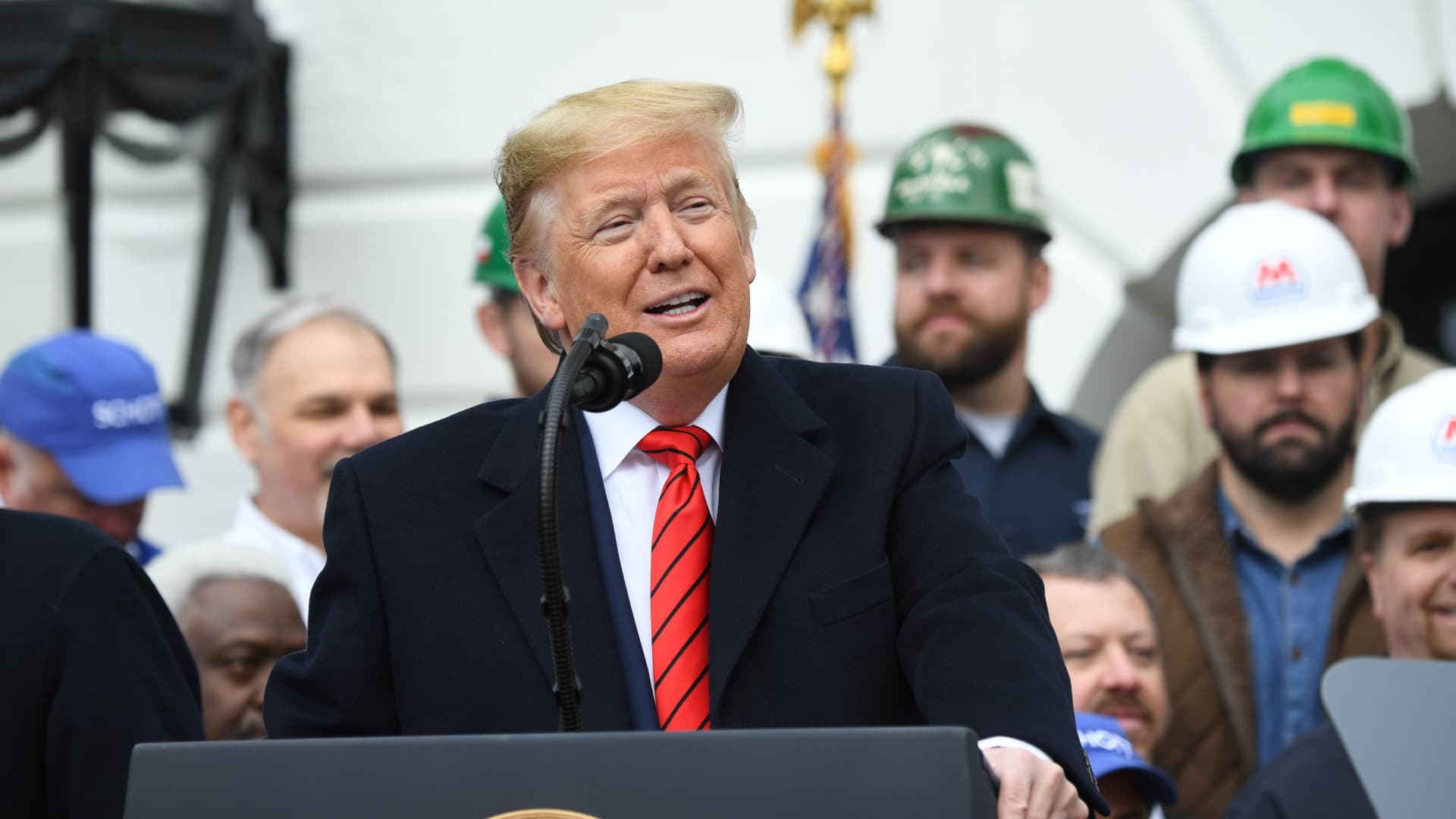
Global logistics companies are preparing for the potential of a Trump win in November and the resulting trade war with China, with Mexico emerging as a key import gateway to mitigate additional tariffs. The Trump administration's tariffs have already prompted a shift in supply chain strategy, with companies considering diversifying away from China into other countries. Mexico is seen as a significant beneficiary of this shift, with Chinese companies setting up operations there to avoid tariffs. However, critics warn of potential economic disaster and inflationary effects if higher tariffs are imposed.
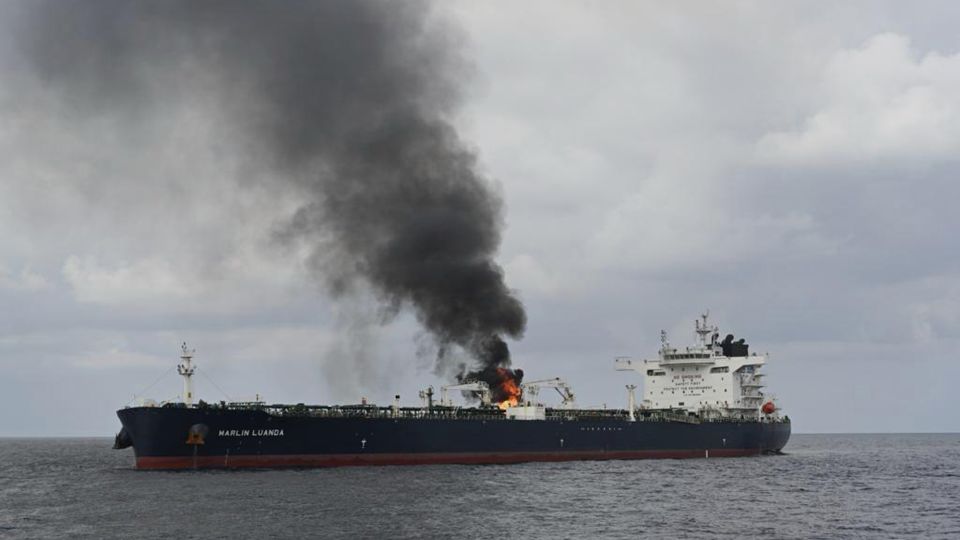
Attacks on container vessels in the Red Sea by Iran-backed Houthi militants have caused significant disruptions to global trade, leading to weeks of delays and an estimated $1 million in extra costs per ship for rerouting around the area. This has prompted concerns about potential consumer price rises and supply chain disruptions, with shipping companies experiencing increased fuel and insurance costs, as well as higher freight rates. While the current crisis has impacted global shipping costs, it is not as severe as the pandemic peak, and the inflation outlook will depend on factors such as the duration of the crisis and potential escalation of the Israel-Hamas conflict.
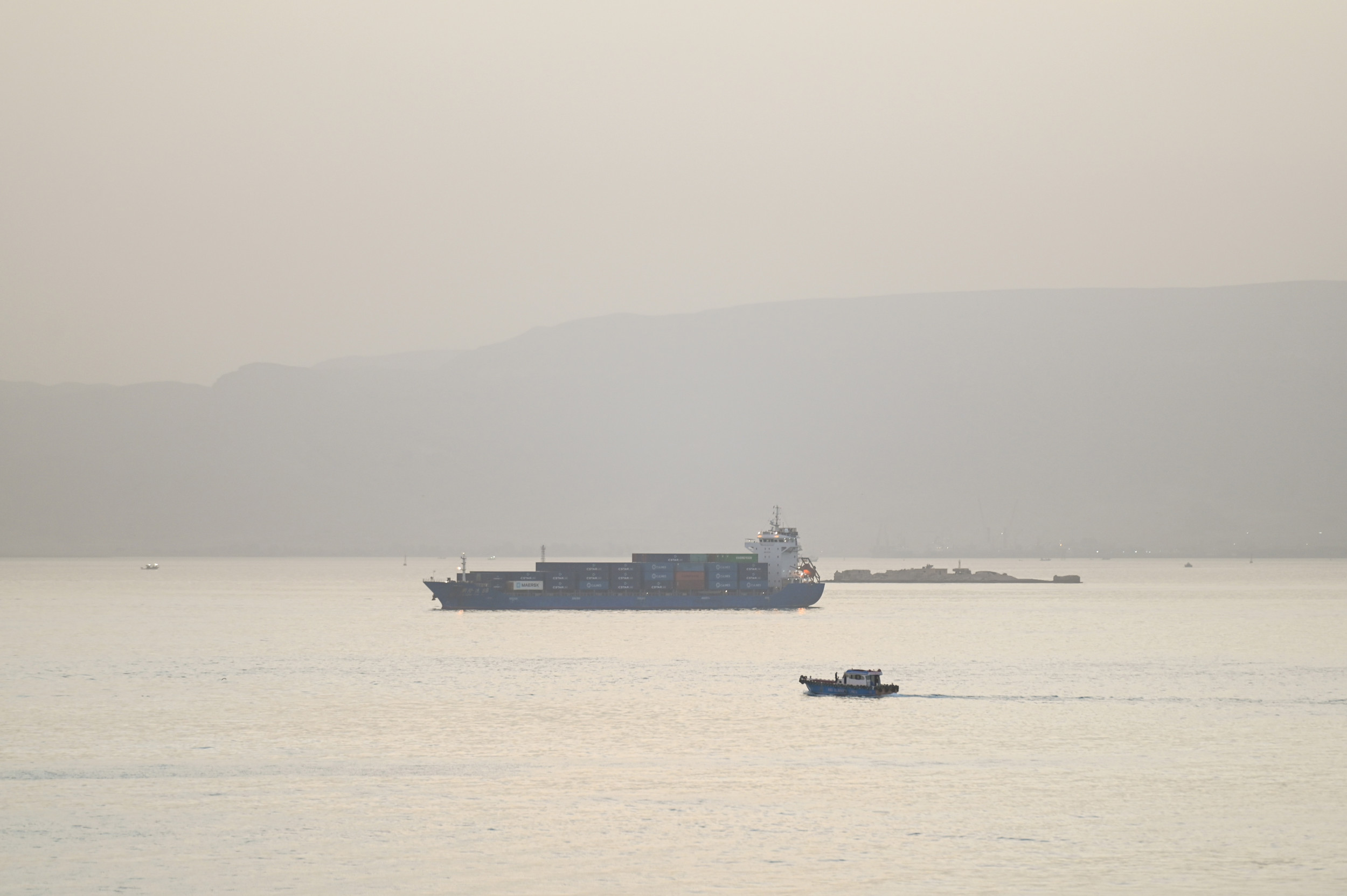
The escalation of clashes in the Red Sea, including U.S. strikes against Yemen's Houthi rebels, may disrupt global supply chains, potentially leading to increased shipping costs and higher prices for consumer goods. The disruptions in the Red Sea, compounded by a drought affecting the Panama Canal, could impact trade routes for goods from Asia to Western countries, with potential effects on global inflation. However, experts note that companies are seeking alternative transportation methods to mitigate the impact, and the current balance of supply and demand in the goods market may help limit upward pressure on container rates.
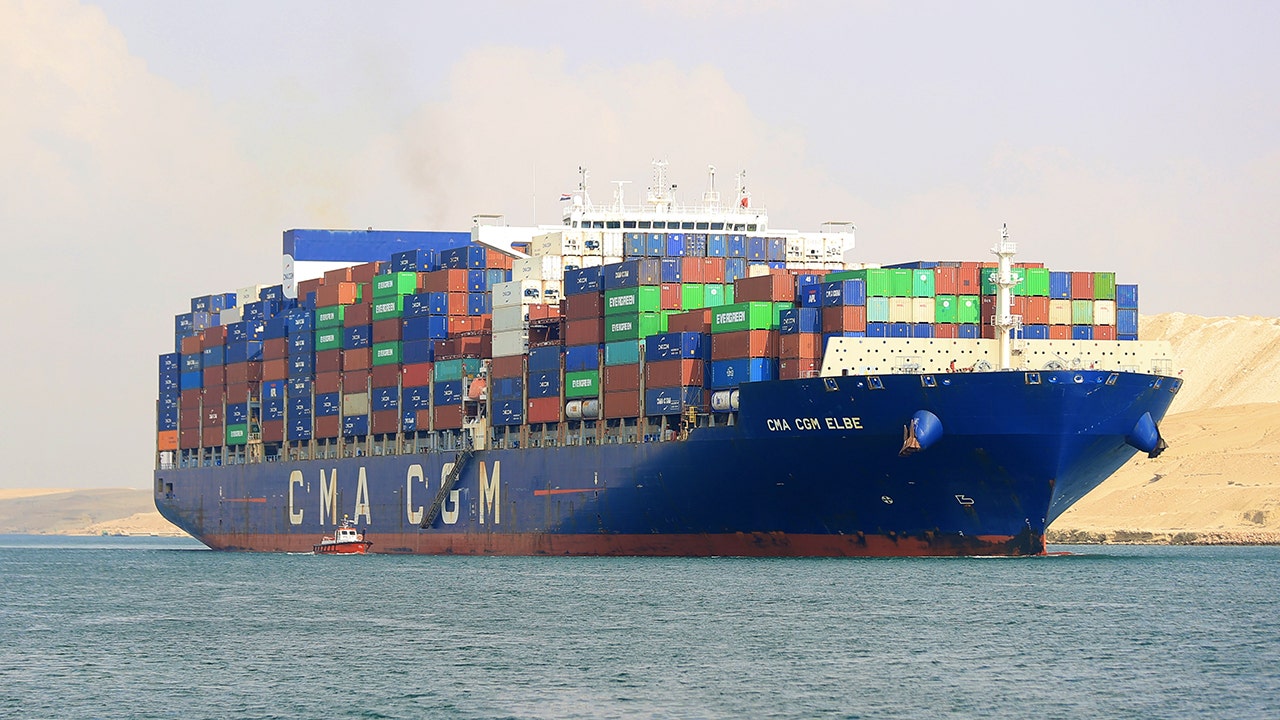
Global shipping rates have surged as Houthi attacks on commercial vessels in the Red Sea prompt diversions and surcharges, with rates for shipping from Asia to Northern Europe spiking 461%. About 15% of world shipping traffic passes through the Suez Canal, but many ships are now circumventing Africa due to the attacks. The disruptions are causing significant cost increases, delays, and fears of inflation, with concerns about the impact on global trade routes and potential consequences for global growth.
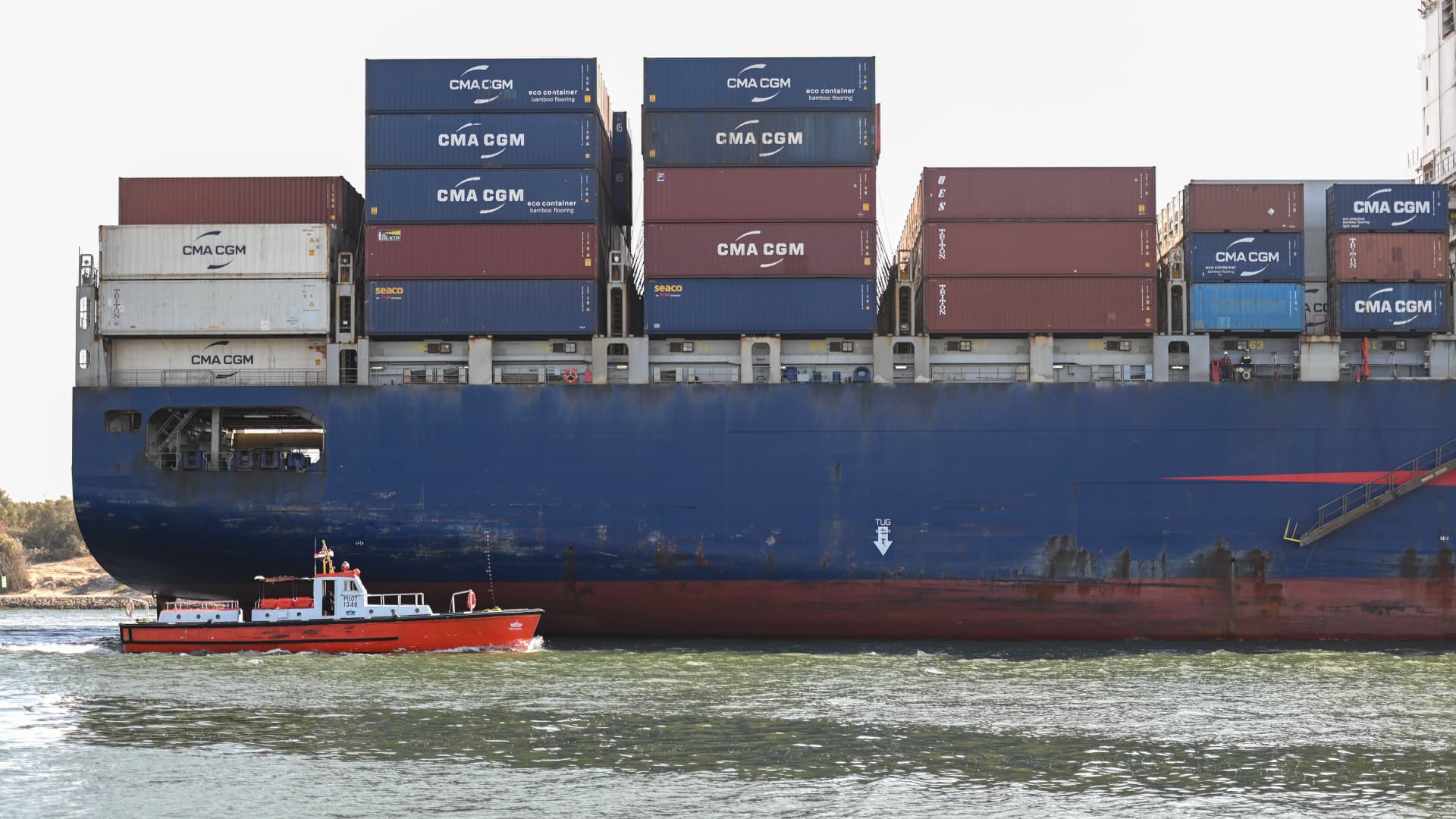
Attacks in the Red Sea have disrupted global trade, causing shipping costs to spike and raising concerns about potential inflation. The diversion of container ships from the Suez Canal has led to significant impacts on freight rates, affecting trade between Asia and Europe as well as between Asia and the U.S. East and West Coasts. The crisis could potentially stall the fight against inflation, impacting consumer prices and the Federal Reserve's decision-making. The disruptions, compounded by issues at the Panama Canal, may lead to supply chain challenges and increased costs for retailers and shipping companies.
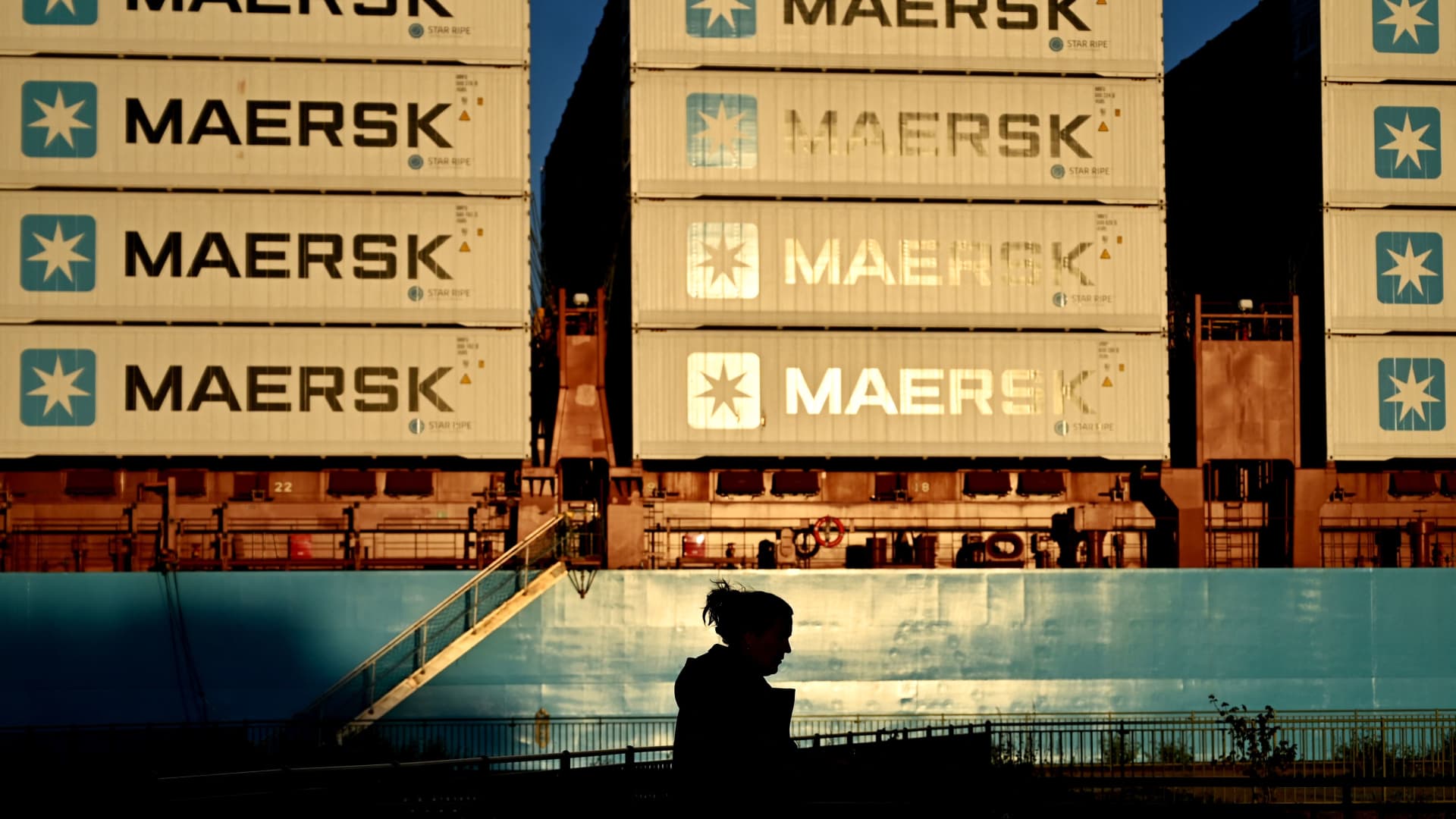
Ongoing disruption to trade flows through the Red Sea, due to attacks by Houthi militants, could have significant consequences on global growth, according to Maersk CEO Vincent Clerc. The company has diverted its vessels from the Red Sea for the foreseeable future, leading to potential delays and increased freight rates. The situation has been further complicated by a wave of strikes in Germany and the hijacking of an oil tanker near the Gulf of Oman, prompting concerns about potential product delays and escalating conflict in the Middle East.