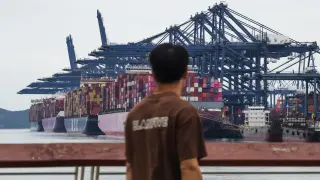
Chinese ports recorded their busiest week ever in late September, driven by a surge in US-bound orders ahead of the Trump-Xi summit. A trade truce extension to January has eased immediate tariff fears, though overall domestic demand remains weak.
US officials assert that Chinese satellite imagery and dual-use components have significantly enhanced Iran’s ability to target US military assets, including a July strike in Jordan that killed three service members. While Beijing denies providing military support, US lawmakers are pressuring President Trump to sanction Chinese entities during Xi Jinping’s state visit. The dispute highlights a sharp divergence in how Washington and Beijing view the conflict, with Iran leveraging the aid to maintain pressure on US forces despite ongoing diplomatic efforts.
The White House released a report accusing over 40 countries of facilitating Chinese tariff evasion through transshipment, a practice estimated to cost the US $19–26 billion annually. The report, titled 'The Great Transshipment Scam,' highlights how goods are rerouted through third nations to avoid higher duties. Trade adviser Peter Navarro warned that this 'fraud cloaked in paperwork' undermines US revenue and jobs. The US is deploying AI tools to detect these shipments ahead of a planned September meeting between President Trump and Chinese leader Xi Jinping. China’s embassy rejected the claims, stating that trade wars have no winners and opposing unilateral actions that harm third parties.
China has launched a series of retaliatory measures against the United States, including new sanctions on American firms and tightened export controls on drones, in response to recent US restrictions on Chinese technology and labor practices. These actions, described by Beijing as 'restrained,' occur just weeks before a scheduled summit between President Donald Trump and Chinese leader Xi Jinping. The escalation highlights growing tensions in the tech sector, particularly regarding drones and robotics, while both nations attempt to maintain a fragile 'constructive strategic stability' amid widening trade disputes.
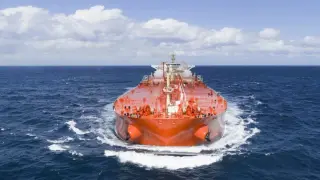
Beijing and Washington failed to produce a framework to stabilize Iran or reopen the Strait of Hormuz, revealing deep U.S.–China divisions and leaving Hormuz structurally vulnerable to disruption, which threatens global shipping and energy markets without a multinational maritime-security framework.
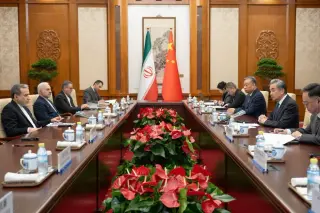
China is intensifying its diplomacy with Iran, with Foreign Minister Wang Yi meeting Iranian counterpart Abbas Araghchi in Beijing, signaling Beijing's push to shape Middle East alignments ahead of a Trump-Xi summit.
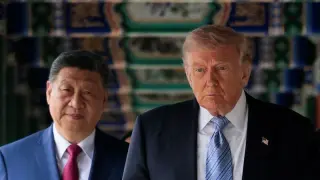
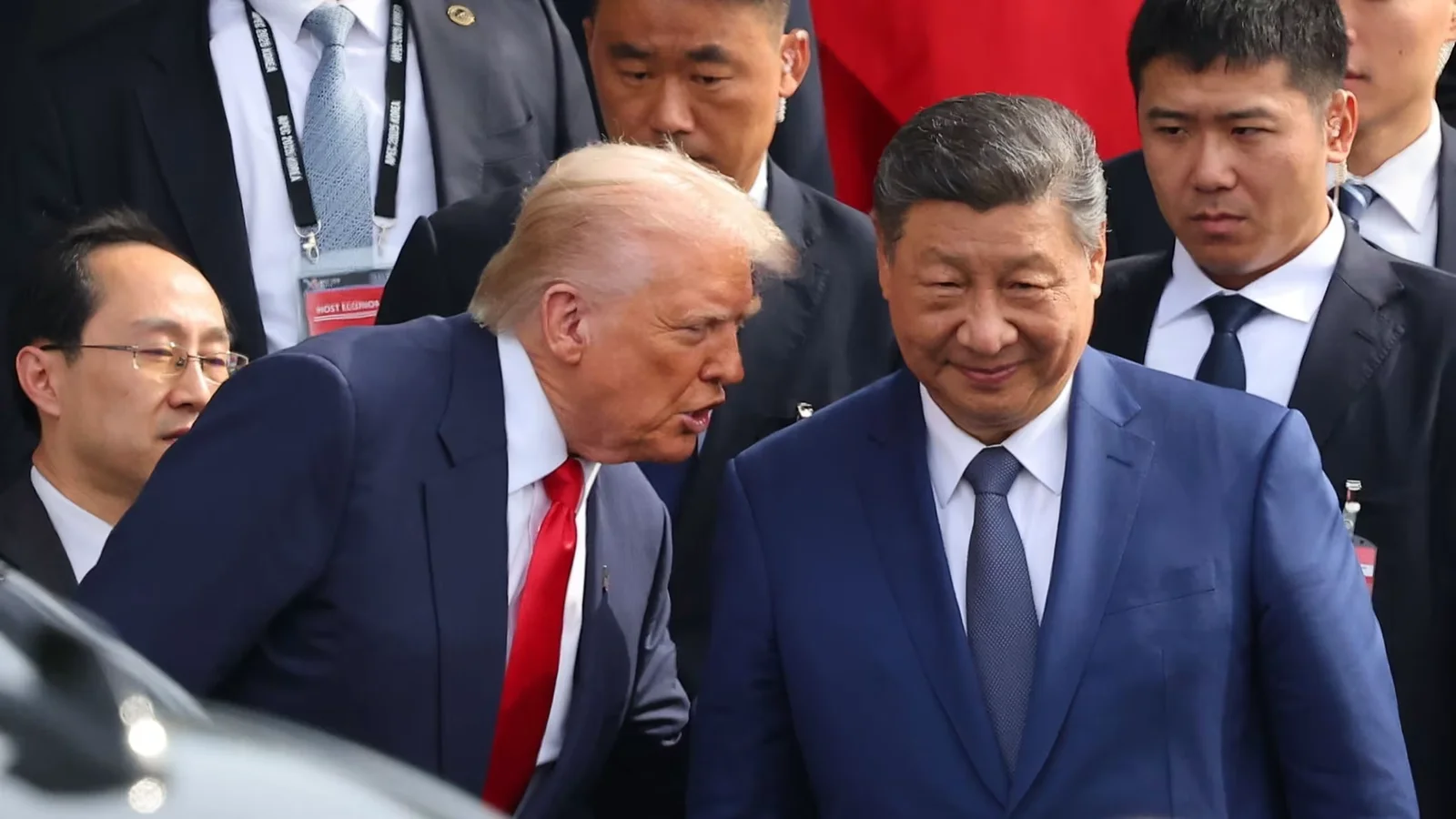
The article discusses a summit between Xi Jinping and Donald Trump, highlighting China's growing confidence on the global stage as a peer to the United States, reflecting shifts in international diplomacy and power dynamics.