
San Francisco legalizes home-cooked food sales to ease vendor costs
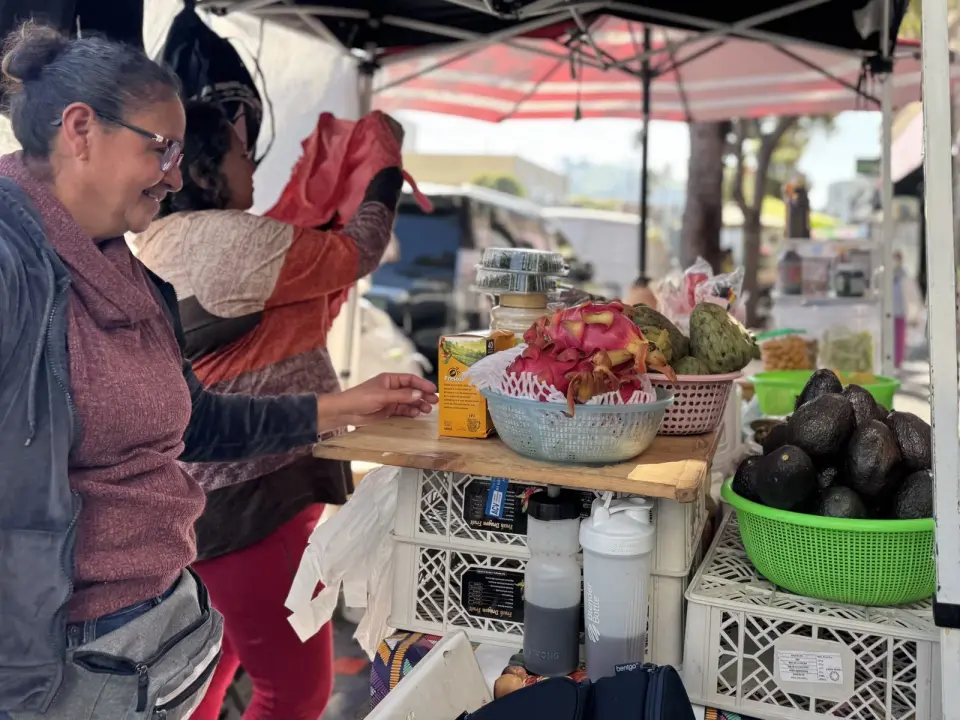
The San Francisco Board of Supervisors unanimously approved the Microenterprise Home Kitchen Operations (MEHKO) program on November 10, 2026. This ordinance allows residents to prepare and sell food from their homes, pushcarts, or wagons, provided they pass health inspections and pay an $828 annual fee. The move responds to vendor complaints about the high cost of mandatory commissary kitchens, which average $1,000 monthly. While proponents highlight economic relief for immigrant-owned businesses, critics raise concerns regarding fire safety, competition with established restaurants, and the permit fee. The program caps home-based sales at 90 meals and $100,000 annually, with higher limits for cart operators. Implementation details and start dates remain pending, though the city estimates a half-million-dollar setup cost.
Key points
- Supervisors voted unanimously to adopt MEHKO, a state-authorized program allowing home-based food sales.
- Applicants must pass a Department of Public Health inspection, a food safety exam, and pay an $828 annual fee.
- Home-based sellers are limited to 90 meals and $100,000 in annual sales; cart operators can sell up to 200 meals and $200,000.
- The legislation follows earlier regulations requiring expensive commissary kitchens, which vendors argued were unaffordable.
- Renters must obtain landlord approval to operate under the new rules.
- The program is estimated to cost the city approximately $500,000 to implement.
Background
San Francisco had previously passed regulations requiring street vendors to use certified commissary kitchens, which cost an average of $1,000 per month. Vendors argued these costs were prohibitive and requested the adoption of the Microenterprise Home Kitchen Operations (MEHKO) program instead. MEHKO was established by state law in 2018, allowing local jurisdictions to opt in. Several Bay Area counties, including Alameda, Contra Costa, and Santa Clara, have already implemented similar programs. The new ordinance aims to provide a more affordable alternative to commercial kitchen rentals while maintaining food safety standards.
How outlets are covering it
Mission Local and The SF News emphasize the economic relief for street vendors, particularly immigrant women and single mothers, and note the low volume of complaints in neighboring counties that have adopted MEHKO. KALW highlights the affordability of the $828 fee compared to commercial kitchen rents. Local News Matters focuses on the demographic impact, noting that the program benefits often-overlooked communities. However, some residents and commenters expressed concerns about fire safety, the potential for unfair competition against established restaurants, and the high cost of the permit fee. Supervisor Myrna Melgar praised the measure for supporting immigrant entrepreneurs, while Mayor Daniel Lurie highlighted its potential to help small businesses grow into brick-and-mortar establishments.
Why it matters
The legalization of home-cooked food sales provides a critical economic lifeline for small food entrepreneurs in San Francisco, particularly those from immigrant communities who struggle with the high costs of commercial kitchen rentals. By lowering barriers to entry, the city aims to preserve diverse culinary traditions and support small business growth. However, the policy also raises questions about food safety, fire risks, and the impact on existing restaurant businesses, highlighting the ongoing tension between regulatory compliance and economic accessibility in urban food systems.
What to watch
The city is currently determining the timeline for implementing the MEHKO program. No specific start date has been set. The Department of Public Health will develop the inspection and certification process for home kitchens. Applicants will need to submit details on ingredients, storage, and equipment cleanliness, and pass a food safety manager certification exam. The annual sales caps will be adjusted for inflation each year.
- San Francisco legalizes home restaurants, a win for city’s street vendors Mission Local
- A recipe for opportunity: San Francisco will allow vendors to sell home-cooked food Local News Matters
- San Francisco legalizes home cooking for street vendors KALW
- San Francisco Approves Home Kitchen Food Business Law www.thesfnews.com
- SF: Supes Approve Legislation That Will Allow Vendors To Sell Home-Cooked Food SFGATE
Want the full story? Read the original reporting
Read on Mission Local