
Novartis Lp(a) Trial Failure Shakes Cardiovascular Market and Rivals
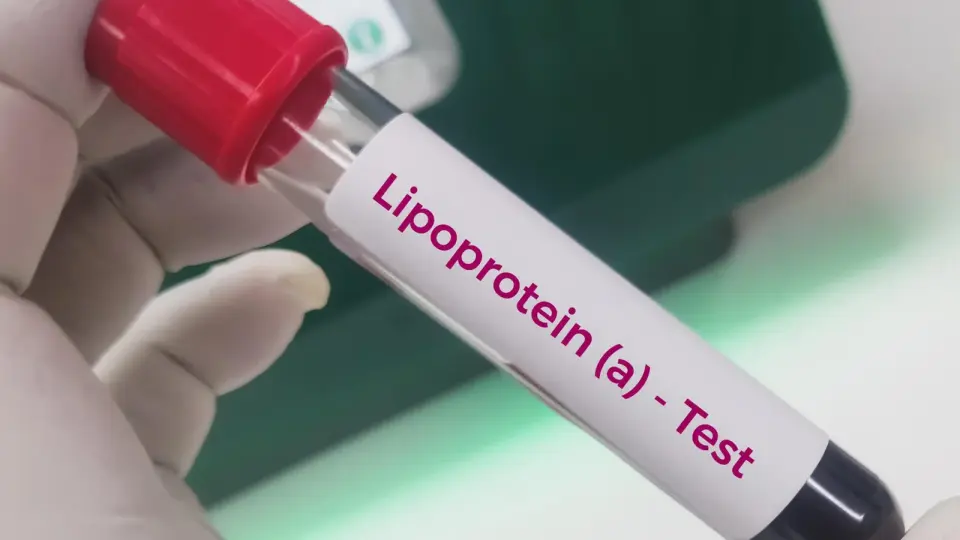
Novartis reported that its experimental drug pelacarsen failed to significantly improve cardiovascular outcomes in a late-stage trial, despite lowering lipoprotein(a) levels. The setback has raised concerns about the viability of the entire Lp(a) drug class, impacting competitors like Amgen and Eli Lilly. While the hypothesis that lowering Lp(a) reduces heart risk is not disproven, the failure casts doubt on a potential multi-billion dollar market and impacts Novartis's patent cliff strategy.
Key points
- Novartis announced that pelacarsen, developed with Ionis Pharmaceuticals, failed to show significant cardiovascular benefits in a trial of over 8,000 patients, despite reducing Lp(a) levels.
- The failure has shaken confidence in the Lp(a) drug class, causing shares of Amgen and Ionis to drop, with Amgen falling approximately 5% and Ionis sinking 10% in extended trading.
- Analysts note that while the Lp(a) hypothesis is weakened, it is not disproven; other drugs like Amgen's olpasiran and Eli Lilly's lepodisiran use different mechanisms that may achieve deeper reductions.
- Novartis faces a steepest patent cliff in its history, with the failure of pelacarsen impacting its strategy to offset losses from blockbuster drugs like Entresto losing patent exclusivity.
- The trial results have raised questions about whether the failure reflects the drug's mechanism, trial design, or a broader challenge to the Lp(a) hypothesis, with full results expected at an upcoming medical congress.
Background
Lp(a) is a genetic risk factor for cardiovascular disease affecting roughly one in five people worldwide, with no approved targeted treatments. The Lp(a) drug race has been a major focus in pharma, with Novartis, Amgen, and Eli Lilly leading the charge. Earlier coverage highlighted the potential for a multi-billion dollar market and the importance of late-stage trials in proving that lowering Lp(a) can prevent heart disease. The recent failure of pelacarsen is the first major setback in this race, raising stakes for competitors and the broader industry.
How outlets are covering it
CNBC emphasizes the impact on the broader Lp(a) drug race and the financial implications for Novartis, Amgen, and Eli Lilly, noting that the failure raises risks for a market expected to be worth billions. The New York Times highlights the shock to the cardiology field, with Dr. David Maron describing the failure as a 'huge blow' and questioning the future of Lp(a) treatments. FierceBiotech focuses on the broader context of Novartis's recent clinical readouts, noting that the pelacarsen failure is part of a series of setbacks, including the failure of del-desiran in myotonic dystrophy, which has dented Novartis's share price and raised doubts about its mid- and long-term sales potential. Analysts from Citi and Jefferies offer differing views on the implications, with Citi noting that the Lp(a) hypothesis is weakened but not disproven, while Jefferies suggests that improving standards of care may make it harder for experimental drugs to prove added benefits.
Why it matters
The failure of pelacarsen has significant implications for the pharmaceutical industry, particularly for companies investing in Lp(a) treatments. It raises questions about the viability of the Lp(a) drug class and the potential for a multi-billion dollar market. The setback also impacts Novartis's strategy to offset losses from patent cliffs and could influence the development of other cardiovascular drugs. For patients, the failure means that the promise of a new era in heart disease prevention may be delayed, and for investors, it signals increased risk in the Lp(a) drug space.
What to watch
Novartis plans to present full results of the pelacarsen trial at an upcoming medical congress, which may provide more details on the magnitude of Lp(a) lowering and cardiovascular risk reduction. Competitors like Amgen and Eli Lilly will likely face increased scrutiny as they continue to develop their own Lp(a) treatments. The industry will need to determine whether the failure reflects the drug's mechanism, trial design, or a broader challenge to the Lp(a) hypothesis. Novartis will also need to reassess its strategy for addressing its patent cliff and may focus on other late-stage programs, including those acquired from Avidity Biosciences.
- Cholesterol drug setback casts doubt over multibillion-dollar race CNBC
- Another Heart Drug Fails, Shocking Cardiologists The New York Times
- Novartis shares sink on second pipeline setback this week Reuters
- Novartis’ centerpiece of $12B Avidity buyout flunks ‘crucial’ phase 3 test fiercebiotech.com
- Novartis’s Latest Trial Setback Sinks Stock WSJ
Want the full story? Read the original reporting
Read on CNBC