Tag

Novartis

All articles tagged with #novartis

Lp(a) Hypthesis Survives HORIZON Trial Failure as Pipeline Drugs Show Stronger Reductions
health-and-medicine5 days ago

Lp(a) Hypthesis Survives HORIZON Trial Failure as Pipeline Drugs Show Stronger Reductions

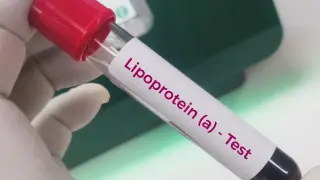
The disappointing results of the Lp(a)HORIZON trial, which showed that the drug pelacarsen did not reduce major cardiovascular events despite lowering lipoprotein(a) levels, have not ended the search for Lp(a)-targeted therapies. Experts argue that differences in drug potency and trial design mean that other phase 3 trials, such as Amgen’s OCEAN(a) and Eli Lilly’s ACCLAIM-Lp(a), may still succeed. While pelacarsen reduced Lp(a) by 80%, newer small interfering RNA therapies achieve reductions exceeding 90%. Although the HORIZON failure raises questions about whether Lp(a) is a viable treatment target or merely a risk marker, clinicians emphasize that Lp(a) remains a crucial diagnostic tool for assessing cardiovascular risk.

Novartis Secures Chinese mRNA Therapy in $7.8B Deal Amid Pipeline Pressures

Novartis Secures Chinese mRNA Therapy in $7.8B Deal Amid Pipeline Pressures

Novartis has agreed to pay up to $7.8 billion for exclusive worldwide rights to ABO2203, an early-stage mRNA-based T-cell engager developed by Chinese biotech Abogen Biosciences. The agreement includes a $575 million upfront payment and up to $7.2 billion in milestone payments. The therapy targets autoimmune diseases by depleting B cells using an in vivo approach that avoids traditional manufacturing complexities. This deal follows recent setbacks in Novartis’s own CAR-T programs and reflects a broader trend of Western pharmaceutical companies partnering with Chinese developers to secure future pipeline growth.

Novartis Acquires Chinese Autoimmune Therapy for $7.8B Amid Patent Cliff Pressures
biotechnology11 days ago

Novartis Acquires Chinese Autoimmune Therapy for $7.8B Amid Patent Cliff Pressures

Novartis has agreed to pay up to $7.8 billion for Abogen Biosciences' mRNA-based T-cell engager, ABO2203, targeting autoimmune diseases. The deal includes a $575 million upfront payment and grants Novartis global rights to the asset plus an option to license other RNA-platform assets. This move follows recent setbacks in Novartis's CAR-T programs and reflects a broader trend of Western pharma companies partnering with Chinese biotechs to secure future pipeline growth.

Novartis expands radioligand pipeline with $900M Chinese licensing deal
biotechnology20 days ago

Novartis expands radioligand pipeline with $900M Chinese licensing deal

Novartis has secured exclusive global rights to an undisclosed preclinical radioligand therapy from Suzhou-based BoomRay Pharmaceuticals in a deal valued at up to $900 million. The agreement includes an upfront payment, development and regulatory milestones, and sales royalties. This move strengthens Novartis' oncology portfolio following recent setbacks in other therapeutic areas and follows a similar deal with another Chinese biotech earlier this year.

Telix Acquires ITM Isotope in $1.65B Deal to Challenge Novartis in Radiopharma
biotech22 days ago

Telix Acquires ITM Isotope in $1.65B Deal to Challenge Novartis in Radiopharma

Telix Pharmaceuticals has agreed to acquire ITM Isotope Technologies Munich for $1.65 billion upfront, with potential additional payments of up to $700 million. The deal aims to create a major competitor to Novartis in the radiopharmaceutical market by combining Telix’s pipeline with ITM’s manufacturing network and lead candidate ITM-11. Although the FDA recently rejected ITM-11 over manufacturing issues, analysts remain optimistic about the combined entity’s growth potential.

Telix Acquires ITM Isotope for $1.65B to Challenge Novartis in Radiopharma
biotechnology22 days ago

Telix Acquires ITM Isotope for $1.65B to Challenge Novartis in Radiopharma

Telix Pharmaceuticals is acquiring ITM Isotope Technologies in a deal valued at at least $1.65 billion, with potential additional payments reaching $2.35 billion. The merger follows a surprise FDA rejection of ITM’s lead drug, ITM-11, due to manufacturing issues. The combined entity aims to vertically integrate radiopharmaceutical supply chains and challenge Novartis’s dominance in the field.

Novartis Halts ALS Drug After Phase 2 Failure, Deepening R&D Slump
biotech27 days ago

Novartis Halts ALS Drug After Phase 2 Failure, Deepening R&D Slump

Novartis has discontinued its amyotrophic lateral sclerosis (ALS) drug candidate VHB937 after a phase 2 trial failed to meet primary and secondary endpoints. The decision follows a series of recent clinical setbacks for the company, including failures in cardiovascular and muscle-wasting therapies, and prompts questions about its research strategy. While the ALS program is scrapped, development of the same drug for Alzheimer’s disease continues, as target validation remains stronger in that area. The company has also acquired a brain delivery platform from Sironax to bolster its neuroscience pipeline.

Novartis Halts ALS Drug VHB937 After Phase 2 Trial Misses All Endpoints
pharma27 days ago

Novartis Halts ALS Drug VHB937 After Phase 2 Trial Misses All Endpoints

Novartis has discontinued development of VHB937, an experimental drug for amyotrophic lateral sclerosis (ALS), after its Phase 2 trial failed to meet primary and secondary endpoints. The trial, known as Astrals, involved 251 patients with early-stage ALS and compared the TREM2 stabilizer against a placebo. This setback extends a recent string of R&D failures for the Swiss pharmaceutical giant, including missed targets in cardiovascular and muscle-wasting disease trials. While the ALS program is scrapped, Novartis is continuing Phase 2 testing of the same compound for Alzheimer’s disease, where the target mechanism is considered more robust. The failure adds to a broader trend of unsuccessful clinical trials for TREM2-based therapies across the industry.

Promising Lp(a)–Lowering Drug Falls Short in Major Heart Trials
science1 month ago

Promising Lp(a)–Lowering Drug Falls Short in Major Heart Trials

Three companies tested drugs that dramatically lower the blood protein Lp(a) to prevent heart attacks and strokes. Novartis revealed that although the therapy reduced Lp(a) by up to 80%, it did not reduce cardiovascular events, a surprising setback that raises questions about whether Lp(a) is a causal factor or just a marker, with results from other trials still awaited at the upcoming American Heart Association meeting.

Investor urges board overhaul as Novartis grapples with costly deal setbacks
business1 month ago

Investor urges board overhaul as Novartis grapples with costly deal setbacks

A top investor, Artisan Partners’ David Samra, is pressuring Novartis to overhaul its board and tighten dealmaking after the costly $12 billion Avidity Biosciences acquisition flop and recent phase-3 setbacks like pelacarsen, which sent shares down more than 10% and wiped about $30 billion from market value. Samra criticized the deal team and called for stronger scrutiny of future acquisitions, though he did not fault CEO Vas Narasimhan. Novartis defended its disciplined capital allocation and pipeline strength, noting some deals (e.g., Chinook’s Vanrafia) have paid off and reaffirmed its sales guidance.

Novartis slumps after third trial setback in a week
business1 month ago

Novartis slumps after third trial setback in a week

Novartis’ Phase III failure of del-desiran for myotonic dystrophy type 1 sent shares down about 10%, marking the third drug-trial setback in a week and fueling questions about growth targets. Management will reassess the development path while sticking to a 5%-6% annual sales growth outlook to 2030, though analysts doubt the target without more M&A. Separately, remibrutinib showed positive MS results, but the broader pipeline and implications of the Avidity deal and patent expiries keep investors wary.

Novartis pelacarsen flop shakes up Lp(a) drug bets for Amgen and Lilly
health1 month ago

Novartis pelacarsen flop shakes up Lp(a) drug bets for Amgen and Lilly

Novartis announced that pelacarsen, its antisense drug targeting Lp(a), failed to reduce cardiovascular events in the Phase III Lp(a)HORIZON trial, despite lowering Lp(a) levels, in a study of 8,323 patients with established cardiovascular disease. The primary endpoint—a composite of cardiovascular death, non-fatal heart attack, non-fatal stroke, and urgent revascularization—was not met versus placebo. The result raises questions about the broader Lp(a) reduction approach and adds pressure to Amgen and Eli Lilly’s competing programs; full data will be presented at an upcoming medical congress. Analysts say the Lp(a) hypothesis is weakened but not disproven, pending further data.

Novartis DM1 drug flops in phase 3, clouding $12B Avidity deal
business1 month ago

Novartis DM1 drug flops in phase 3, clouding $12B Avidity deal

Novartis’ phase 3 Harbor trial of del-desiran failed to meet its primary endpoint in myotonic dystrophy type 1 (DM1), undermining the $12 billion acquisition of Avidity Biosciences and sending the stock lower in premarket trading. While some secondary signals were noted, the miss raises questions about del-desiran’s contribution to future sales; Novartis will review the full data with regulators to determine next steps. The company also continues with other Avidity assets—delpacibart zotadirsen for Duchenne and delpacibart braxlosiran for FSHD—pursuing next actions based on newer data and FDA discussions.

Novartis setback reshapes the Lp(a) drug race as Amgen and Lilly press on
business1 month ago

Novartis setback reshapes the Lp(a) drug race as Amgen and Lilly press on

Novartis disclosed that pelacarsen failed to produce a meaningful reduction in cardiovascular events in a late‑stage trial, despite lowering lipoprotein(a). The miss raises questions about the Lp(a) race but analysts say the hypothesis is weakened, not disproven, and more data are needed to determine if deeper Lp(a) lowering can reduce heart attacks and strokes. The news weighed on Novartis stock and trimmed bets on Amgen and Ionis, while Amgen’s olpasiran and Lilly’s lepodisiran face varied read‑throughs as other players continue to pursue a potential multi‑billion‑dollar market.