
New York’s Cyclosporia Surge: Uncertainty Drives Local Produce Shift
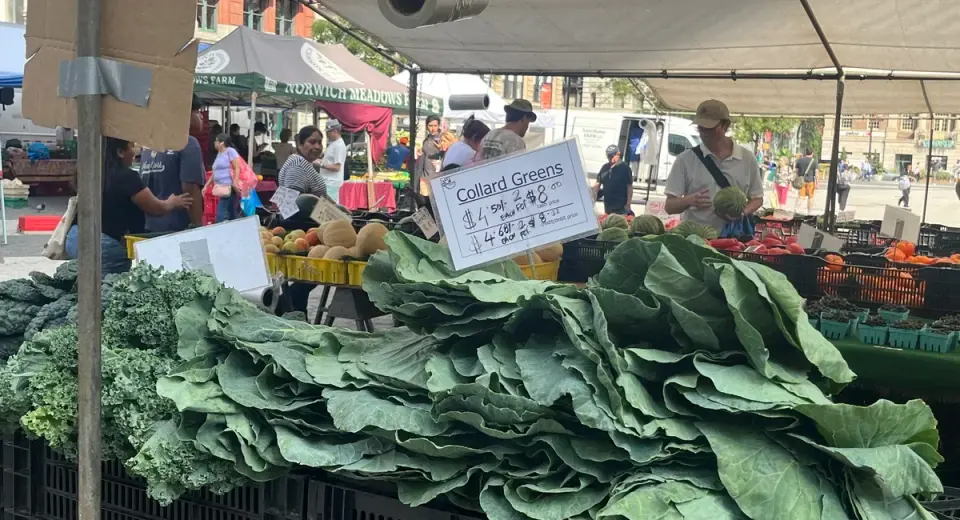
New York City is grappling with a cyclosporiasis surge, with over 800 cases reported in the state and 500 in the five boroughs since May. While case numbers have declined since mid-July, health officials have not identified a specific local source, unlike the Michigan outbreak linked to Taylor Farms. Residents are adopting varied safety strategies, ranging from cooking produce to buying local greens, amid ongoing uncertainty about the outbreak's origin.
Key points
- New York reported over 800 cyclosporiasis cases in the state and 500 in the city since May, with numbers trending down since mid-July.
- Unlike Michigan, where the outbreak was linked to Taylor Farms lettuce, New York officials have not identified a specific source for the local surge.
- State health commissioner James McDonald advises thorough washing and cooking produce but notes that washing does not eliminate the parasite entirely.
- Some New Yorkers are shifting to local farmers' markets, cooking vegetables, or eating frozen produce to mitigate risk, while others continue normal habits.
- The CDC reports over 17,100 confirmed cases nationwide since May, with Michigan accounting for the majority of cases and two deaths.
Background
The current situation follows a broader national cyclosporiasis outbreak that peaked in summer 2026. Earlier coverage noted that while the Taylor Farms recall addressed a major cluster in Michigan, other clusters remained unexplained. New York’s surge was approximately three times the usual summer rate by mid-July, prompting heightened public concern and a shift in consumer behavior toward safer food handling practices.
How outlets are covering it
Gothamist highlights the uncertainty in New York, noting that while case numbers are declining, the source remains unknown, leading to a mix of public behaviors from panic to normalcy. Consumer Reports and TODAY.com emphasize that the recalled Taylor Farms products are no longer available and that general salad consumption is safe if proper hygiene is followed, contrasting with the more cautious approach of some New York residents. Rocky Mountain PBS focuses on the economic impact, noting that local lettuce growers in Colorado are seeing increased sales as consumers seek trusted local sources, a trend mirrored in New York’s farmers' markets. Experts like Dr. James McDonald and Carolyn Dmitri offer differing advice, with McDonald suggesting standard washing and Dmitri advocating for cooking and avoiding raw greens.
Why it matters
The cyclosporiasis outbreak highlights the challenges of tracing foodborne illnesses with long incubation periods. For New Yorkers, the lack of a clear source means ongoing vigilance is required, influencing consumer choices and local agricultural demand. The situation underscores the importance of food safety practices and the role of local produce in perceived safety, while also illustrating the national impact of a single contaminated supply chain.
What to watch
Health officials in New York and the CDC continue to investigate the source of the cyclosporiasis cases, with case numbers expected to decline further as the summer season ends. Consumers are likely to return to normal eating habits as the risk decreases, but the incident may lead to long-term changes in how people source and prepare their produce. Further updates on the investigation may provide clarity on whether the New York cases are linked to the Taylor Farms recall or other sources.
- Is it safe to eat salad? How New Yorkers are coping with the threat of cyclosporiasis. Gothamist
- Should you avoid salad? Consumer Reports explains what shoppers need to know ClickOnDetroit | WDIV Local 4
- As Cyclospora Cases in the US Start to Trend Down, Is It Safe to Eat Lettuce and Other Fresh Produce? TODAY.com
- Parasitic outbreak has Coloradans turning to local lettuce growers Rocky Mountain PBS
- Salad, lettuce-linked outbreak is making greens shoppers see red USA Today
Want the full story? Read the original reporting
Read on Gothamist