
2026 Food Safety Crisis: Unprecedented Outbreaks Expose Systemic Gaps
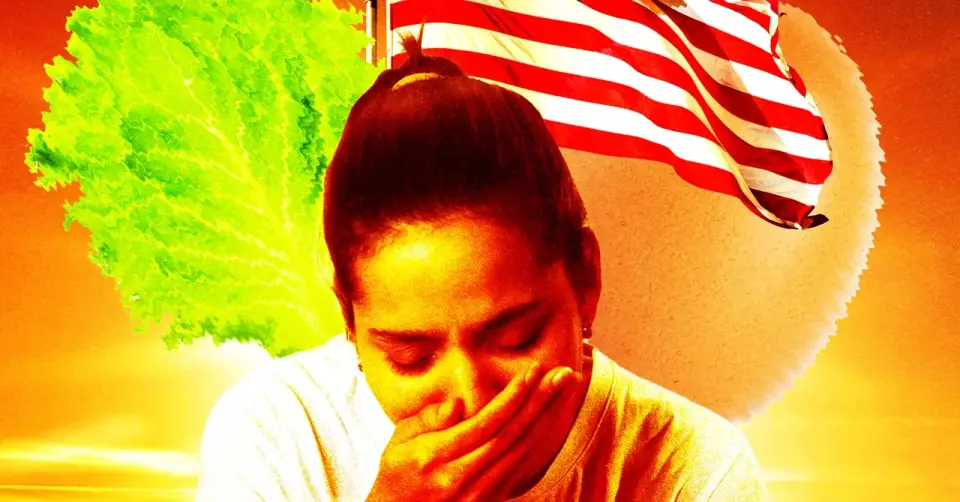
The US is experiencing a record-breaking summer of foodborne illnesses, with over 12,800 cases identified by the FDA, far exceeding previous years. A massive cyclospora outbreak linked to Taylor Farms iceberg lettuce has sickened more than 17,000 people across 48 states, marking the largest such outbreak since the 1990s. Simultaneously, salmonella outbreaks in jalapeños, eggs, and alfalfa sprouts have caused hundreds more illnesses. Experts attribute this surge to chronic underfunding, staffing cuts at the CDC and FDA, and delays in implementing traceability rules, exacerbated by a lack of permanent leadership at key health agencies.
Key points
- The FDA has identified over 12,800 foodborne illnesses in 2026, surpassing any year since 2020, with the cyclospora outbreak alone accounting for over 17,000 lab-confirmed cases.
- The cyclospora outbreak, linked to Taylor Farms iceberg lettuce imported from Mexico, is the largest in US history since the 1990s, causing 450 hospitalizations and two deaths.
- Salmonella outbreaks in jalapeños have sickened 431 people in 32 states, while a dual E. coli and salmonella outbreak in alfalfa sprouts has affected 55 people across 15 states.
- The CDC has lost approximately 3,000 employees since the start of the Trump administration, including a reduction from 11 to 3 staff in the lab that responds to cyclospora outbreaks.
- The FDA has not had a permanent commissioner since May, and the CDC was without a dedicated director for nearly a year until Erica Schwartz was confirmed in August.
- A 2022 FDA traceability rule for high-risk foods has been delayed until July 2028, and the rule does not apply to importers or brokers, creating a loophole for foreign products.
Background
This crisis follows a series of food safety issues in 2026, including a Starbucks recall of blending powder after baristas reported illness and a wave of other recalls involving popsicles, eggs, and supplements. The current outbreak is part of a broader pattern of foodborne illnesses that have raised concerns about the safety of everyday groceries. The Trump administration's cuts to public health funding and staffing have been cited as contributing factors to the current crisis.
How outlets are covering it
WIRED emphasizes the unprecedented scale of the cyclospora outbreak and the systemic vulnerabilities exposed by staffing cuts and policy delays. USA Today notes that while the number of FDA-classified recalls is below historical averages, the number of people getting sick is the primary concern, and fewer recalls may indicate less surveillance rather than safer food. Vox highlights the breadth of the outbreaks, including listeria in ricotta cheese and E. coli in frozen blueberries, and questions the effectiveness of current food safety measures. All sources agree that the current situation is unusual and concerning, but they differ in their emphasis on the causes, with WIRED and Vox focusing on structural issues and USA Today highlighting the disconnect between recall numbers and actual illness rates.
Why it matters
The 2026 food safety crisis highlights the fragility of the US food supply chain and the consequences of underfunding and staffing cuts in public health agencies. It underscores the need for stronger traceability and inspection systems, particularly for imported foods, and raises questions about the effectiveness of current food safety policies. The crisis also has significant implications for consumer confidence and the economic impact on the food industry.
What to watch
The FDA has requested expanded state and local information sharing and foreign food facility fee collection authority in its 2027 budget proposal. The agency claims to be increasing unannounced foreign inspections and expanding staffing at foreign posts. However, the delayed implementation of the traceability rule and the lack of permanent leadership at key health agencies suggest that the crisis may continue into the fall, as many pathogens thrive in hot, humid environments. Experts warn that the peak of foodborne illness cases is typically in August, September, and early October, and the current El Niño could exacerbate the situation.
- From Salmonella Eggs to Diarrhea Lettuce, Why This Has Been a Sick Hot American Summer WIRED
- Are food recalls increasing under RFK? What the data reveals. USA Today
- The surprising reason food recalls are getting worse vox.com
- A summer of recalls exposes holes in the nation’s food safety net Yahoo
- What’s behind the apparent surge in produce recalls Hortidaily
Want the full story? Read the original reporting
Read on WIRED