
Federal officials prepare to close largest cyclosporiasis outbreak as consumer behavior shifts
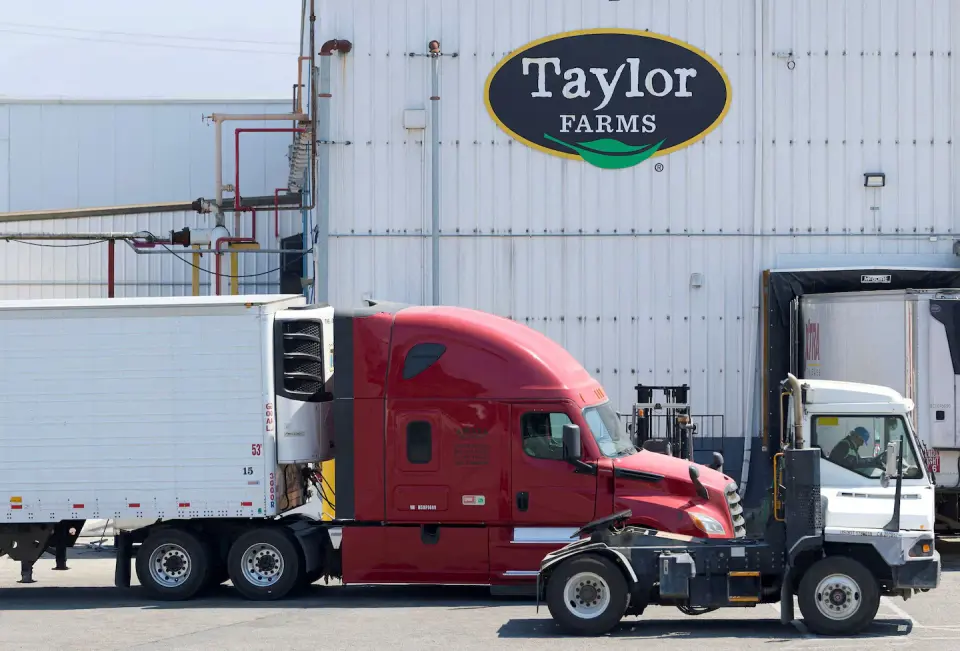
Federal officials are preparing to declare the end of the U.S. largest cyclosporiasis outbreak, which sickened over 11,000 people and caused two deaths. The outbreak, linked to iceberg lettuce from Taylor Farms, has driven a 35% drop in pre-packaged salad sales and a surge in farmers' market visits. While the CDC is winding down updates, consumer confidence in food safety has declined, with 49% of Americans changing their grocery habits due to fears of foodborne illness.
Key points
- Federal officials are poised to declare the end of the nation's largest cyclosporiasis outbreak, according to The Washington Post.
- The outbreak sickened over 11,000 people across 20 states, with 990 hospitalizations and two deaths in Michigan, per GQ and farmdoc daily.
- Pre-packaged salad sales dropped 35%, and lettuce sales fell 15% since the outbreak began, according to NielsenIQ data cited by Marketplace.
- 49% of U.S. consumers changed their grocery purchases due to food safety concerns, per a Gardner Food and Agricultural Policy Survey.
- Farmers' markets saw increased demand, with some lettuce harvests selling out in five days instead of two weeks, per Marketplace.
Background
The outbreak began in June 2026, with Michigan reporting 11,234 cases by August. Earlier coverage noted that cyclospora spreads via contaminated produce or water, not person-to-person, and that treatment typically requires antibiotics. The CDC had been providing weekly updates on the outbreak, which was linked to iceberg lettuce sourced from central Mexico and processed by Taylor Farms.
How outlets are covering it
The Washington Post focuses on the official closure of the outbreak, while GQ emphasizes the broader context of food recalls and FDA workforce cuts. farmdoc daily highlights consumer behavior changes, noting that 49% of respondents altered their grocery purchases. Marketplace reports on the economic impact, with pre-packaged salad sales down 35% and farmers' markets seeing increased demand. The outlets agree on the scale of the outbreak but differ in emphasis: The Post and GQ focus on the outbreak's end and regulatory context, while farmdoc daily and Marketplace focus on consumer responses and market impacts.
Why it matters
The outbreak's closure marks a significant public health milestone, but the lasting impact on consumer behavior and food safety confidence may persist. The shift toward local produce and farmers' markets could reshape grocery supply chains, while declining confidence in federal food safety oversight may influence policy and election outcomes.
What to watch
The CDC is expected to formally declare the end of the outbreak, and the FDA may face increased scrutiny over its workforce and inspection capabilities. Consumer behavior changes, such as reduced demand for pre-packaged salads and increased farmers' market visits, may continue, potentially affecting agricultural markets and food safety policies.
- Federal officials poised to declare end of U.S.’s largest known cyclosporiasis outbreak The Washington Post
- Boyslop Is in Danger GQ
- Lettuce Talk About Food Safety: Consumer Responses to Recent Outbreaks farmdoc daily
- Cyclospora Outbreak Fallout: What Produce Brands Need to Know About Retail Recovery The Packer
- “You’re out right away”: Lettuce sells fast at farmers' markets amid cyclospora outbreak marketplace.org
Want the full story? Read the original reporting
Read on The Washington Post