
Experts Warn Firefighters Against Unproven Glutathione Smoke Supplement
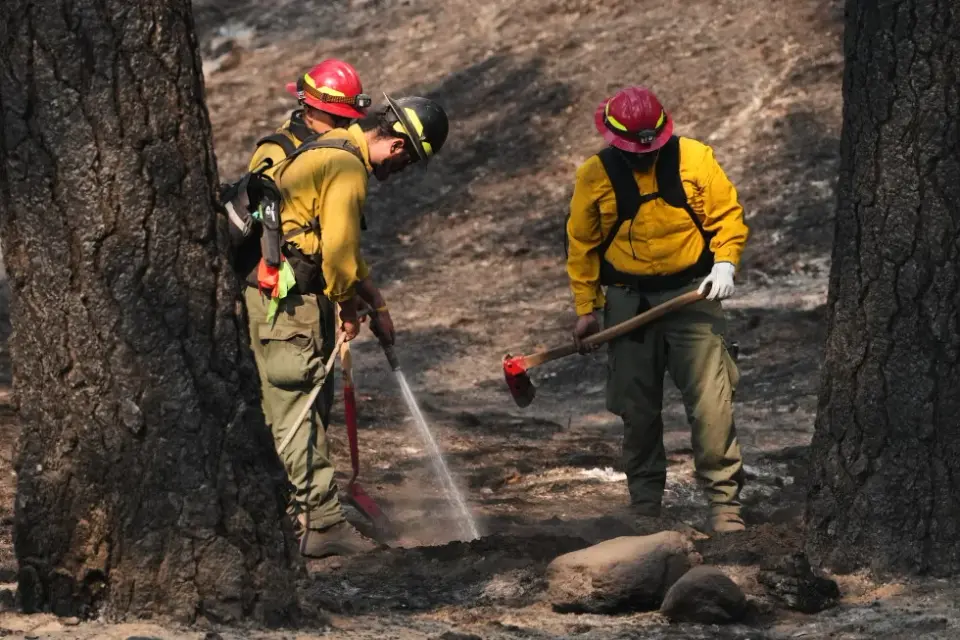
Firefighters in the U.S. are increasingly using glutathione, an antioxidant supplement, to mitigate health effects from inhaling toxic wildfire smoke. While some responders report relief from symptoms like brain fog and coughing, medical experts warn that clinical evidence for its efficacy is lacking. The supplement, often administered via nebulizer or injection, poses significant risks, including potential contamination from compounding pharmacies and airway constriction for those with asthma. Tens of thousands of Americans die annually from long-term wildfire smoke exposure, yet firefighters cannot use standard oxygen respirators during active fires, leaving them exposed to a wide range of harmful chemicals.
Key points
- Firefighters report that glutathione helps alleviate symptoms such as coughing, vomiting, and brain fog caused by smoke exposure.
- Medical experts acknowledge the biological plausibility of antioxidants reducing oxidative stress but state there is no clinical evidence supporting glutathione's efficacy for this purpose.
- Administration via nebulizer may constrict airways in individuals with asthma or chronic lung conditions.
- Contaminated glutathione products from compounding pharmacies have led to serious medical events, including anaphylactic shock and death.
- The California Board of Pharmacy reversed regulations in 2025 that would have restricted access to the supplement following pushback from firefighters.
Background
Wildfire smoke is increasingly recognized as a major public health threat in the U.S., causing tens of thousands of deaths annually from long-term exposure. As urban areas face more frequent blazes, the smoke contains higher concentrations of toxic chemicals from burning household items and appliances. Firefighters face unique challenges because they cannot use respirators with oxygen tanks during active fires, resulting in prolonged exposure to these hazardous substances.
Why it matters
The widespread use of unproven supplements by first responders highlights a critical gap in occupational health protections for firefighters. Without clinical evidence, the risks of contamination and adverse reactions may outweigh any perceived benefits, potentially endangering the very individuals tasked with protecting communities during wildfires.
What to watch
Regulatory bodies and health organizations may need to revisit guidelines regarding the use of unapproved supplements in emergency response settings. Further clinical studies are required to determine if glutathione or other antioxidants can safely and effectively mitigate the health impacts of wildfire smoke exposure.
Want the full story? Read the original reporting
Read on AP News