
Red Cross declares second-ever national blood crisis as summer heat and illness suppress donor turnout
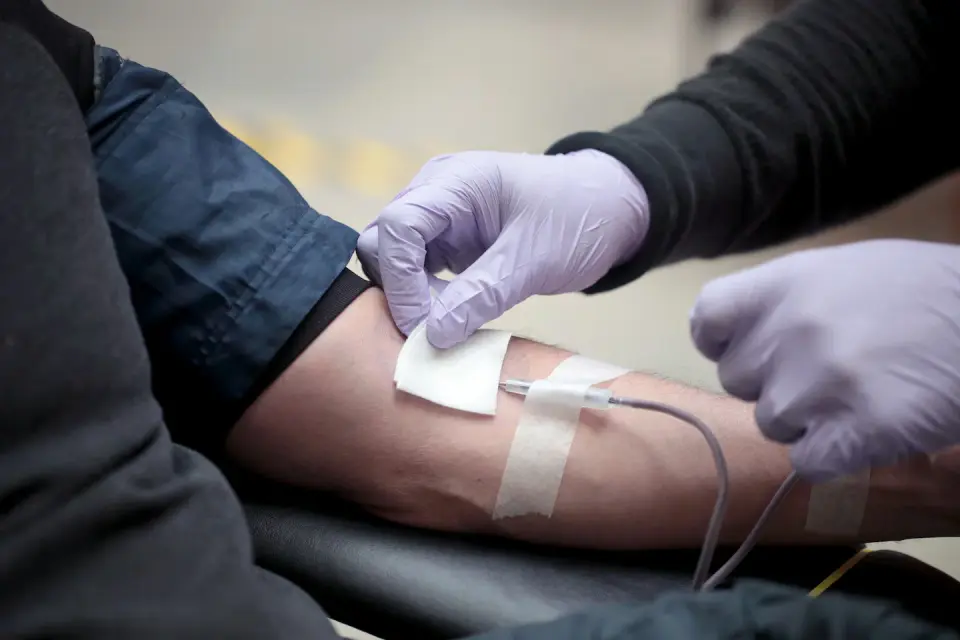
The American Red Cross has declared a national blood crisis for the second time in its history, citing a 25% drop in supply and less than a one-day inventory of O-positive blood. The shortage is attributed to extreme heat, poor air quality, and foodborne illnesses reducing donor turnout, while hospital demand rises by 3,500 units weekly. The organization is limiting distributions and urging eligible donors to give immediately, offering incentives like movie tickets and gift cards to boost participation.
Key points
- The American Red Cross declared a national blood crisis on Monday, marking the second such declaration in the organization's history, with the first occurring in 2022 during a COVID-19 surge.
- Blood donations have fallen to a four-year summer low, with the Red Cross reporting a 25% drop in supply at facilities nationwide.
- The organization holds less than a one-day national supply of O-positive blood, the most commonly transfused type, and has begun limiting distributions to hospitals.
- Hospital demand has increased by approximately 3,500 units per week compared to typical summer levels, driven by injuries and higher outdoor activity.
- The Red Cross attributes the low turnout to extreme heat, poor air quality, and the spread of foodborne illnesses, in addition to standard summer vacation travel.
- To address the shortage, the Red Cross is offering Fandango movie tickets for donations by July 31 and $20 Amazon gift cards for August donations.
Background
This crisis follows a similar declaration in 2022, when a surge in COVID-19 cases reduced donor turnout. Recent archive coverage from July 28, 2026, confirmed the Red Cross's urgent appeal for donations amid a shortfall in blood and platelets, particularly type O-positive, forcing limited distributions to hospitals. The current situation highlights recurring vulnerabilities in the US blood supply during summer months, exacerbated by environmental and health challenges.
How outlets are covering it
The Washington Post emphasizes the role of environmental factors, such as extreme heat and poor air quality, along with foodborne illnesses, in suppressing donor turnout this summer. WWBT provides a more granular view of the supply-demand imbalance, highlighting a 25% drop in supply and a 3,500-unit weekly increase in hospital demand. WWBT also includes a personal account from Richmond firefighter Jonathan Clarke, who survived leukemia through blood transfusions, to illustrate the human impact of the shortage. While both sources agree on the severity of the crisis, the Washington Post focuses on the broader causes of low turnout, whereas WWBT details the logistical strain on facilities and the specific incentives offered to donors.
Why it matters
The national blood crisis poses a direct risk to patient care, as hospitals face restricted distributions of critical blood types. The shortage could impact trauma patients, mothers giving birth, and individuals with conditions like sickle cell disease, who rely on consistent blood supplies. The Red Cross's limited inventory of O-positive blood, the most commonly transfused type, underscores the fragility of the US blood supply system during peak demand periods. Urgent donor participation is essential to prevent further disruptions in healthcare services and to ensure that life-saving treatments remain available to those in need.
What to watch
The Red Cross is urging all eligible donors to make appointments to give blood, with incentives offered through August to boost participation. The organization is monitoring supply levels closely and may adjust distribution policies as donations arrive. Donors are encouraged to use the Blood Donor App, visit RedCrossBlood.org, or call 1-800-RED CROSS to schedule appointments. The Red Cross will continue to assess the impact of summer travel and environmental factors on donor turnout, with potential adjustments to outreach strategies in the coming weeks.
- What’s driving the American Red Cross’s second-ever national blood crisis? The Washington Post
- Richmond firefighter says donated blood saved his life as Red Cross fights national shortage WWBT
- American Red Cross | National blood crisis prompts pleas from patients: 'We depend on it' ABC11 News
- ‘We cannot manufacture blood’: American Red Cross declares national blood crisis for second time in its history ABC4 Utah
- Red Cross faces type O blood shortage FOX 2 Detroit
Want the full story? Read the original reporting
Read on The Washington Post