
Hydroxyapatite Toothpaste Gains Popularity, But Experts Still Favor Fluoride
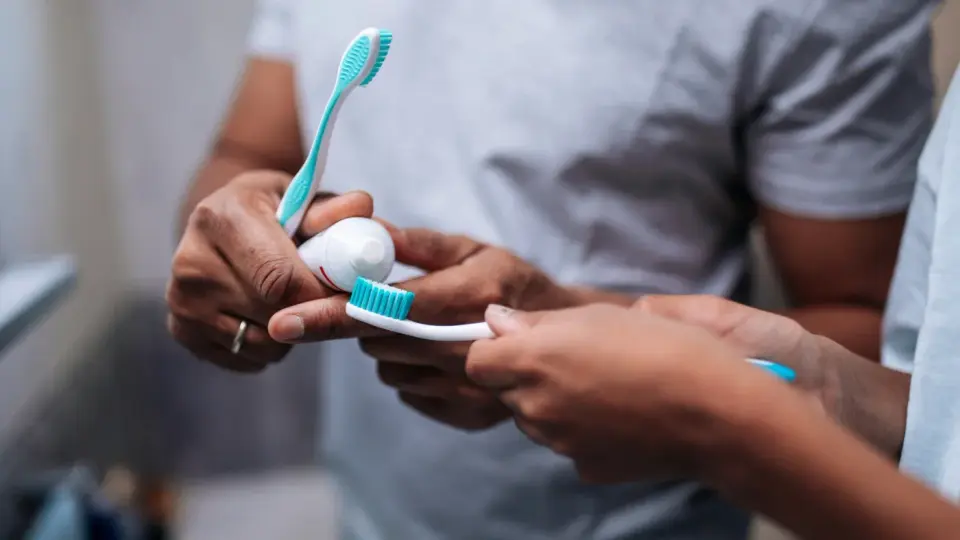
Fluoride-free toothpaste using hydroxyapatite is gaining traction due to social media trends and skepticism about fluoride, but dental experts generally recommend fluoride for its extensive evidence base. While some studies show hydroxyapatite offers similar cavity protection, long-term data remains limited, and the American Dental Association advises sticking to fluoride.
Key points
- Patients are increasingly asking about fluoride-free options, particularly hydroxyapatite, driven by social media influencers and concerns about fluoride safety.
- Hydroxyapatite is a calcium phosphate mineral similar to tooth enamel; nano-hydroxyapatite particles may penetrate enamel crevices to aid remineralization.
- A 2021 study of 177 children and a 2023 study of 171 adults found similar cavity outcomes for hydroxyapatite and fluoride, though the latter involved mostly healthy young adults.
- Fluoride has decades of research backing its efficacy, while hydroxyapatite studies are fewer and often involve low-risk participants.
- The American Dental Association acknowledges hydroxyapatite’s potential but notes limited clinical evidence, recommending fluoride toothpaste for daily use.
Background
Recent coverage has highlighted the viral popularity of nano-hydroxyapatite products like Mouthology, which claim to remineralize enamel and reduce sensitivity. While some dentists view it as a viable alternative for sensitive teeth, the broader dental community continues to emphasize fluoride as the gold standard for cavity prevention. This debate occurs alongside other oral health developments, such as a recent FDA recall of millions of toothpaste tubes due to manufacturing issues, though that recall is unrelated to the fluoride versus hydroxyapatite discussion.
Why it matters
As consumer interest shifts toward fluoride-free alternatives, understanding the evidence behind these products is crucial for making informed dental health decisions. While hydroxyapatite shows promise, the lack of long-term, high-risk population studies means fluoride remains the safer, more proven choice for most people.
What to watch
More long-term studies are needed, especially involving individuals at high risk for tooth decay, to determine if hydroxyapatite can fully replace fluoride. For now, dental professionals recommend continuing to use fluoride toothpaste twice daily.
Want the full story? Read the original reporting
Read on NPR