
Mislabeled 'Cat's Claw' Supplements Linked to Four Utah Deaths
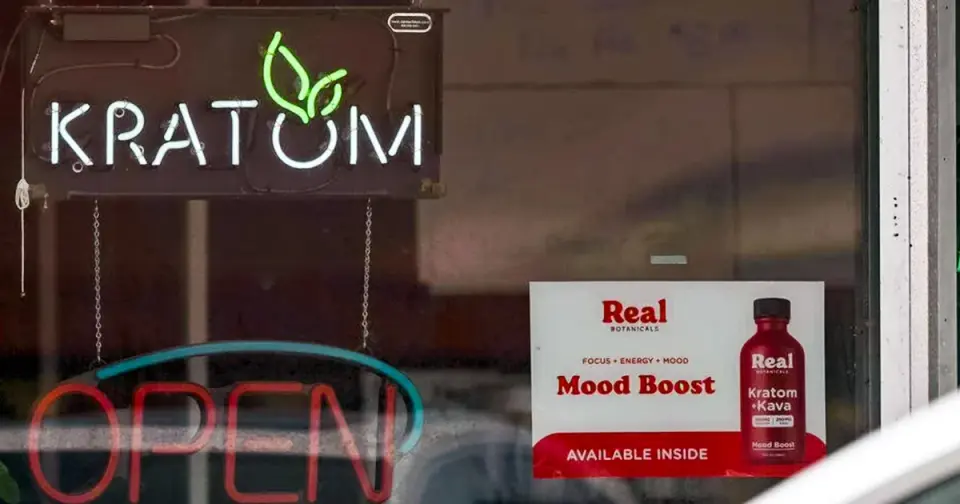
Utah officials linked four deaths to semi-synthetic kratom compounds hidden in supplements labeled as 'cat's claw.' The products, often sold under the brand 'Buzzers,' contain illegal Schedule 1 drugs that mimic opioid effects. While natural cat's claw is safe, these adulterated items are being sold in gas stations and smoke shops despite state bans.
Key points
- Four deaths in Utah were linked to mitragynine pseudoindoxyl (MGPI) and dihydro-7-hydroxymitragynine (MGM-15), which are illegal in the state.
- The compounds were found in products misleadingly labeled as 'cat's claw' or 'Uncaria tomentosa,' often marketed as legal and kratom-free.
- The Utah Poison Control Center warned that these products act as potent opioids, stronger than morphine, and carry high risks of addiction and overdose.
- The manufacturer, Exo Club, claims its 'Buzzers' product extracts an indole alkaloid from cat's claw to mirror kratom effects, but officials say the products contain banned synthetic chemicals.
- The DEA classified MGPI and MGM-15 as Schedule 1 drugs in August 2026, making their sale and possession illegal.
Background
Kratom remains legal in most U.S. states, though the FDA has recommended banning it. In 2025, CDC data showed kratom-related poison control reports more than doubled. Recent deaths of two University of Mississippi students in September also raised concerns about synthetic kratom derivatives. Utah has seen a surge in poison control calls related to cat's claw products, prompting state officials to issue urgent warnings.
How outlets are covering it
NBC News and KUTV emphasized the specific deaths in Utah and the misleading labeling of products as 'cat's claw.' The Washington Post highlighted the broader legislative trend, noting that over 400 kratom-related bills have been introduced since 2015, with 25 states introducing bans in 2025 and 2026. The Tri-City Herald focused on the Washington Poison Center's warning, noting that similar overdoses are occurring in Washington state. All sources agree that the compounds are dangerous and often sold in gas stations and smoke shops, but they differ in emphasis: NBC and KUTV focus on the Utah crisis, while The Post focuses on the national legislative response.
Why it matters
The use of misleading labels like 'cat's claw' to sell potent, illegal opioid-like compounds poses a significant public health risk. Consumers may unknowingly ingest dangerous substances, leading to addiction, overdose, and death. The DEA's recent classification of these compounds as Schedule 1 drugs underscores the severity of the issue and the need for stricter enforcement and public awareness.
What to watch
State legislatures are likely to continue introducing bans or stricter regulations on kratom and its synthetic derivatives. The DEA may move to classify 7-hydroxymitragynine (7-OH) as an illicit substance, as recommended by the FDA. Public health officials will continue to monitor poison control calls and issue warnings to consumers. Manufacturers may face increased scrutiny and legal action for selling mislabeled products.
- Semi-synthetic kratom products linked to four deaths in Utah, state officials say NBC News
- Kratom, an opioid-like drug, remains legal in most states The Washington Post
- Health officials issue urgent warning after four Utah deaths tied to herbal supplements KUTV
- Health officials issue warning after four deaths linked to illegal “cat’s claw” and kratom products ABC4 Utah
- WA Poison Center links overdoses, serious illnesses to kratom in fake supplements Tri-City Herald
Want the full story? Read the original reporting
Read on NBC News