
US Blood Supply Hits Historic Crisis as Donations Fall to Four-Year Low
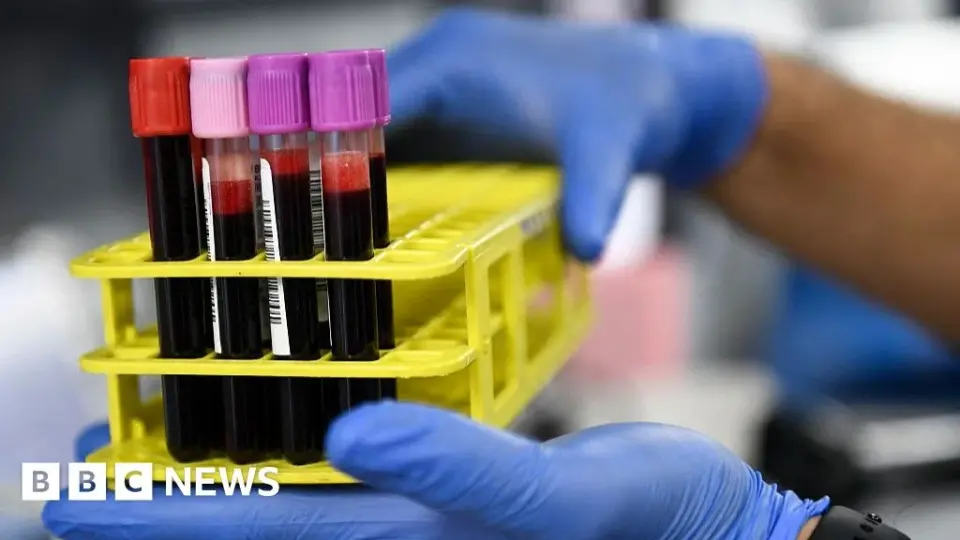
The American Red Cross declared a national blood supply crisis for the second time in its 150-year history, citing a 25% drop in donations that has left less than one day’s supply of type O-positive blood. The shortage, driven by extreme heat, poor air quality, and widespread foodborne illnesses, has forced the organization to limit distributions to hospitals and urge immediate donations to prevent delays in surgeries and emergency care.
Key points
- The American Red Cross declared a national blood supply crisis, the second in its 150-year history, after donations fell to a four-year summer low.
- Supplies of type O-positive blood, the most commonly transfused type, have dropped to less than one day’s national supply, prompting restricted distribution to hospitals.
- Donations fell by approximately 25% in June, with the Red Cross distributing about 3,500 more units than normal to meet demand.
- Extreme heat, poor air quality, and widespread foodborne illnesses, including cyclosporiasis, have significantly reduced donor turnout and disrupted blood drive logistics.
- The Red Cross is offering incentives, including movie tickets and Amazon gift cards, to encourage donations, noting that just three additional donors per drive could resolve the crisis.
Background
The previous national blood crisis was declared in January 2022 during the COVID-19 pandemic and severe winter weather. Since then, the Red Cross implemented measures to improve predictability, with hospitals now scheduling nearly two-thirds of their blood needs in advance. However, the current crisis highlights the vulnerability of blood supply systems to seasonal and environmental disruptions.
How outlets are covering it
The BBC and Washington Post emphasize the role of extreme heat and poor air quality in reducing donor turnout, while the Red Cross also cites widespread foodborne illnesses, including cyclosporiasis, as a key factor. Axios highlights the regional impact in Philadelphia, where local Red Cross officials report similar donation declines and attribute the drop to heat, weather, and a busy summer event calendar. USA Today focuses on the severity of the shortage, noting that type O-positive blood accounts for 60% of Red Cross distributions and is critical for both routine care and emergencies. All sources agree that the crisis is unprecedented in recent years and requires urgent donor action.
Why it matters
The crisis threatens to delay surgeries, trauma care, and other treatments that depend on timely blood transfusions. Hospitals have considered diverting patients to other trauma centers due to insufficient blood supplies, and the shortage could impact maternity wards and cancer treatments. The Red Cross warns that the situation could worsen if donor turnout does not increase, potentially leading to life-threatening consequences for patients in need.
What to watch
The Red Cross is urging all eligible donors to make appointments immediately, with incentives offered for donations by July 31 and August. The organization is also working to restore blood drive logistics and improve inventory levels. If the trend does not reverse, hospitals may face further restrictions on blood distribution, and the crisis could persist into the fall, exacerbating the impact on patient care.
- Red Cross declares crisis over blood supply shortage in US for second time its history bbc.com
- Where to donate blood in Philly region amid national supply crisis Axios
- American Red Cross | National blood crisis prompts pleas from patients: 'We depend on it' ABC11 News
- What’s driving the American Red Cross’s second-ever national blood crisis? washingtonpost.com
- Critical shortage: Red Cross declares second-ever blood supply crisis USA Today
Want the full story? Read the original reporting
Read on bbc.com