
Cyclosporiasis cases peak at nearly 20,000 as CDC halts weekly updates
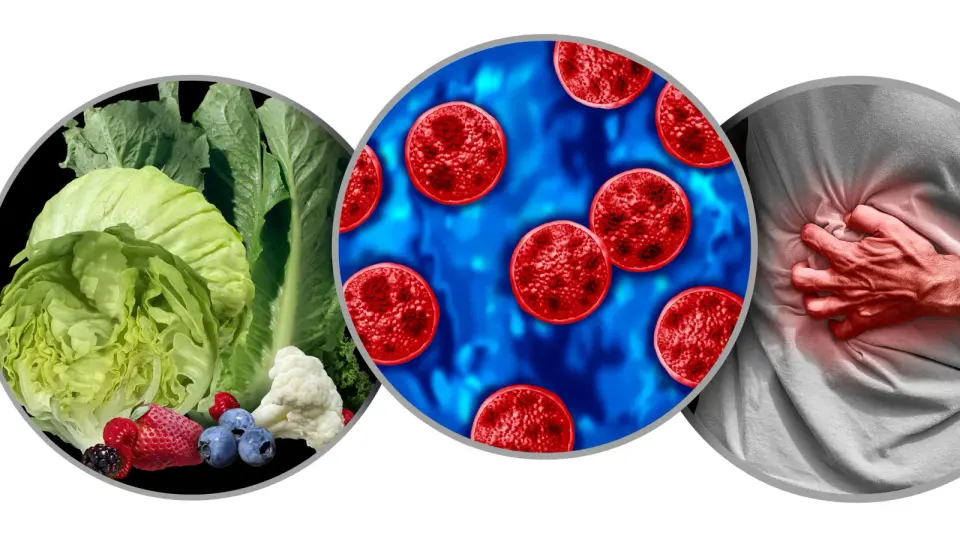
The 2026 cyclosporiasis outbreak has reached nearly 20,000 confirmed cases across 49 jurisdictions, with 1,064 hospitalizations and two deaths. While new infections are declining, the CDC has stopped weekly updates due to the lag in reporting. The largest cluster, linked to Taylor Farms lettuce, accounts for over 10,900 cases, but six other unlinked outbreaks remain under investigation.
Key points
- CDC reported 19,883 lab-confirmed cases as of September 14, 2026, a massive increase from 1,180 cases in the same period last year.
- The outbreak has resulted in 1,064 hospitalizations and two deaths, both linked to the lettuce cluster in Michigan.
- CDC ceased weekly updates on September 15, noting that the six-week reporting lag means current numbers likely understate the true total.
- The largest cluster, linked to Taylor Farms iceberg lettuce, accounts for 10,930 cases across 17 states.
- Six other clusters with 270 total cases remain under investigation by the FDA, with sources unidentified.
Background
This outbreak follows a pattern of seasonal cyclosporiasis spikes, but the 2026 numbers are unprecedented. Previous coverage noted that the parasite is often misidentified as other stomach bugs due to diagnostic challenges. The current surge has intensified scrutiny on federal food safety infrastructure, which was significantly reduced in 2025.
How outlets are covering it
USA Today and TODAY.com emphasize the declining trend in new cases, noting that the peak occurred in mid-July. However, MedPage Today highlights that the true extent of the outbreak is obscured by the Trump administration's 2025 cuts to the FoodNet surveillance system, which removed mandatory reporting for cyclospora. While USA Today focuses on the Taylor Farms recall and political scrutiny, MedPage Today argues that these cuts have left public health officials unable to determine if the six other outbreaks are connected or distinct. TODAY.com offers a consumer-focused view, advising that most produce is safe but recommending thorough washing and cooking to prevent infection.
Why it matters
The scale of this outbreak highlights vulnerabilities in the U.S. food safety and disease surveillance systems. The six-week lag in CDC reporting means that current data may not reflect the full impact of the outbreak, and the reduction in federal monitoring capabilities could hinder future outbreak detection and response.
What to watch
The CDC will continue to provide periodic updates rather than weekly ones. The FDA is expected to continue investigating the six unidentified clusters. Public health officials will likely release more data as the six-week reporting lag catches up with cases from the peak of the outbreak in July.
- Confirmed cyclospora cases surpass 17,000. See map of affected states USA Today
- Cyclospora Case Data Centers for Disease Control and Prevention | CDC (.gov)
- Trump Cuts Mask True Extent of Cyclospora Outbreaks MedPage Today
- Cyclospora Cases Are Starting to Trend Down: See States Still Impacted, Foods to Avoid and More TODAY.com
- Cyclosporiasis data shows increase by 22 cases, totaling 829 cases in Kansas WIBW
Want the full story? Read the original reporting
Read on USA Today