
Utah deaths and legislative surge highlight the legal gray area of kratom
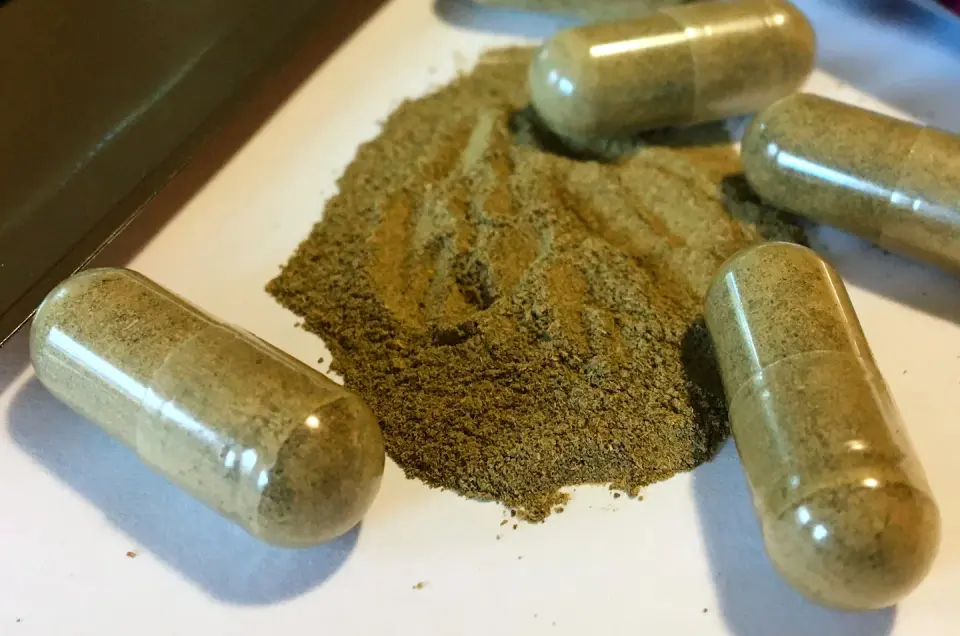
Kratom remains legal in most US states despite a surge in poison control reports and recent fatalities. While federal agencies flag the substance as a concern, state legislatures are increasingly moving to ban synthetic derivatives or impose strict regulations, with Utah issuing urgent warnings after four deaths linked to mislabeled supplements.
Key points
- Kratom, derived from a Southeast Asian tree, remains legal federally and in most states, though the DEA lists it as a 'drug of concern.'
- Kratom-related poison control reports more than doubled from 2024 to 2025, according to CDC data.
- The Washington Post identified over 400 kratom-related bills in state legislatures since 2015, with a significant uptick in 2025 and 2026.
- Most proposed legislation focuses on regulation (age limits, licensing) rather than outright bans, though 108 bills specifically target bans.
- Utah health officials issued an urgent warning after four deaths were linked to illegal synthetic compounds found in herbal supplements.
- The synthetic chemicals MGPI and MGM-15, often hidden in products labeled 'cat's claw,' are classified as Schedule I substances and act as potent opioids.
Background
This issue follows a broader trend of synthetic opioid crises, including recent concerns in Scotland regarding nitazenes. Earlier coverage in August and September highlighted the 'gas station opioid' crisis involving kratom and 7-OH, noting that while federal agencies flag these substances, legislative responses vary significantly by state, with some jurisdictions banning sales while others debate regulations.
How outlets are covering it
The Washington Post emphasizes the legislative landscape, noting that while kratom remains legal, a wave of state bills is shifting the tide, with many focusing on regulation rather than total bans. KUTV and KSL focus on the immediate public health emergency in Utah, highlighting the danger of mislabeled products containing synthetic opioids like MGPI and MGM-15. While the Post notes the legal status of natural kratom, the Utah outlets stress that synthetic derivatives are illegal and dangerous, creating a distinction between the plant and its processed forms.
Why it matters
The continued legality of kratom in most states, combined with the rise of potent synthetic derivatives, poses significant public health risks. The gap between federal permissiveness and state-level restrictions creates a fragmented regulatory environment that allows dangerous products to remain available in retail stores, leading to overdoses and deaths.
What to watch
State legislatures are expected to continue introducing kratom-related bills, with a focus on banning synthetic derivatives and tightening regulations on natural forms. Utah health officials are urging the public to avoid specific products and report illegal sales, while the DEA continues to monitor the substance as a drug of concern.
- Kratom, an opioid-like drug linked to deaths, remains legal in most states The Washington Post
- Health officials issue urgent warning after four Utah deaths tied to herbal supplements KUTV
- Health officials issue warning after four deaths linked to illegal “cat’s claw” and kratom products ABC4 Utah
- 4 Utah deaths linked to certain herbal supplements, including kratom ksl.com
- Kratom, 7-OH laws diverge amid the spread of potent synthetic products Stateline
Want the full story? Read the original reporting
Read on The Washington Post