
Silicone Brushes Replace Bristle Tools in European Bathrooms
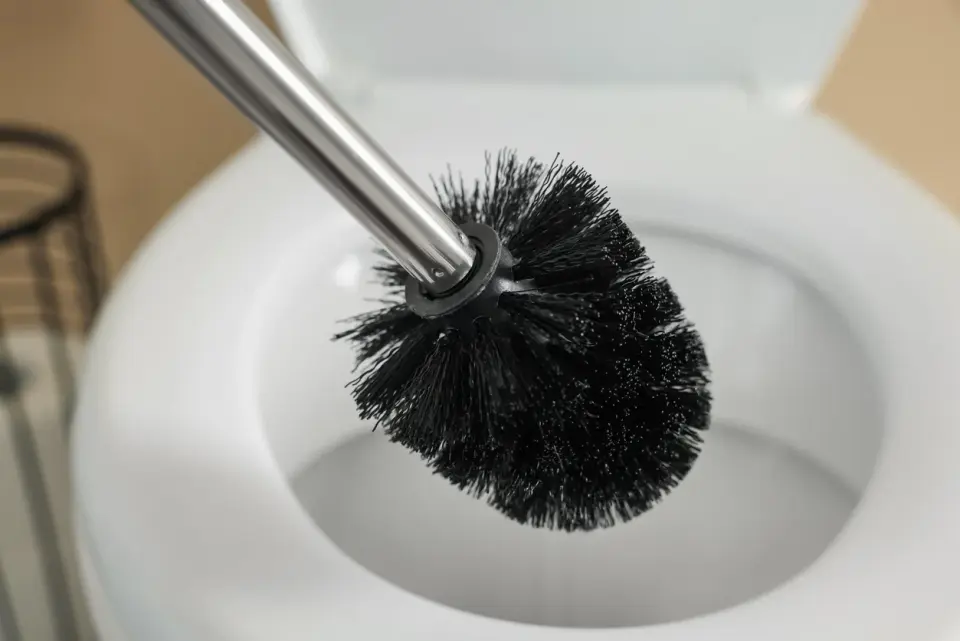
Households in Scandinavia and Central Europe are increasingly replacing traditional bristle toilet brushes with silicone alternatives. Cleaning experts argue that silicone’s non-porous nature prevents bacterial buildup and allows for faster drying, unlike dense plastic bristles that trap dirt. While silicone heads are more hygienic, they may lack the stiffness needed for stubborn grime, requiring flat designs for effective cleaning. Proper maintenance, including weekly deep cleans and open holders, remains essential regardless of the material chosen.
Key points
- Silicone toilet brushes are gaining popularity in Norway and Finland due to their non-porous structure, which prevents bacteria absorption and allows for rapid drying.
- Traditional plastic bristles are tightly packed, making them impossible to clean perfectly and leading to inevitable bacterial growth; experts recommend replacing them every three months.
- Silicone brushes often feature flexible or flat heads that reach hard-to-access areas and reduce splashing, though they may struggle with dried-on mineral deposits compared to stiff bristles.
- Hygiene depends on routine: users should rinse brushes after use, apply disinfectant, and perform weekly deep cleans with bleach or vinegar, ensuring the holder is ventilated to prevent moisture buildup.
- No brush can dissolve the hard mineral ring at the waterline, and keeping any tool damp in a closed holder will still foster bacterial growth, regardless of the material.
Background
This shift in bathroom hygiene tools follows broader trends in home maintenance where material durability and ease of sanitation are prioritized. While unrelated to recent discussions on statin side effects, the focus on preventing bacterial buildup in household items reflects a growing consumer interest in long-term hygiene solutions over traditional, short-lived accessories.
Why it matters
The transition to silicone brushes addresses a persistent hygiene issue in households, reducing the risk of cross-contamination from dirty cleaning tools. By adopting materials that dry faster and resist bacterial growth, consumers can maintain cleaner bathrooms with less frequent replacements, potentially lowering long-term costs and improving overall sanitation standards in homes.
What to watch
Consumers should evaluate their current cleaning tools and consider switching to silicone brushes with flat or spatula-style heads for better grime removal. Regular replacement schedules and proper storage in ventilated holders are critical to maintaining hygiene. Future product developments may focus on hybrid designs that combine the hygiene benefits of silicone with the scrubbing power of stiff bristles.
Want the full story? Read the original reporting
Read on TheCoolist