
US Air Traffic Control Crisis Highlights Funding and Aging Infrastructure Failures
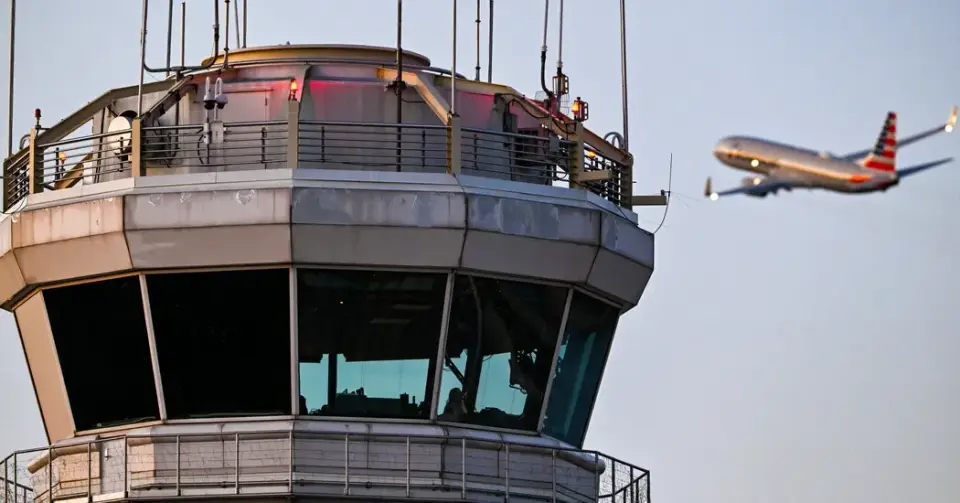
A nationwide ground stop on November 13, 2026, exposed deep vulnerabilities in US air traffic control systems. The disruption, which delayed over 1.5 million passengers, stems from decades of deferred upgrades, aging 1980s-era equipment, and a reliance on annual congressional funding that hampers long-term modernization efforts.
Key points
- On November 13, 2026, the FAA issued a nationwide ground stop lasting over four hours due to equipment failures, delaying nearly 15,000 flights and affecting over 1 million passengers.
- US air traffic control systems rely on 1980s-era technology, with the transition to electronic flight strips taking over 40 years, compared to just two years in Canada.
- The NextGen modernization program, launched in 2004, has faced repeated delays, with completion now pushed beyond 2030 due to inconsistent funding.
- The FAA depends on annual congressional appropriations, creating a cycle of stop-start funding that discourages long-term investments and stable contractor commitments.
- Aging infrastructure has led to a reliance on secondhand parts and 3D printing for repairs, while the retirement of legacy engineers has created a critical knowledge gap in system maintenance.
Background
Recent archive coverage from November 2026 indicates that the November 13 ground stop was attributed to telecommunications failures in aging radar and communication systems. Transportation Secretary Sean Duffy requested $50 billion in emergency funding to address these vulnerabilities, warning that similar failures could occur without congressional action. Previous reports also noted that government warnings about rushed modernization prioritizing speed over safety had been ignored for years.
How outlets are covering it
The New York Times emphasizes the structural irony of the US system, noting that despite handling the most flights globally, its infrastructure lags behind peers like Canada and the EU due to a reliance on congressional funding rather than privatized models. Vocal highlights the operational and human costs, detailing how aging equipment forces maintenance crews to scavenge secondhand parts and how the retirement of legacy engineers has left a void in technical knowledge. While the Times focuses on the funding model, Vocal stresses the technical impossibility of upgrading a system that cannot be shut down, describing the current state as a 'long run while sick' where risk accumulates through deferred decisions.
Why it matters
The incident underscores the fragility of critical US infrastructure, revealing how annual budget cycles and aging technology create systemic risks. The reliance on obsolete equipment and the loss of institutional knowledge threaten not only flight reliability but also the safety and efficiency of the nation's aviation network, highlighting the need for stable, long-term funding and modernization strategies.
What to watch
The FAA is expected to continue investigating the cause of the November 13 failures, while Congress debates the $50 billion emergency funding request. Long-term progress on the NextGen program remains uncertain, with completion dates slipping beyond 2030. Stakeholders, including airlines and manufacturers, face pressure to adopt new standards, but without unified cost-sharing rules and mandatory timelines, the cycle of deferred upgrades and patchwork repairs is likely to continue.
- Unlike Other Countries, America’s Government Funds Its Air Infrastructure The New York Times
- Delta CEO says air traffic control systems are so outdated that some commercial flight routes were faster in the 1950s than they are today Yahoo
- It’s The System Stupid. Quick Lessons From The FAA Stoppage. Forbes
- The Copper-Wired Sky and the Probabilistic Horizon: Re-Architecting the U.S. National Airspace System Medium
- The Tower Is Older Than the Planes Vocal
Want the full story? Read the original reporting
Read on The New York Times