
California Court Rules Private License Plate Surveillance Does Not Constitute Legal Harm
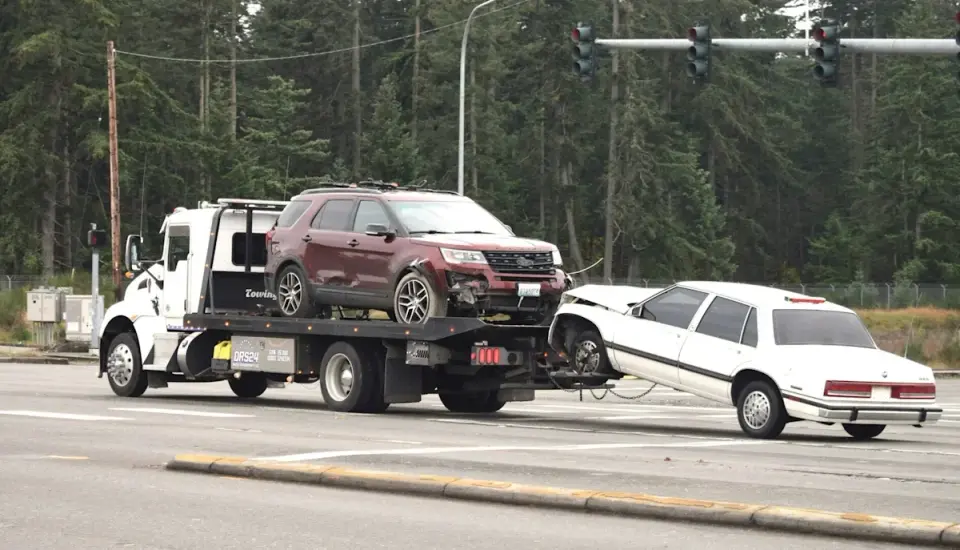
A California appeals court rejected a class action lawsuit against Digital Recognition Network, ruling that the mere collection of license plate data does not constitute 'actual harm' under state law. The decision upholds a lower court dismissal of a 2021 suit by Guillermo Mata, who argued that the company’s 9 billion-image database violated privacy rights. While civil rights groups argue that surveillance itself is harmful, the court requires proof of specific misuse or unauthorized access to grant standing.
Key points
- The California 4th District Court of Appeal affirmed a lower court’s dismissal of a 2021 class action suit filed by Guillermo Mata against Digital Recognition Network (DRN).
- DRN operates a fleet of vehicles equipped with automated license plate readers (ALPRs) that have captured over 9 billion historical license plate images as of May 2024.
- The court ruled that Mata lacked standing because he did not allege specific harm, such as unauthorized access or a security breach, but rather a subjective belief that his privacy was invaded.
- California’s 2016 law (SB 34) regulates ALPRs but does not restrict private entities from collecting or using the data, only imposing restrictions on public agencies.
- Civil rights groups, including the ACLU and Electronic Frontier Foundation, argued that the collection of data itself causes harm through a chilling effect on behavior, but the court rejected this theory.
Background
This ruling follows a broader national debate over mass surveillance technologies, including the recent suspension of Flock Safety camera contracts by the Los Angeles Police Department due to privacy concerns. While public agencies face stricter regulations, private companies like DRN serve clients such as insurance firms and vehicle repossession agencies, raising questions about the scope of private surveillance in public spaces.
How outlets are covering it
The San Diego Union-Tribune and FindLaw both report on the court’s unanimous decision, emphasizing the legal distinction between subjective privacy concerns and tangible harm. The Union-Tribune highlights the court’s focus on the lack of specific misuse, while FindLaw notes the broader implications for privacy rights in the era of decentralized camera networks. Civil rights advocates, including the ACLU and EFF, expressed disappointment, arguing that the court’s narrow interpretation of harm leaves Californians powerless to enforce their privacy rights. In contrast, the court’s opinion, written by Associate Justice Truc Do, acknowledged the 'understandable fear' of surveillance but maintained that such fear does not meet the legal threshold for standing without evidence of actual injury.
Why it matters
The decision sets a precedent for how courts interpret privacy laws in the context of private surveillance, potentially limiting the ability of individuals to challenge mass data collection practices. It highlights the tension between public safety and privacy rights, as private entities continue to expand their surveillance networks without facing significant legal repercussions for mere data collection.
What to watch
Civil rights groups may appeal the decision or push for legislative changes to redefine 'harm' in privacy laws. The ruling could also influence other states’ approaches to regulating private surveillance technologies, as the debate over mass surveillance continues to intensify.
- A Private Surveillance Network Built on Tow Trucks Has Scanned 9 Billion License Plates. California Courts Just Said That's Fine Yahoo
- San Diego appeals court finds that license plate data collection alone is not harm San Diego Union-Tribune
- When “Creepy” Is Not Enough: Court Nixes Mass Surveillance Suit FindLaw
Want the full story? Read the original reporting
Read on Yahoo