
British Columbia sues OpenAI for Tumbler Ridge school reconstruction costs
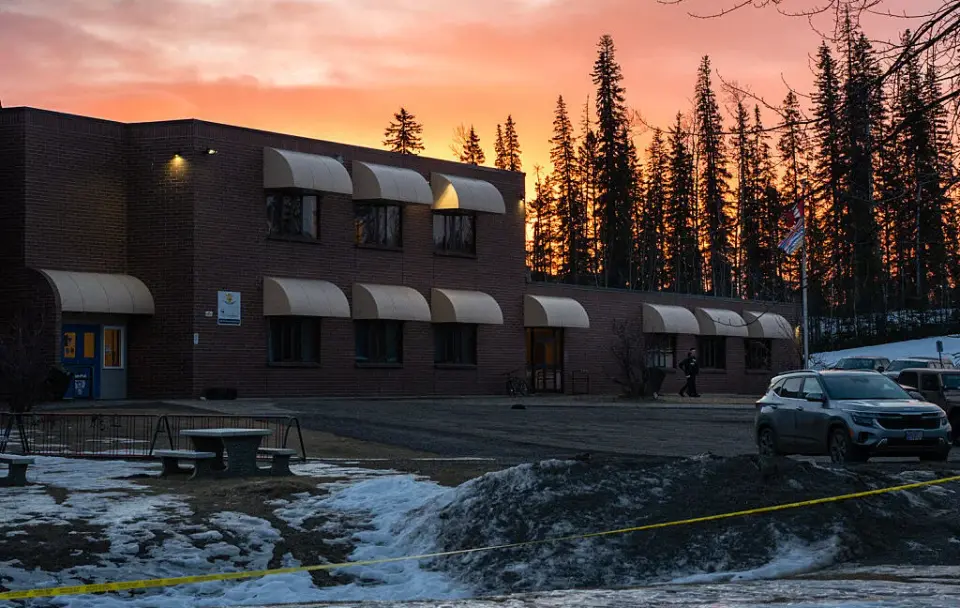
British Columbia has filed a federal lawsuit in California against OpenAI and CEO Sam Altman, demanding the company pay for the reconstruction of Tumbler Ridge Secondary School and other emergency response costs following the February 2026 mass shooting. The province alleges OpenAI failed to report the shooter, Jesse Van Rootselaar, to law enforcement after its safety team identified credible violent threats in June 2025. The complaint seeks injunctive relief to force OpenAI to release the shooter’s chat logs to the public and to modify ChatGPT’s safety protocols to automatically terminate violent conversations. While OpenAI has apologized and promised safety improvements, British Columbia argues these measures were insufficient and that the company prioritized its potential IPO over public safety. The lawsuit follows earlier actions by victim families and highlights the financial burden of the tragedy on the small mining community, which lacks redundant facilities for recovery.
Key points
- British Columbia filed a lawsuit in San Francisco federal court on Monday, September 21, 2026, naming OpenAI and Sam Altman as defendants.
- The province demands OpenAI cover the costs of demolishing and rebuilding Tumbler Ridge Secondary School, which was destroyed after the February 10, 2026, shooting.
- The complaint requests an immediate court order for OpenAI to release the shooter’s ChatGPT logs to the public, which have only been shared with the Royal Canadian Mounted Police.
- British Columbia alleges OpenAI overruled its safety team in June 2025, which had recommended reporting the shooter to police due to credible threats of gun violence.
- The lawsuit seeks injunctive relief requiring OpenAI to update ChatGPT to automatically terminate violent conversations and to conduct regular independent safety audits.
- The province argues OpenAI’s failure to report the shooter led to preventable deaths and forced the community to absorb extraordinary emergency costs, including temporary housing for workers and extensive mental health services.
Background
The Tumbler Ridge shooting occurred on February 10, 2026, when 18-year-old Jesse Van Rootselaar killed eight people, including five students and an education assistant, before dying by suicide. The incident followed a series of lawsuits by victim families in California, which alleged OpenAI failed to act on safety warnings. British Columbia’s lawsuit expands the legal challenge by focusing on the province’s financial burden and the need for systemic changes to AI safety protocols. The case follows earlier incidents, including a shooting at Florida State University, where OpenAI faced similar allegations of failing to report violent users.
How outlets are covering it
Ars Technica emphasizes the financial and emotional toll on Tumbler Ridge, highlighting the lack of redundant facilities and the need for long-term recovery. The outlet notes that British Columbia suspects OpenAI withheld chat logs to protect its potential IPO. The Guardian focuses on the legal strategy, noting that British Columbia chose California as the venue because the decision not to report occurred there, and highlights OpenAI’s previous apology and promises of reform. Le Monde underscores the international dimension, noting that OpenAI has moved to dismiss family lawsuits in Canada, arguing that damages would be smaller than in the US. All sources agree that OpenAI’s safety team had flagged the shooter but leadership overruled the recommendation, though they differ on the emphasis of the company’s motives, with Ars Technica suggesting financial gain and The Guardian focusing on procedural failures.
Why it matters
The lawsuit sets a precedent for holding AI companies accountable for real-world violence and highlights the need for transparent safety protocols. It also underscores the financial impact of AI-related incidents on communities, particularly small towns with limited resources for recovery. The case may influence future regulations on AI safety and the reporting of violent threats to law enforcement.
What to watch
OpenAI is expected to respond to the lawsuit, potentially arguing that its safety protocols were adequate and that the decision not to report was based on privacy concerns. British Columbia may seek further injunctive relief to force OpenAI to release chat logs and modify its safety protocols. The case may also influence other lawsuits against OpenAI and similar AI companies, potentially leading to broader regulatory changes in the US and Canada.
- Lawsuit demands OpenAI pay for new school after ChatGPT used in shooting Ars Technica
- British Columbia Sues OpenAI Over Tumbler Ridge Shooting The New York Times
- British Columbia sues OpenAI and Sam Altman over Tumbler Ridge mass school shooting theguardian.com
- British Columbia sues OpenAI in US court over Canada school shooting Le Monde.fr
- OpenAI sued by Canadian province over role in mass shooting Financial Times
Want the full story? Read the original reporting
Read on Ars Technica