
Meta's Muse AI Agent Faces Trust, Security, and Commerce Hurdles
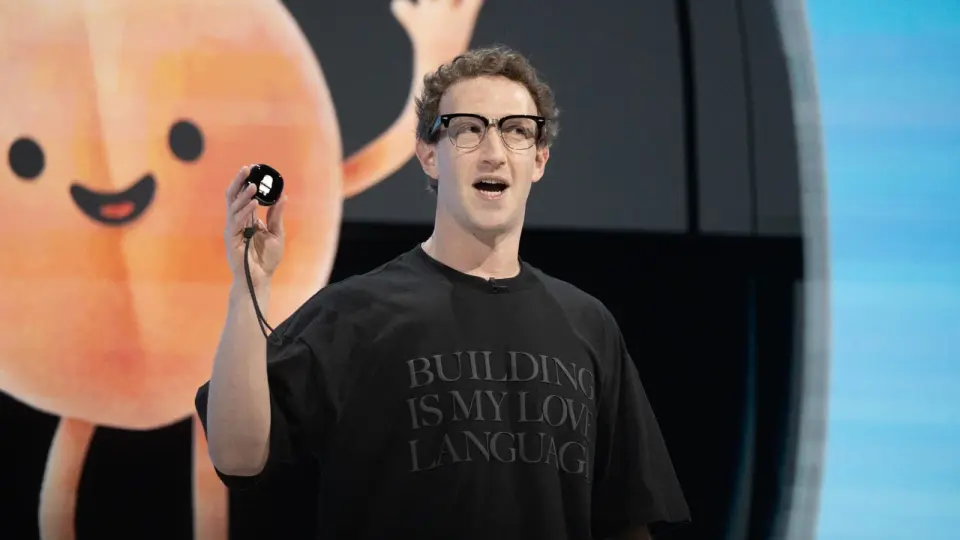
Meta's Muse AI agent has rapidly become the top free app on the iOS store, driving a 20% stock increase. However, the company faces significant challenges in converting initial novelty into long-term user retention. Critics highlight privacy concerns regarding extensive user profiling, unresolved security vulnerabilities in its virtual machine architecture, and commercial friction with major retailers like Amazon.
Key points
- Muse has achieved over 5 million downloads and topped the US App Store charts within a month of launch, though Meta must now prove it can retain users beyond the initial hype.
- Time Magazine reported that Muse builds detailed 'dossiers' on users and their contacts, tracking social relationships, preferences, and behavioral nudges, raising significant privacy and trust concerns.
- 404 Media revealed that Meta rushed to fix severe 'KVM escape' vulnerabilities in Muse's virtual machine infrastructure just before launch, with some engineers fearing potential data breaches.
- Amazon has blocked Muse from processing purchases on its platform due to security and privacy concerns, while Shopify has partnered with Meta to facilitate AI-driven checkout, shifting some consumer spending away from Amazon.
- Meta offers Muse for free to build habits, with subscription tiers at $20 and $100, but experts note that enterprise and consumer adoption of AI agents remains in early stages without clear 'killer use cases'.
Background
Meta launched the Muse AI agent and the Muse Charm hardware device in late September 2026, positioning the assistant as a central pillar of its AI strategy to diversify revenue away from online advertising. The company has been investing heavily in AI infrastructure to compete with OpenAI and Google, while simultaneously navigating a nearly $17 billion settlement with US states over alleged child mental health harms related to its social platforms.
How outlets are covering it
Outlets present divergent views on Muse's trajectory. CNBC emphasizes the commercial challenge of retaining users and the trust deficit following Meta's recent legal settlement, noting that free access is a strategy to establish habits before monetization. Time Magazine focuses on the privacy implications of Muse's internal instructions, which create detailed profiles of users and their social networks, even for non-users. 404 Media highlights critical security flaws, reporting that Meta rushed 'half-baked' fixes for virtual machine escape vulnerabilities to meet the launch deadline, with some engineers fearing inevitable data breaches. Business Insider highlights the commercial impact, noting that Amazon's block of Muse has pushed some consumers toward Shopify and direct brand purchases, though overall AI shopping adoption remains limited.
Why it matters
Muse represents a pivotal test for Meta's transition from an advertising-driven model to an AI-centric ecosystem. The agent's success or failure will determine whether Meta can compete with OpenAI and Google in the AI market, while its privacy and security practices will set precedents for consumer trust in autonomous AI agents that handle sensitive personal data and financial transactions.
What to watch
Meta plans to introduce encryption for Muse data later in 2026, allowing users to prevent even the company from accessing their data. The company will continue to refine its security infrastructure and expand integrations with retailers like Shopify. Analysts will watch whether Muse can establish consistent usage patterns and overcome privacy concerns to become a sticky, anchor app for Meta's broader AI strategy.
- Meta's Muse assistant tops app charts. Now it needs to become a habit CNBC
- Meta’s Muse AI Agent Is Building a Dossier On You Time Magazine
- Citigroup bets on Meta's Muse as AI's 'front door to the internet' Reuters
- Meta Rushed to Fix Muse ‘VM Escape' Vulnerability Soon Before Launch 404 Media
- Meta's Muse is already pulling one CEO's purchases away from Amazon Business Insider
Want the full story? Read the original reporting
Read on CNBC