
Portland abandons vacant commercial property fee after study finds it ineffective
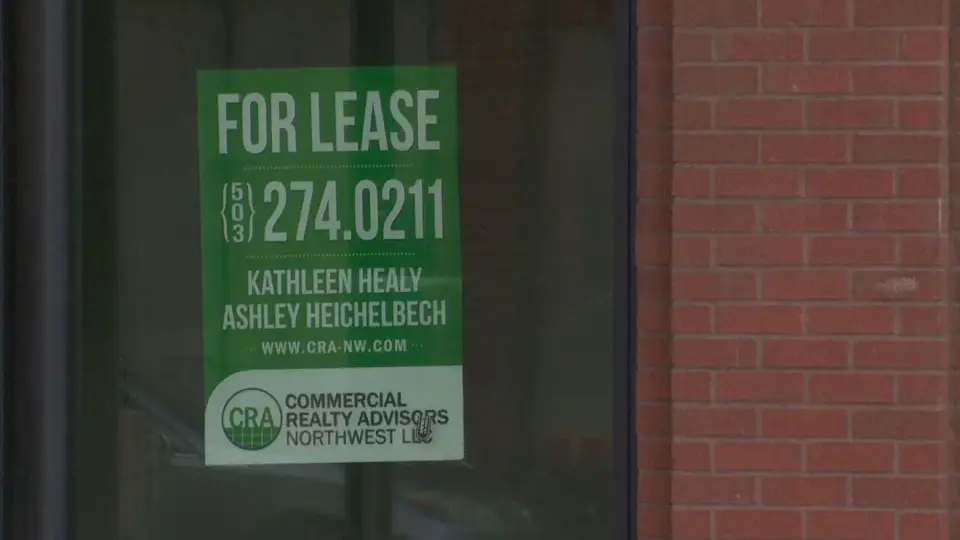
Portland City Council has dropped plans to impose a fee on owners of vacant commercial properties after a city-commissioned study concluded the measure would be costly, ineffective, and disproportionately harmful to small owners. The decision follows record-high vacancy rates in downtown office buildings, with data showing nearly 39% vacancy in the downtown core. While the fee is off the table, the study recommended cheaper permitting processes, easier use conversions, and targeted enforcement for nuisance properties as alternative solutions to address empty storefronts and offices.
Key points
- Portland City Council President Jamie Dunphy confirmed the vacancy fee proposal is no longer being pursued, citing a city study that found the fee would do little to reduce vacancy and could disproportionately affect small or local owners.
- Market data from Colliers showed Portland’s office buildings had a nearly 28% vacancy rate in the second quarter of 2026, with downtown vacancy reaching just under 39%.
- The city-commissioned study identified weak demand and costly build-out barriers as the primary drivers of vacancy, rather than owner behavior that a fee could address.
- Councilor Sameer Kanal, who originally proposed the study, has no plans to move forward with the fee, according to a spokesperson.
- The study recommended alternative measures, including making the permitting process cheaper and quicker, changing rules to facilitate easier conversion of empty spaces to different uses, and targeted enforcement for nuisance properties or elective vacancies.
Background
In May 2026, Council President Jamie Dunphy expressed concern over empty office and residential units, prompting the council to approve a study on whether charging owners of long-vacant commercial properties could help revitalize empty spaces. Property owners and business leaders had previously criticized the proposal, warning it sent the 'wrong message.' The current decision follows the release of the study's findings, which aligned with the council's internal research that a vacancy fee is not the appropriate tool for Portland's current vacancy problems.
Why it matters
The decision signals a shift in Portland's approach to addressing commercial vacancy, moving away from punitive financial measures toward regulatory and procedural reforms. By abandoning the fee, the city avoids potential legal challenges and economic burdens on small property owners, while focusing on solutions that directly address the root causes of vacancy, such as high build-out costs and weak demand. This move may influence how other cities with similar vacancy issues approach urban revitalization and commercial property management.
What to watch
The city is expected to focus on implementing the study's recommendations, including streamlining the permitting process, updating rules to allow easier conversion of vacant spaces to different uses, and increasing targeted enforcement for nuisance properties. Council President Jamie Dunphy indicated continued concern about vacant spaces detracting from Portland's recovery and commercial lease prices not falling despite high vacancy rates, suggesting ongoing monitoring and potential future policy adjustments.
Want the full story? Read the original reporting
Read on KATU