
Seattle Enacts First-in-Nation Ban on Algorithmic Grocery Price Discrimination
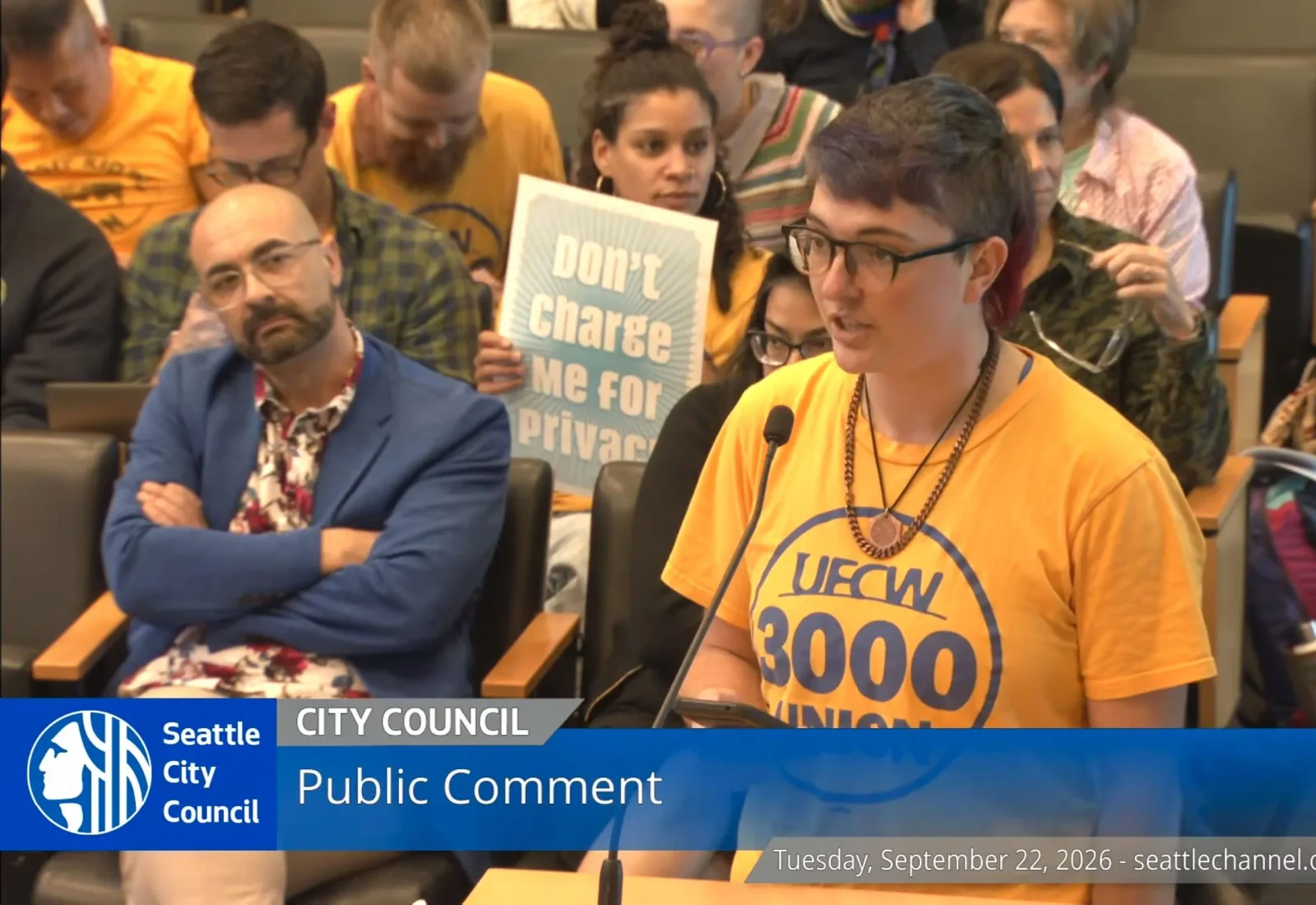
The Seattle City Council voted 7-2 to pass the Fair Pricing and Transparency Act, prohibiting large grocery chains and delivery apps from using personal data to set individual prices. The ordinance targets retailers with 20 or more global locations, aiming to prevent price gouging and discrimination while preserving universal discounts for groups like seniors and veterans. A Consumer Reports investigation cited in the debate found significant price variations for identical items on Instacart, with some shoppers paying up to 10% more. The measure includes a private right of action for consumers and requires annual impact reports, though it faces potential preemption by future state laws. Mayor Katie Wilson is expected to sign the bill, making Seattle the first U.S. city to ban such practices.
Key points
- The Seattle City Council approved the Fair Pricing and Transparency Act with a 7-2 vote, banning algorithmic price discrimination for essential goods.
- The ordinance applies to grocery chains with 20 or more locations worldwide and third-party delivery platforms, exempting smaller independent stores.
- A Consumer Reports investigation revealed that 39 shoppers ordering identical items from a Seattle Safeway via Instacart faced prices ranging from $114 to $124, with only 8% receiving the lowest price.
- The bill allows universal discounts for seniors, veterans, and students but prohibits personalized pricing based on personal data, browsing history, or income levels.
- Councilmember Bob Kettle sponsored amendments to weaken the bill, including allowing algorithmic discounts and reducing the statute of limitations for lawsuits, but most were rejected.
- The ordinance includes a private right of action for consumers and requires the city to publish an annual report on the impact of the ban by December 31.
Background
Seattle has been at the forefront of regulating data-driven pricing, with earlier discussions in September 2026 focusing on the potential ban of electronic shelf labels and surveillance pricing. Unions had previously warned that the rollout of electronic shelf labels could lead to job losses and increased grocery costs. The city's move follows similar legislative efforts in New York State, where a comparable measure passed the legislature but awaits the governor's signature. Portland and other jurisdictions are also considering similar restrictions, indicating a growing national trend against algorithmic price discrimination in essential goods.
How outlets are covering it
The Stranger and CHS Capitol Hill Seattle News emphasized the bill's role in preventing discrimination and price gouging, highlighting the Consumer Reports investigation that showed significant price variations for identical items. They noted the opposition from grocery lobbyists, who argued the ban would harm loyalty programs, and the efforts by Councilmember Bob Kettle to weaken the legislation. MyNorthwest.com featured KIRO hosts who supported the ban, arguing that personalized discounts are not worth the potential for overcharging and that the city should prioritize consumer protection. They also referenced a separate investigation into Kroger stores in Ohio, where shoppers were overcharged nearly three times as often as undercharged. KOMO News provided a more neutral overview, focusing on the technical aspects of the ban and its implications for large retailers. All sources agreed on the core facts of the vote and the ordinance's provisions but differed in their emphasis on the potential impacts on consumers and the grocery industry.
Why it matters
The passage of the Fair Pricing and Transparency Act marks a significant step in consumer protection and data privacy, setting a precedent for other cities and states to follow. By banning algorithmic price discrimination, Seattle aims to ensure that essential goods are priced fairly and transparently, preventing large retailers from exploiting personal data to charge different prices to different shoppers. The ordinance also provides consumers with a legal avenue to challenge unfair pricing practices, empowering them to hold retailers accountable. This move could influence national policy and inspire similar legislation in other jurisdictions, potentially reshaping the grocery industry's approach to pricing and data usage.
What to watch
Mayor Katie Wilson is expected to sign the Fair Pricing and Transparency Act, making it official. The city will begin implementing the ordinance, with the Department of Finance and Administrative Services overseeing rulemaking and the City Attorney investigating civil violations. The city will also publish an annual report on the impact of the ban by December 31, which could serve as a model for other jurisdictions considering similar measures. Grocery retailers and delivery apps will need to adjust their pricing strategies to comply with the new regulations, potentially leading to changes in how they use personal data and electronic shelf labels. The ordinance's success will depend on its enforcement and the ability of consumers to utilize the private right of action to challenge unfair pricing practices.
- Seattle Votes 7-2 to Restrict Algorithmic Grocery Pricing thestranger.com
- Seattle City Council bans grocery stores from using AI-based 'surveillance pricing' KING5.com
- 'Just give everyone the discount': KIRO hosts back Seattle's push to ban personalized grocery pricing MyNorthwest.com
- Seattle bans AI-driven personal data in grocery pricing KOMO
- Council notes: Algorithmic grocery pricing ban, call for Pride flag over Denny Blaine, Bruce Lee Way, Wilson ‘recall’ legal costs CHS Capitol Hill Seattle News
Want the full story? Read the original reporting
Read on thestranger.com