
Pennsylvania's Act 57 Forces Vape Shops to Close as State Enforces New Registry
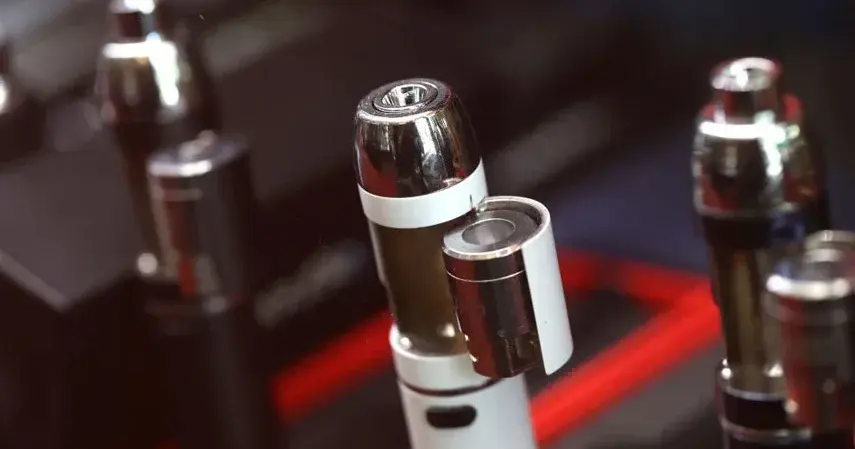
Pennsylvania's new vape law, Act 57, takes effect Monday, requiring all electronic nicotine delivery systems to be on a state registry. Unlisted products are now illegal to sell, forcing some businesses to close and raising concerns about enforcement and job losses.
Key points
- Act 57 mandates a state registry for all e-cigarettes and vapes; unlisted products cannot be sold.
- The law takes effect on Monday, October 19, 2026.
- Some vape shops, like Cool Vapes, are closing due to the inability to stock compliant inventory.
- Attorney General Dave Sunday states the goal is to protect children from unapproved products.
- Enforcement will involve local police, district attorneys, and the Pennsylvania State Police.
Background
This follows recent regulatory actions in Pennsylvania, including the October 14 ban on skill games, which also led to business closures and enforcement challenges. The state has been tightening regulations on products deemed harmful to youth.
How outlets are covering it
CBS News highlights the impact on small businesses, noting that Cool Vapes is closing after 12 years and that 95% of its inventory must be removed. Attorney General Dave Sunday emphasizes public health and child safety, stating that unapproved products are dangerous. WFMZ.com focuses on the broader regulatory environment for smoke shops as Act 57 enforcement begins, though it provides less detail on specific business closures compared to CBS News.
Why it matters
The law aims to reduce youth access to unregulated vaping products, but it may lead to significant economic impacts on small businesses and employees in the vaping industry. Enforcement will be a key factor in determining the law's effectiveness.
What to watch
The state will begin enforcing Act 57 on Monday, with collaborative efforts from local and state law enforcement to ensure compliance. Businesses will need to adjust their inventory to meet the new registry requirements or face penalties.
Want the full story? Read the original reporting
Read on CBS News