
Axios highlights the hidden geographic patterns of U.S. poverty
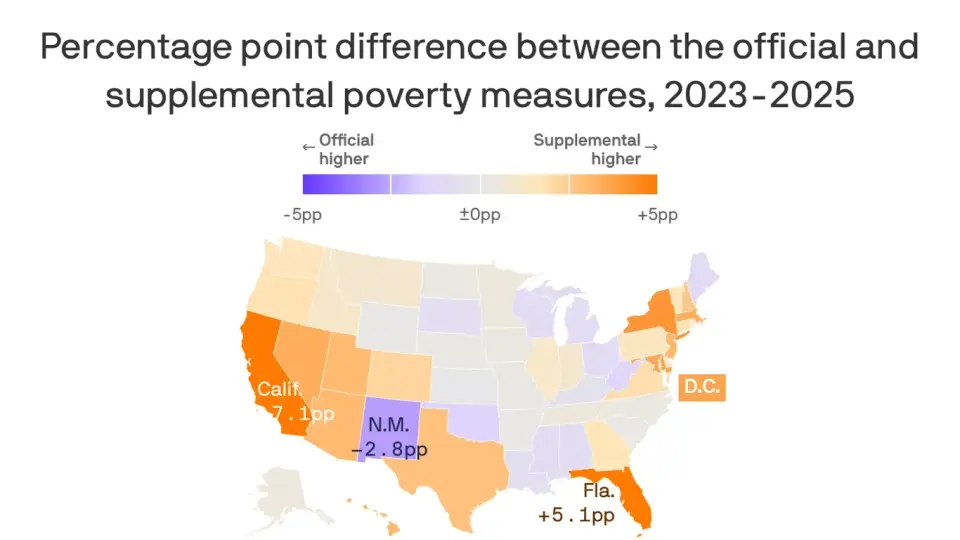
Axios reports on the overlooked geographic dimensions of American poverty, noting that the issue is not confined to specific regions but is a widespread structural challenge. The outlet emphasizes that poverty is a complex, multi-faceted problem that requires a nuanced understanding of its spatial distribution to address effectively. This perspective aligns with broader discussions on the structural mismatches in U.S. housing policy, where subsidized units remain vacant while low-income families face long waitlists.
Key points
- Axios identifies the geography of American poverty as a critical but often overlooked aspect of the issue.
- The outlet argues that poverty is not limited to specific areas but is a pervasive problem across the country.
- The report suggests that a deeper understanding of where poverty exists is necessary for effective policy solutions.
- This perspective connects to earlier findings on the structural mismatch in U.S. housing policy, where affordable units are empty while the poorest remain homeless.
Background
Previous coverage in September 2026 highlighted a structural mismatch in U.S. housing policy, where thousands of subsidized units remained vacant in major cities while extremely low-income families faced years-long waitlists for vouchers and lacked access to affordable homes. This context underscores the ongoing challenges in addressing poverty and housing insecurity in the United States.
Why it matters
Understanding the geographic distribution of poverty is crucial for designing targeted and effective policy interventions. By recognizing that poverty is not confined to specific regions, policymakers can better allocate resources and address the root causes of economic hardship across the country. This insight is particularly relevant in the context of housing policy, where structural mismatches have left many low-income families without access to affordable homes.
What to watch
Axios’s report suggests that future policy discussions should focus on a more nuanced understanding of the geographic patterns of poverty. This could lead to more targeted interventions and a better allocation of resources to address the root causes of economic hardship. Additionally, the report may prompt further investigation into the structural mismatches in U.S. housing policy, with a focus on ensuring that subsidized units are accessible to those in need.
Want the full story? Read the original reporting
Read on Axios