
SMUD defers data center policy vote amid fierce opposition to 300-megawatt Sacramento plan
The Sacramento Municipal Utility District (SMUD) deferred a vote on new data center regulations after public outcry, as it navigates a proposed 300-megawatt facility by Link Logistics in southeast Sacramento. While SMUD claims it must provide power to approved projects, local officials and residents demand a moratorium due to environmental and cost concerns.
Key points
- SMUD’s policy committee postponed a decision on principles for large-load customers, citing the need for revised proposals.
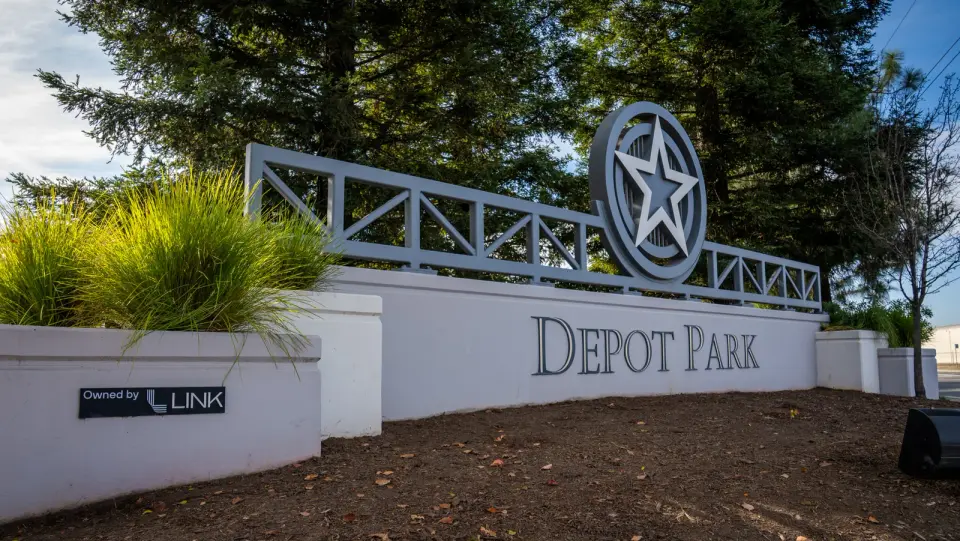
- Link Logistics, a Blackstone subsidiary, is planning a 300-megawatt data center at the former Depot Park military site, six times larger than SMUD’s initial 50-megawatt description.
- SMUD previously sought $122.7 million in federal funding for the project, calling Sacramento a 'premier destination' for AI compute, but the grant was denied.
- The Sacramento City Council is scheduled to hold a workshop in early 2027 to debate data center zoning and environmental impacts.
- SMUD projects that the project would double its revenue in the area from $168 million to $356 million by 2032.
Background
This development follows a broader national trend of local opposition to massive AI data centers, such as recent disputes in Texas and Virginia. In Sacramento, the issue has intensified as SMUD recently stepped back from its 2030 zero-carbon goal to maintain affordable rates, complicating the integration of high-energy consumers. The region currently hosts smaller data centers, but none exceed the 50-megawatt threshold that defines 'large-load' customers.
How outlets are covering it
SMUD officials, including spokesperson Gamaliel Ortiz, emphasize that the utility is legally obligated to provide power to any project approved by local jurisdictions and that large customers must bear their own costs. However, the Sacramento Bee reports that nearly 60 public commenters at the recent meeting rejected SMUD’s proposed principles, demanding a moratorium and higher rates for data centers. KCRA notes that residents, including those on fixed incomes, fear rate hikes despite SMUD’s assurances that existing customers will be protected. While SMUD frames the issue as a matter of regional economic development and grid capacity, local politicians like Mayor Kevin McCarty and Councilmember Eric Guerra oppose the projects, citing unresolved questions regarding water, air quality, and land use.
Why it matters
The outcome of these policy debates will determine whether the Sacramento region becomes a major hub for hyperscale AI infrastructure. The decision affects regional electricity rates, environmental sustainability, and the balance between commercial development and residential community needs. If approved, the 300-megawatt project would be the largest in the region, significantly altering the local power grid and potentially impacting the utility's ability to meet its clean energy targets.
What to watch
SMUD staff are expected to return with a revised set of principles for the policy committee, potentially in February 2027. The Sacramento City Council is also planning a workshop in early 2027 to discuss data center policies. Folsom is evaluating regulations for high-energy businesses as part of a 2027 zoning code update. Link Logistics has not responded to questions about the specific impacts of its proposed project.
- Sacramento pitched as ‘premier destination’ for data centers as 300-megawatt plans emerge Abridged – PBS KVIE
- Sacramento residents push back against data center growth as SMUD considers new protections KCRA
- SMUD defers data center policy move after residents call for stronger deterrents Sacramento Bee
- SMUD discusses 'large loads' as Sacramento data center debate grows ABC10
- Sacramento utility leaders decry data centers, call for stronger protections Abridged – PBS KVIE
Want the full story? Read the original reporting
Read on Abridged – PBS KVIE