
AI Debt Fears Trigger Historic Market Divergence
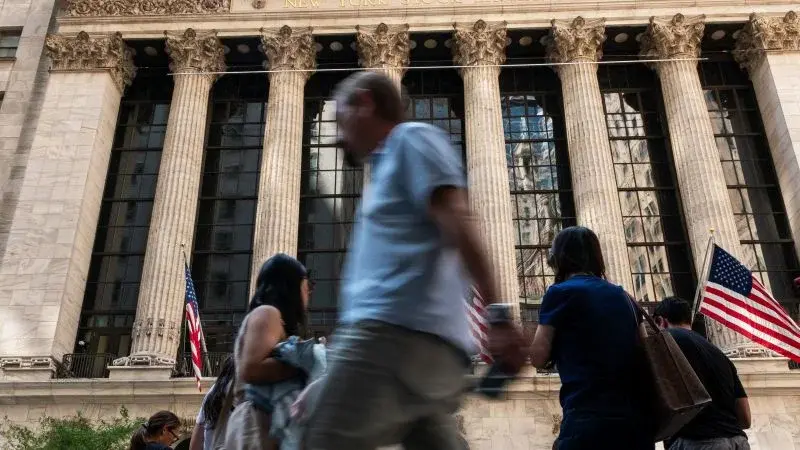
U.S. markets are experiencing extreme divergence as investors rotate out of AI-heavy tech stocks into bonds and non-tech equities. This shift follows rising concerns about the sustainability of AI infrastructure debt, exemplified by CoreWeave’s high borrowing costs and Meta’s cash burn. While headline indices remain near record highs, the equal-weighted S&P 500 is gaining while the market-cap-weighted index falls, a rare occurrence driven by fears that AI spending may not be sustainable.
Key points
- On October 22, the S&P 500 fell 1.2% while the equal-weighted index rose 0.5%, a divergence seen only twice since 1995.
- The 10-year Treasury yield dropped below 5%, marking its largest single-day decline since the March 2023 banking crisis.
- CoreWeave’s borrowing costs reached 15%, exceeding its return on investment, raising concerns about AI debt sustainability.
- Meta reported spending $2 billion more cash than it generated in Q3, causing its stock to drop 7%.
- The PHLX Semiconductor Index fell over 6%, entering bear-market territory after a 26% decline from its June peak.
Background
This volatility follows a four-year bull market heavily driven by AI optimism. Previous concerns included regulatory debates and global capital flows, but current anxiety centers on the financial health of AI infrastructure providers. The market has previously seen similar rotations, but the current scale of divergence is unprecedented in recent decades.
How outlets are covering it
CNN emphasizes the 'weird' divergence between market-cap and equal-weighted indices, linking it to AI debt fears. Yahoo Finance highlights the 'seesaw' effect, with AI stocks falling while non-tech stocks rise, noting record divergence since 1996. Axios points out that strong earnings from AI-related companies are being ignored, suggesting a loss of 'pixie dust' appeal. NPR focuses on broader economic uncertainty, including Iran-related inflation and rising interest rates, framing AI as a key risk factor for market sustainability.
Why it matters
The divergence signals a potential shift in market leadership, with investors seeking safety in bonds and non-tech stocks. If AI debt levels prove unsustainable, it could trigger a broader market correction, impacting the U.S. economic boom. The current volatility may indicate a transition from a 'rolling recession' to a more synchronized downturn, depending on how AI spending evolves.
What to watch
Investors will monitor AI company earnings and debt levels for signs of sustainability. The Federal Reserve’s interest rate decisions and Iran-related inflation trends will also influence market direction. If AI spending continues to outpace returns, further rotations into bonds and non-tech stocks may occur, potentially leading to a broader market correction.
- The markets are starting to act seriously weird. Blame AI CNN
- The U.S. stock market is fracturing into two camps, and it’s leaving investors with a brutal case of whiplash Yahoo Finance
- AI pixie dust is losing its stock market power Axios
- AI panic and market volatility: Are the stock market’s big gains unsustainable? NPR
- Was that a stock market wobble, or the start of something more serious? The Irish Times
Want the full story? Read the original reporting
Read on CNN