
Bond Yields Hit 19-Year High as Oil Surges Past $107 Amid US-Iran Standoff
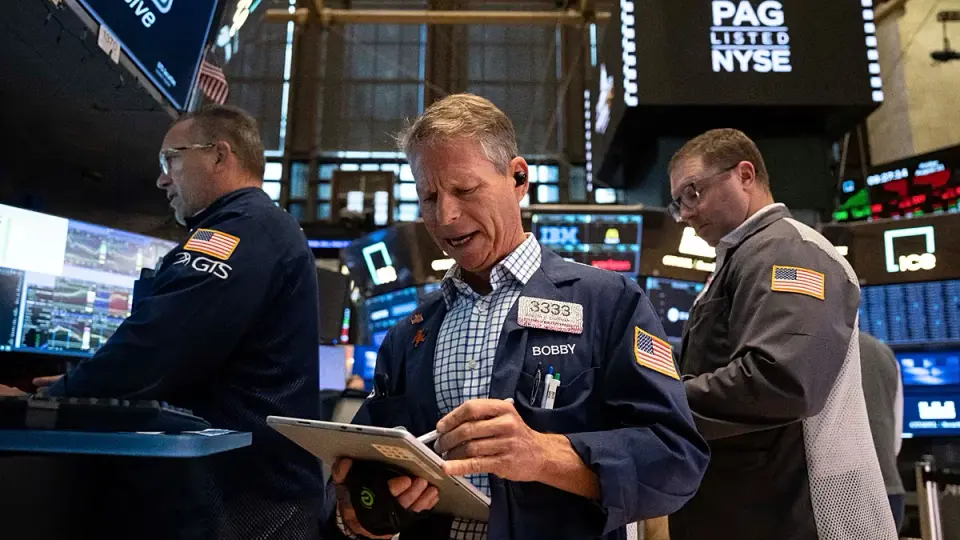
Global financial markets faced a sharp correction on September 29, 2026, as Brent crude oil prices climbed above $107 per barrel. The surge was driven by stalled negotiations between the United States and Iran regarding the reopening of the Strait of Hormuz. Consequently, the US 10-year Treasury yield rose above 5.27%, its highest level in 19 years, triggering a broad sell-off in government bonds. This spike in borrowing costs pressured equity markets, with Wall Street indexes falling and Asian markets declining, while European stocks showed mixed reactions. The Federal Reserve is now expected to raise interest rates again in October to combat renewed inflation fears.
Key points
- Brent crude oil prices rose nearly 2% to exceed $107 per barrel, up from approximately $72 in late February 2026, due to uncertainty over US-Iran peace talks.
- The US 10-year Treasury yield surpassed 5.27%, marking a 19-year high, while the 2-year yield climbed to nearly 5%, reflecting the heaviest bond sell-off in two years.
- President Donald Trump rejected a seven-day truce proposal from Iran, causing hopes for a quick resolution to the conflict and reopening of the Strait of Hormuz to fade.
- Stock markets reacted negatively, with all three major US indexes falling on Monday and Asian markets, including Japan’s Nikkei 225, dropping by up to 1.3%.
- Australia’s central bank raised its key interest rate by 0.25 percentage points to 4.6%, a 15-year high, citing rising fuel costs and stronger-than-expected inflation.
Background
This development follows a series of market disruptions in 2026 linked to the ongoing US-Iran conflict. In August, oil prices surged above $90, triggering a global bond selloff and pushing yields to multi-year highs. By September 11, the 30-year Treasury yield had reached 5.38%, and markets were pricing in a high probability of Federal Reserve rate hikes. The current escalation represents a continuation of this trend, with oil prices now exceeding $100, intensifying inflationary pressures and forcing central banks to adopt more aggressive monetary policies.
How outlets are covering it
Euronews and The New York Times both emphasize the immediate impact of the US-Iran impasse on oil prices and bond yields, highlighting the rejection of the truce as a key catalyst. The Conversation provides a broader analysis, noting that while oil prices have risen from $65 to over $100, the global market has exhausted many safety measures to curb price spikes. It points to additional supply constraints, such as attacks on Saudi Arabia’s East-West pipeline and Russian diesel export bans, which could lead to further price hikes or shortages. While Euronews focuses on the immediate market reaction, The Conversation warns of potential long-term supply issues and the limited policy options available to governments.
Why it matters
The surge in oil prices and bond yields has significant implications for global economic stability. Higher borrowing costs will affect mortgages, business loans, and consumer credit, potentially slowing economic growth. Renewed inflation fears may force central banks to raise interest rates further, which could exacerbate economic slowdowns. Additionally, the uncertainty surrounding the US-Iran conflict and the Strait of Hormuz could lead to further disruptions in global trade and energy supplies, impacting industries and consumers worldwide.
What to watch
Investors are awaiting key US inflation and jobs data this week, which could influence the Federal Reserve’s decision on interest rates. Markets are currently pricing in another rate hike at the end of October. The outcome of US-Iran negotiations will be crucial in determining whether oil prices continue to rise or stabilize. If the Strait of Hormuz remains closed, oil prices could surge further, potentially leading to shortages and more severe inflationary pressures. Central banks may need to adopt more aggressive monetary policies to combat rising inflation, which could have significant implications for global economic growth.
- Oil prices rise as bond sell-off hits global markets Euronews.com
- Oil falls as investors focus on Middle East supply Reuters
- Oil Falls as Gulf Crude Exports Picture Brightens WSJ
- Why fuel prices may go higher still theconversation.com
- Oil Prices Climb on Continued Impasse in U.S.-Iran Talks The New York Times
Want the full story? Read the original reporting
Read on Euronews.com