
Citadel offloads 80% of Situational Awareness assets in $4bn block trades
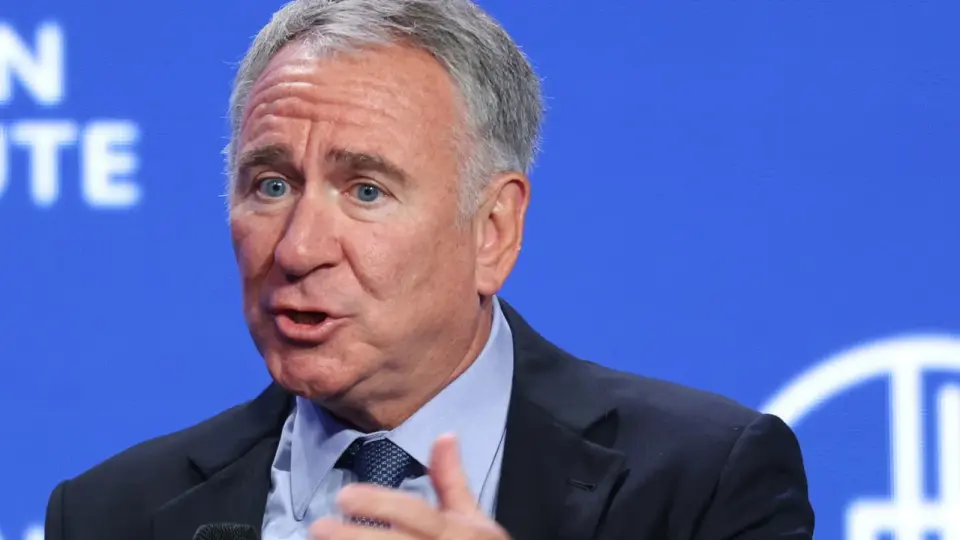
Ken Griffin disclosed that Citadel has unwound over 80% of the risk from the portfolio acquired from Leopold Aschenbrenner’s Situational Awareness. Griffin’s client letter detailed more than 100 block trades totaling over $4 billion in market value to exit the positions. The firm’s flagship Wellington fund returned 5.94% in July, its best monthly performance since 2022, following the acquisition of the distressed assets.
Key points
- Citadel executed over 100 block trades worth more than $4 billion to reduce exposure from the Situational Awareness portfolio.
- Griffin confirmed the Wellington fund’s 5.94% July return, marking its strongest monthly performance since 2022.
- The acquisition began on July 29, following Situational Awareness’s forced liquidation of public stock positions due to steep losses.
- Griffin credited bank trading and prime brokerage teams for facilitating the rapid transfer of the large-scale portfolio.
Background
In late July 2026, Situational Awareness, a hedge fund founded by 25-year-old Leopold Aschenbrenner, suffered a 67% loss in a single month after its concentrated AI bets reversed. The fund had gained 439% in the first half of the year but faced margin calls and compulsory sales as AI stocks like SanDisk and Bloom Energy fell over 50%. Citadel stepped in to purchase the public equity book at a discount, a move that helped stem a broader AI-stock selloff and boosted Wellington’s performance.
How outlets are covering it
CNBC and the Financial Times both reported on Griffin’s client letter, emphasizing the scale of the block trades and the cooperation required from prime brokers. The Financial Times highlighted Griffin’s statement that Citadel prides itself on being 'front-footed' during market dislocations. Investing.com UK noted that Situational Awareness retained private investments, such as a stake in Anthropic, rather than shutting down entirely. Crypto Briefing focused on the timeline, noting that Citadel entered discussions on July 29, one day before the forced liquidation was reported. All sources agree on the 80% risk reduction and the $4 billion trade volume, but differ in emphasis: CNBC and FT focus on the operational mechanics, while Investing.com highlights the fund’s survival through private holdings.
Why it matters
The rapid unwinding of a $4 billion portfolio by Citadel demonstrates the liquidity and operational capacity of top-tier hedge funds during market stress. Griffin’s ability to acquire and offload distressed assets at a discount contributed to a 5.94% return for Wellington, outperforming rivals. This transaction also marked a bottom for the AI-stock selloff that began in June, suggesting Citadel’s intervention helped stabilize the broader market. The event underscores the risks of concentrated, leveraged bets in AI and the role of large firms in absorbing distressed assets during dislocations.
What to watch
Investors will monitor whether Citadel retains any residual risk from the Situational Awareness portfolio or fully exits the positions. The performance of the AI trade in the coming months will determine whether the July liquidation was a true bottom or a temporary pause. Analysts will also watch for any further disclosures from Griffin regarding the private investments retained by Situational Awareness, such as the Anthropic stake, and whether Citadel’s tactical and equities funds maintain their strong 2026 performance.
- Ken Griffin says Citadel unwound more than 80% of risk tied to Situational Awareness portfolio CNBC
- Citadel offloads 80% of portfolio scooped up from Situational Awareness Financial Times
- Citadel shed more than 80% of aggregate risk from Situational Awareness portfolio - CNBC (AIQ:NASDAQ) Seeking Alpha
- Citadel acquires $4B in assets from Situational Awareness hedge fund Crypto Briefing
- Citadel unwinds 80% of Aschenbrenner’s portfolio risk - report By Investing.com Investing.com UK
Want the full story? Read the original reporting
Read on CNBC