The US Federal Reserve and Bank of England are investigating how global banks manage exposure to large trading firms following a $15 billion loss at Jane Street, triggered by the collapse of AI hedge fund Situational Awareness.
Hedge fund Situational Awareness, led by AI researcher Leopold Aschenbrenner, has re-entered public markets via options in AMD, Bloom Energy, CoreWeave, SK Hynix, SanDisk and the Roundhill Memory ETF, after assets collapsed from over $45B to about $10B in July. It’s unclear whether new money is coming in or if the activity uses remaining capital, and private stakes like Anthropic remain amid the AI-driven stock rout and a fire-sale unwind to Citadel.
Leopold Aschenbrenner’s Situational Awareness has been buying new option positions in AMD, Bloom Energy, CoreWeave, SK Hynix, and Sandisk, plus the Roundhill Memory ETF, signaling a comeback bet after a summer when the fund almost failed from AI-stock leverage and margin calls that forced asset sales to Citadel. The 13F showed Sandisk and Micron as large disclosed holdings, and regulators including the SEC have subpoenaed major banks over dealings with the fund, though no wrongdoing is alleged. The firm remains active, including a $400 million private investment after the near-collapse.
JPMorgan Chase cut off lending to Leopold Aschenbrenner’s AI-focused hedge fund Situational Awareness after its historic losses, pushing the firm to work with Clear Street for financing while rebuilding a technology-heavy portfolio with less leverage and after previously offloading most public positions to Citadel to avert collapse.
The SEC has subpoenaed several major Wall Street lenders to learn more about AI-focused hedge fund Situational Awareness, seeking details on its trades, use of leverage and lender communications after the fund unwound heavily levered public equity bets in July; Citadel reportedly bought much of the risk, and regulators emphasize that inquiries can occur without implying wrongdoing or enforcement action.
Citadel sold more than 80% of the portfolio it took on from Situational Awareness, completing about 100 block trades totaling $4bn in recent weeks to unwind positions after a tech AI sell-off; the firm says it has been proactive during periods of market dislocation, and its flagship fund was up about 6% in July.
Citadel says it has unwound more than 80% of the risk from the Situational Awareness portfolio after purchasing assets from Leopold Aschenbrenner’s hedge fund, executing over 100 block trades totaling more than $4 billion. The Wellington multi-strategy fund rose 5.94% in July, its best month since 2022, as the AI‑driven positions that had pressured stocks like SanDisk and Bloom Energy began to rebound following the asset transfer.
Jane Street disclosed about a $15 billion July loss linked to the meltdown at AI-focused hedge fund Situational Awareness, revealed as it refinanced roughly $11 billion of public debt with private lenders including Pimco. The hit, though offset by previously strong trading results, will count toward the third quarter and underscores the risk of AI-driven trades that can ripple through investors and counterparties.
Leopold Aschenbrenner, 25, ran the AI-focused hedge fund Situational Awareness with up to 400% leverage on bets in Nebius, SanDisk, CoreWeave and SK Hynix, triggering margin calls that wiped out about $35 billion of investors’ money in days. Remarkably, within two weeks Silicon Valley insiders moved to back him again, though the fund is not taking new money for now. He redeployed roughly $500 million into private AI ventures and still holds private stakes like Anthropic, reinforcing a conviction-based comeback story and reigniting debate over mixing venture-style bets with margin.
Despite a 67% one-month plunge that shrank Situational Awareness to about $10B in assets, Leopold Aschenbrenner’s AI-focused hedge fund still enjoys support from major prime brokers, including JPMorgan, Goldman Sachs, Bank of America and Citigroup, aided by a $5B private stake in Anthropic and lock-ups; Morgan Stanley plans to onboard, signaling ongoing backing amid reputational risk.
Citadel’s Wellington multistrategy fund rose 5.9% in July—the best month since 2022—lifting 2026 gains to about 12% as the firm benefited from a market rebound and acquired much of the former Situational Awareness public stock portfolio at a discount after its collapse; its tactical fund jumped 11.1% in July (up 27% YTD) and the equities fund gained 14.2% (up 27% YTD), with both posting their best months ever, while Citadel managed about $71 billion in assets as of July 1 and declined to comment.
Citadel’s Wellington fund rose about 5.9% in July after purchasing billions of AI-related stocks from Leopold Aschenbrenner’s troubled Situational Awareness in a rapid, less-than-24-hour sale, at roughly a 10% discount. The deal leaves Wellington up about 12% this year as AI equities wobble, and analysts say the purchase helped stem a broader AI-stock selloff while boosting some of Aschenbrenner’s former holdings like Bloom Energy and SanDisk.
Twenty-four-year-old Leopold Aschenbrenner, founder of the AI-focused hedge fund Situational Awareness, watched his $45 billion portfolio unravel after aggressive AI bets, including a large private stake in Anthropic; he reportedly sold billions of holdings to Citadel’s Ken Griffin to stem losses, yet the firm still oversees more than $10 billion. A former FTX/OpenAI associate turned crypto-fast celebrity, Aschenbrenner has attracted major investors and media attention as he prepares for a Carmel-by-the-Sea wedding with Avital Balwit, while vowing better risk management going forward.
Leopold Aschenbrenner’s AI-focused hedge fund Situational Awareness suffered a 67% drawdown in July as AI stocks slumped. To protect investors, the fund sold part of its public book, removed leverage, and now runs a fully paid-for public portfolio while keeping private positions. The fund, which had swelled to about $45B before the drop, is still up roughly 80% for the year and remains invested in Anthropic. Aschenbrenner promises to learn from the episode, implement risk and portfolio-management changes, and is available for 1:1 investor calls next week.
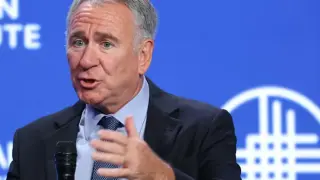
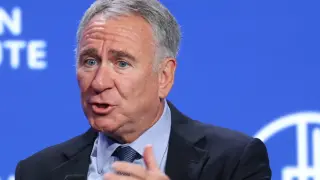
When rivals faced catastrophic AI-stock losses, Citadel founder Ken Griffin stepped in to salvage California hedge fund Situational Awareness after its July portfolio fell 67% and the firm unwound most of its $16 billion public-equities book. Griffin and his team reviewed positions overnight and ended up purchasing a chunk of the book, continuing Citadel’s pattern of stepping in during market stress.