
Gold Rebounds to $4,125 as Investors Weigh Jobs Data and Election Shifts
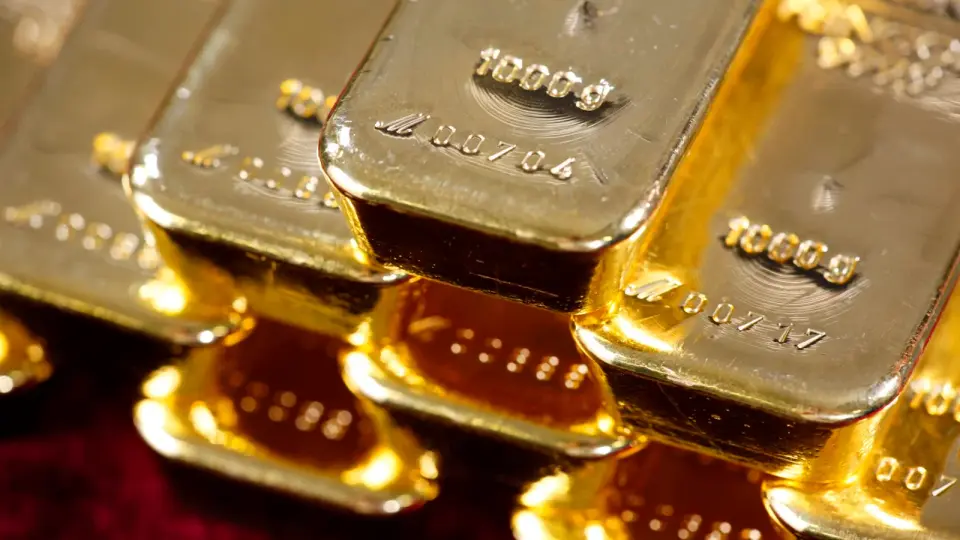
Gold spot prices rose to $4,125.38 per ounce on November 9, 2026, recovering from a dip caused by strong US employment data. While a stronger dollar and rising treasury yields initially pressured the metal, political shifts and inflation concerns have driven renewed interest in gold as a safe-haven asset. Investors are increasingly looking to physical bullion, IRAs, and ETFs to diversify portfolios amid economic uncertainty.
Key points
- Gold traded at $4,125.38 per ounce on Nov. 9, up from $4,045.35 on Nov. 6.
- US employers added 165,000 jobs in October, and unemployment fell to 4.1%, initially pressuring gold prices.
- A stronger US dollar and rising treasury yields made gold less attractive to overseas buyers in early November.
- Gold reached a high of $4,146.63 on Nov. 5, its highest level since October 20, following midterm election results.
- Experts note a 93% correlation between current gold trends and the 1976-1980 bull market, suggesting potential for further gains.
Background
Recent market volatility has been influenced by the US midterm elections, where Democrats gained control of both the Senate and House. This political shift, combined with inflation concerns, has prompted investors to seek safe-haven assets. Gold has historically performed well during periods of economic turmoil and market downswings, serving as a reliable store of value and hedge against inflation. While gold does not generate dividends or interest, its price stability during market downturns makes it a popular choice for portfolio diversification. The current price trajectory is being compared to historical bull markets, particularly the 1976-1980 period, which saw significant gold price increases despite rising interest rates.
How outlets are covering it
CNBC emphasizes the practical avenues for investing in gold, highlighting physical bullion, gold IRAs, and ETFs as primary methods for retail investors. They note that while gold lacks income generation, its role as a safe-haven asset is crucial during economic uncertainty. Investing News Network focuses on the macroeconomic drivers, pointing to the October jobs report and the subsequent rise in treasury yields as factors that initially suppressed gold prices. However, they highlight the resilience of gold following the midterm elections, with analysts like Jeff Clark noting a strong historical correlation with past bull markets. Clark argues that rising interest rates do not always lead to lower gold prices, citing recent cycles where gold advanced despite monetary tightening. Havasu News provides minimal substantive analysis, primarily focusing on subscription and account management features, offering no unique perspective on the gold market dynamics.
Why it matters
Gold’s price movements reflect broader economic and political uncertainties, making it a critical indicator for investors seeking stability. The recent rebound to $4,125.38 per ounce suggests that despite strong job growth and rising yields, investors remain cautious about inflation and political shifts. Understanding these dynamics helps investors make informed decisions about diversifying their portfolios through physical gold, IRAs, or ETFs. Additionally, the comparison to historical bull markets underscores the potential for long-term gains, even in the face of short-term volatility. As the US dollar strengthens and treasury yields rise, gold’s role as a hedge against economic turmoil becomes increasingly relevant for both individual and institutional investors.
What to watch
Investors should monitor the impact of the October jobs report on future Federal Reserve interest rate decisions, as higher rates for longer could continue to pressure gold prices in the short term. However, the strong correlation with the 1976-1980 bull market suggests that gold may recover and potentially exceed current levels if the current trend persists. Analysts recommend focusing on junior mining companies’ exploration results and drill grades, as these indicators may provide better long-term value than spot price fluctuations. Additionally, investors should consider the costs associated with gold IRAs, including setup and storage fees, when evaluating their investment strategies. As the market navigates post-election political shifts and inflation concerns, gold’s position as a safe-haven asset will likely remain central to portfolio diversification efforts.
- The Price Of Gold Today, Nov. 9, 2026 — And The Best Places To Buy CNBC
- Current price of gold as of November 9, 2026 Fortune
- XAU/USD price outlook: Gold faces rejection at 0.786 Arc – Awaiting directional confirmation FXStreet
- Gold Slips as Strong Dollar, Yields Surge Post-Jobs Data Investing News Network
- Gold & Silver: Metal prices for Nov. 9 Havasu News
Want the full story? Read the original reporting
Read on CNBC