
Nvidia board reinstates Jensen Huang after Trump assures no national security risk
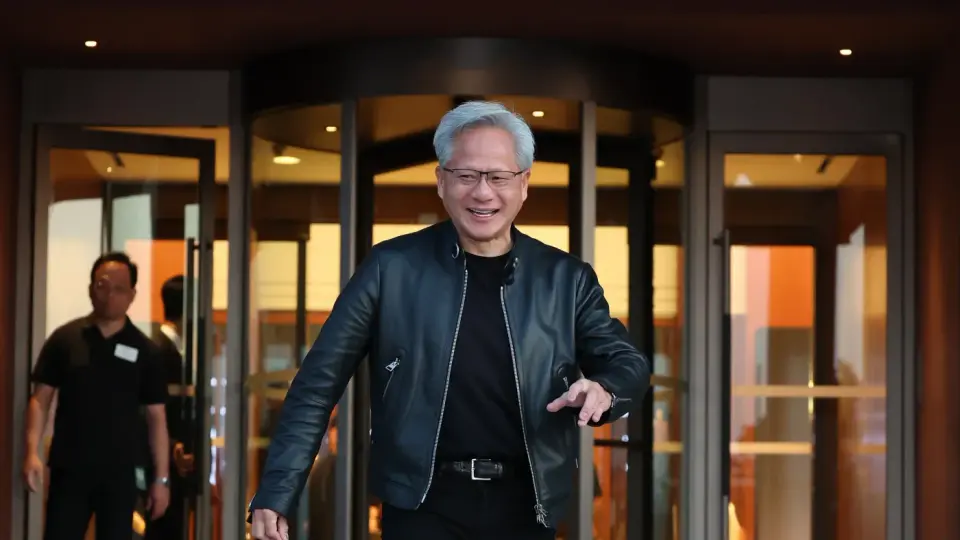
Nvidia’s board unanimously reinstated co-founder Jensen Huang as CEO on November 23, 2026, reversing his resignation from two weeks prior. The decision followed assurances from the Trump administration that Huang posed no national security threat, despite ongoing investigations into his alleged affair with a suspected Chinese intelligence asset and a company executive. While investors welcomed the move, critics argue the reinstatement sets a dangerous precedent for corporate governance and ignores power dynamics in workplace relationships.
Key points
- Nvidia’s board voted unanimously to reinstate Jensen Huang as President, CEO, and board member effective immediately on November 23, 2026.
- President Trump told CNBC he convinced the board to reinstate Huang after senior administration officials assured them Huang had not violated national security laws.
- Huang resigned on November 12 after reports of an affair with Alice Huang, a former Megaspeed executive suspected of being a Chinese spy, and a separate relationship with Nvidia VP Kimberly Powell.
- Nvidia’s stock had fallen nearly 49% from its October peak before rebounding significantly following the reinstatement announcement.
- The board formed a National Security and Export Control Committee and is searching for a new Chief Compliance Officer, while an independent investigation into foreign intelligence efforts continues.
Background
Huang’s initial resignation followed a New York Times report revealing his affair with a woman the U.S. government believes is a Chinese intelligence asset. Prior to his return, interim CEO Colette Kress faced criticism from investors and employees for her leadership, while Congress moved to interview Huang over chip export controls. The reinstatement follows a period of intense political pressure, including a public campaign supported by Elon Musk and President Trump.
How outlets are covering it
NPR and CNN emphasize the ethical and cultural implications, arguing the reinstatement signals that success excuses misconduct and undermines workplace power dynamics. CNBC focuses on the political mechanics, detailing how Trump’s personal assurances to the board accelerated the decision. Nvidia’s official statement frames the move as a business necessity for shareholders, noting that the board received input from senior U.S. government officials confirming no national security risk. Critics like Freada Kapor Klein and Bo Young Lee argue the decision reinforces a 'tech bro' culture that ignores diversity and inclusion, while governance experts warn it creates a 'moral hazard' by excusing reckless behavior in 'too big to fail' leaders.
Why it matters
The reinstatement highlights the tension between corporate governance, national security interests, and market stability in the AI industry. It suggests that for critical technology firms, political and economic leverage may override traditional ethical standards, potentially influencing how other tech companies handle executive misconduct and regulatory scrutiny.
What to watch
Nvidia will continue cooperating with ongoing government investigations, including a joint probe by the Department of Justice and Commerce Department into Megaspeed. The company is also searching for a new Chief Compliance Officer and will maintain its National Security and Export Control Committee. Investors will monitor Nvidia’s stock performance and leadership stability as Huang resumes his role.
- For workplace culture champions, Jensen Huang's return is 'unfathomable' NPR
- Trump sealed deal for Nvidia to rehire Jensen Huang as CEO CNBC
- Jensen Huang is a walking moral hazard CNN
- NVIDIA Board Reinstates Jensen Huang as President, CEO and Board Director NVIDIA Newsroom
- A Shameless Valley The Atlantic
Want the full story? Read the original reporting
Read on NPR